Oklahoma Real Estate Articles, Case Studies, and Land Guides
How to navigate real estate without getting burned.
Real Estate Case Studies
-
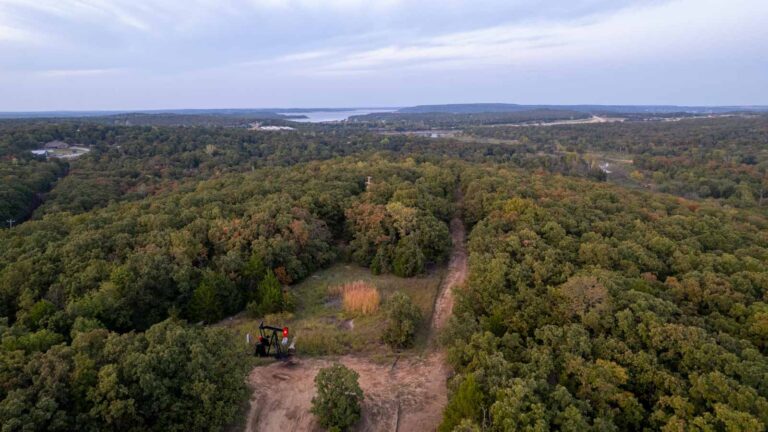
Sand Springs 40 Case Study: Turning Fully Wooded Tulsa County Land Into Rural Homesite Tracts
Sand Springs 40 Case Study: Turning Fully Wooded Tulsa County Land Into Rural Homesite Tracts Not every land deal starts with a perfect layout. Some properties have awkward pieces, utility questions, county split limits, neighbor issues, and parts of the land that are harder to explain to buyers. That does not automatically make the deal…
-
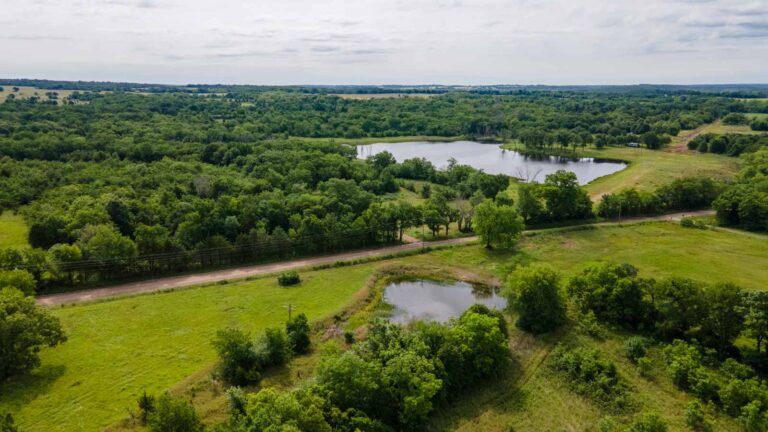
Okemah 40 Case Study: Splitting 40 Acres in Okfuskee County Into Smaller Land Tracts
Okemah 40 Case Study: Splitting 40 Acres in Okfuskee County Into Smaller Rural Land Tracts Some land deals are not complicated because of massive improvements, rezoning, construction, or heavy dirt work. Sometimes the opportunity is simpler than that. Sometimes the value is sitting in the way the land is positioned, how it can be divided,…
-
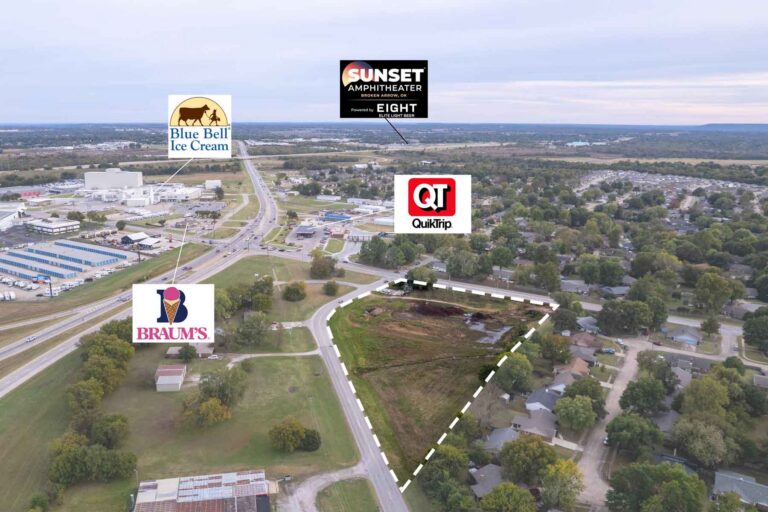
3000 E Houston St 4.8 Acres For Sale BA
For Sale · Broken Arrow, Oklahoma 3000 E Houston Street 4.8± acres with multiple road frontages near Highway 51. $1,200,000 Commercial development opportunity near Blue Bell, QuikTrip, and Braum’s. Property listed by Corbett Campbell · OUR OK Realty Request Property Information Call 918 810 9639 $1,200,000 Asking price · Entire tract 4.8± Acres Approximate land…
Oklahoma Real Estate Articles, Case Studies, and Helpful Info
The posts above are written to help people make better decisions when buying, selling, studying, or improving real estate in Oklahoma. Some articles are practical guides. Some are real land case studies. Others explain common questions that come up when buyers and sellers are trying to understand a property before making a move.
The main focus here is Oklahoma land and real estate, especially vacant land, rural acreage, farm and ranch property, recreational land, development land, commercial land, and properties around Broken Arrow, Tulsa, and northeast Oklahoma.
Land is not always complicated, but it is easy to misunderstand. A property can look simple online and still have important questions about access, utilities, easements, floodplain, buildability, road frontage, zoning, terrain, or buyer demand. Another property can look rough at first but still have strong potential if the layout, location, access, and market position make sense.
That is why these articles are written from real Oklahoma property experience, not generic national advice. I spend a lot of time walking land, looking at access, reviewing utility options, studying how acreage lays out, marketing rural property, and helping buyers and sellers figure out what actually matters before they make a decision.
Start With the Main Oklahoma Land Guides
If you are new to buying or selling land, the best place to start is with the main buyer and seller guides.
The Buying Land in Oklahoma Guide is built for buyers who want to understand what to look for before making an offer on acreage. It covers the kinds of questions that matter early, including legal access, physical access, utilities, intended use, financing, inspections, buildability, and whether the property actually works for what the buyer wants to do.
The Selling Land in Oklahoma Guide is built for landowners who are thinking about selling and want to understand what makes land easier or harder to market. Selling land is different from selling a regular house. The buyer cannot always see the full value from a quick showing or a few photos. The property has to be explained clearly, photographed well, priced correctly, and positioned for the right buyer pool.
Those two guides are the foundation. The rest of the articles and case studies go deeper into specific land situations, buyer questions, seller decisions, and real examples from Oklahoma properties.
Real Oklahoma Land Case Studies
One of the most useful parts of this site is the case study section. These posts walk through real Oklahoma land situations and show how access, layout, usable acreage, buyer demand, pricing, and marketing affected the process.
The Okemah 40 case study looks at splitting 40 acres in Okfuskee County into smaller land tracts. That kind of property is a good example of how acreage can sometimes create different buyer opportunities depending on how it is divided, presented, priced, and explained.
The Sand Springs 40 case study focuses on wooded Tulsa County land and how fully wooded acreage can be positioned for rural homesite buyers. Land like that needs more than basic listing photos. Buyers need help understanding access, build sites, tree cover, trails, utilities, and how the property could actually be used.
The Vinita 110 case study shows how easements and usable acreage can change the value of a land deal. A property may have a certain number of acres on paper, but buyers still need to understand how much of that land is usable, accessible, marketable, or limited by existing issues.
The Guthrie 80 case study adds another real example of how an 80-acre property can be reviewed, positioned, and marketed based on access, layout, demand, and practical use.
These case studies are not meant to promise the same outcome for every property. They are meant to show how land should be thought through in the real world. For sellers, they show what buyers notice. For buyers, they show why two properties with the same acreage can be very different in value.
Helpful Articles for Selling Land
A lot of landowners know they may want to sell someday, but they are not sure what to do before listing. That is where the seller-focused articles come in.
The How to Market Land for Sale in Oklahoma article explains why land usually needs a different marketing approach than a house. A house listing can often rely on bedrooms, bathrooms, square footage, condition, and neighborhood. A land listing has to do more work. It needs to explain access, utilities, road frontage, topography, possible uses, nearby demand, and what kind of buyer the property may fit.
The How to Improve Land Before Selling in Oklahoma article focuses on the practical side of getting land ready. Sometimes small improvements can make a property easier to show, easier to understand, and easier for buyers to picture using. That may include cleaning up trash, improving access, clearing small areas, mowing, marking entrances, gathering utility information, or simply making the property feel more approachable.
The Selling Vacant Land page goes deeper into how vacant land should be positioned. Vacant land can be valuable, but buyers need context. They want to know what they can do with it, how they can access it, what utilities may be available, what restrictions may apply, and whether the asking price makes sense compared to other options.
Good land marketing is not about hyping up a property. It is about removing confusion. The easier it is for a serious buyer to understand the land, the more likely they are to take it seriously.
Helpful Articles for Buying Land
The buyer-focused articles are written to help people slow down and ask better questions before getting too far into a property.
The Buying Vacant Land in Oklahoma page covers what buyers should think through before purchasing land without an existing home. Vacant land can be a great opportunity, but it can also come with unknowns. Buyers need to think about access, utilities, septic, water, electric, restrictions, land use, financing, surveys, and whether the property fits their actual plan.
Other buyer resources on this site dig into important due diligence topics like legal access, utility availability, buildability, rural water, electric service, septic and sewer options, propane and gas, internet and cell coverage, and easements.
Those details matter because a cheap property is not always a good deal. If a tract has poor access, no clear utility path, difficult terrain, drainage issues, or legal limitations, the real cost may be much higher than the list price suggests.
At the same time, a property that looks confusing at first may still be a strong fit after the right questions are answered. That is why the goal is not to scare buyers away from land. The goal is to help them understand what they are looking at.
Broken Arrow, Tulsa, and Northeast Oklahoma Real Estate Topics
This site also includes local real estate content for Broken Arrow, Tulsa, and the surrounding parts of northeast Oklahoma.
That local angle matters. A commercial land tract near Highway 51 in Broken Arrow is not the same as rural acreage in Okfuskee County. A wooded tract near Sand Springs is not the same as pasture land near Vinita. A development site near growth and utilities is not the same as recreational land down a county road.
Properties around Broken Arrow, Tulsa, Wagoner County, Tulsa County, Okmulgee County, Okfuskee County, Logan County, Craig County, and nearby areas can all have different buyer pools and different market expectations.
Some buyers are looking for a homesite close to town. Some want recreational land. Some want farm and ranch property. Some are looking for commercial land, development land, infill opportunities, or acreage with long-term upside. Some sellers are dealing with inherited property, family land, vacant acreage, or land they are not sure how to value.
The local posts and land articles are written to connect those real situations with practical information.
Why These Articles Are Written Differently
A lot of real estate content online is written to be broad enough for every state, every market, and every property type. That may be fine for basic definitions, but it does not help much when someone is looking at real property in Oklahoma.
Oklahoma land requires local judgment. You may need to check rural water availability, electric distance, septic options, floodplain, oil and gas activity, county road access, private easements, topography, soil, driveway placement, or whether a buyer’s intended use actually makes sense.
That is why I try to write these posts around the kinds of questions that actually come up in the field.
What does the buyer need to verify?
What would make a seller’s property easier to market?
What information is missing from the listing?
What would make a buyer hesitate?
What could improve the way the property is presented?
What needs to be checked before assuming the land is buildable, usable, or priced correctly?
Those are the questions that matter before a buyer writes an offer or a seller goes live on the market.
Use These Posts Before Your Next Real Estate Decision
If you are buying land, start with the buyer guide and the vacant land articles. Then read the utility, access, and buildability information so you know what to verify before moving forward.
If you are selling land, start with the seller guide, the marketing article, the land improvement article, and the selling vacant land page. Then look through the case studies to see how different properties were positioned and what affected the outcome.
If you own land and are not sure what it is worth, what can be done with it, or how it should be marketed, the case studies may be the most helpful place to start. They show how real Oklahoma acreage can change in value depending on access, layout, usable land, buyer demand, and presentation.
Oklahoma real estate rewards people who pay attention to the details. The more you understand before buying, selling, or improving a property, the better chance you have of avoiding surprises and making a smart decision.
Start with the post that best matches your situation, then reach out when you need help applying it to a specific property.
Seller links
Selling Land in Oklahoma Guide
How To Improve Land Before Selling In Oklahoma
How To Market Land For Sell In Oklahoma
Selling a Home
Selling Vacant Land
Selling Commercial
Selling Farm Ranch
Selling New Construction
Broken Arrow Real Estate Agent
Tulsa Real Estate Agent
Areas I Serve Across Oklahoma
Commercial Land in Broken Arrow
Media
Contact Me
Buyer Links
Buying Land In Oklahoma Guide
How To Confirm Legal Access When Buying Land In Oklahoma
How To Confirm Rural Water
How to confirm electric
How to confirm utilities
How to see if your land is buildable
How To Check Septic And Sewer Availability On Land In Oklahoma
How To Check Internet And Cell Service On Rural Oklahoma Land
How To Check Utility Easements On Land In Oklahoma
Gas And Propane Availability On Land In Oklahoma
Buying Vacant Land