
Your Oklahoma home-buying guide
Buying a Home in Oklahoma
Find a home that fits your life. Understand what you’re buying. Move forward with a clear plan.
Your first home, your next home, or a little more room outside town: the right purchase starts with more than attractive photos. It starts with your budget, your daily routine, and a careful look at the property.
I’m Corbett Campbell with OUR OK Realty. I help buyers compare homes, ask the right questions, and work through the details from the first conversation to closing.
Start your search
Explore homes, then narrow the search around your life.
Use the full listing search for your price range, property type, bedrooms, and preferred locations. The area guides below offer additional starting points, especially if you are shopping for a first home.
Broken Arrow
Compare homes across town or explore the detailed starter-home guide.
Coweta
Start with the available starter-home search and local buying considerations.
Explore Coweta starter homesJenks
Compare starter-home options with your payment, commute, and property needs.
Explore Jenks starter homesBixby
Use the local guide to begin comparing available starter homes.
Explore Bixby starter homesOwasso
Review starter-home listings and the details to investigate before buying.
Explore Owasso starter homesTulsa
Begin with starter-home options, then narrow your search to the right addresses.
Explore Tulsa starter homesYou do not need to know everything already
Start with three decisions. Build from there.
Buying a home becomes easier to manage when the decisions happen in the right order. Before touring every appealing listing, get clear on your comfortable payment, the places you need to reach, and the work you are willing to take on.
Your comfortable budget
The lender’s approval is one boundary. Your preferred lifestyle, savings goals, and tolerance for repair costs are another. Set a payment you can live with after moving in.
Your everyday needs
Separate essentials from preferences. Think about bedrooms, work space, parking, stairs, pets, yard maintenance, and the trips you make every week.
Your timeline
Consider lease expiration, a home you need to sell, moving logistics, and the time needed for financing and inspections. A flexible plan helps when the right house appears.
First-time buyer? Questions are expected. You should understand what you are signing, what you are spending, and what happens next. You do not need to pretend you already know the process.
Know the full cost
Your mortgage payment is not your entire housing budget.
Online payment estimates can leave out costs or use assumptions that do not apply to you. Build a property-specific budget with your lender and insurance professional, then leave room for the things that happen after closing.
| Cost | What to confirm | Why it matters |
|---|---|---|
| Principal & interest | Loan amount, rate, term, and any payment changes. | A promotional payment may not be the long-term payment. |
| Property taxes | An estimate appropriate to your purchase and circumstances. | The seller’s tax bill is not a guarantee of your future bill. |
| Homeowners insurance | A quote for the actual home, coverage, and deductibles. | Roof condition and policy terms can change the cost substantially. |
| Mortgage insurance & dues | Applicable mortgage insurance, HOA dues, and assessments. | Recurring costs still matter when they are paid outside escrow. |
| Utilities & routine care | Available utility history, yard care, filters, and regular servicing. | Size, systems, and property features affect everyday spending. |
| Repairs & reserves | Immediate work and money retained for larger expenses. | A home should not leave you unable to handle a repair. |
Cash needed before and at closing
Plan for the down payment, earnest money, inspections, appraisal or lender charges, closing costs, prepaid insurance, and escrow funding. Some items may be paid before closing. Ask how those payments and any credits appear in the final cash-to-close figure.
Cash needed after closing
Keep money for moving, utility deposits, appliances, locks, furnishings, and necessary repairs. A property that needs work may require more available cash even if its purchase price is lower.
Financing without the guesswork
Choose the loan around your circumstances.
Ask lenders to compare the options you actually qualify for. Interest rate matters, but so do fees, mortgage insurance, cash required, and how long you expect to keep the loan.
Conventional financing
Ask about available down-payment options, mortgage insurance, credit requirements, and property eligibility. A conventional loan does not automatically require a 20% down payment.
FHA financing
FHA-insured loans may suit some buyers seeking a lower down payment. Compare mortgage insurance, total cost, lender requirements, and the property’s condition.
VA financing
Eligible service members, veterans, and certain surviving spouses can explore VA-backed financing. Ask about eligibility, funding fees or exemptions, cash requirements, and property standards.
USDA financing
USDA programs may be available to eligible buyers and properties. Check both borrower requirements and address eligibility rather than assuming every home outside town qualifies.
The CFPB’s mortgage overview explains the major loan categories. A lender can evaluate which options fit your purchase.
Ask about Oklahoma down-payment assistance.
OHFA is one resource to review with a participating lender. Compare eligibility, the first-mortgage terms, and repayment obligations. Assistance can create a second lien and may become repayable when you sell, refinance, or meet other conditions. Do not assume assistance is a free grant.
Preapproval is a starting point, not final clearance.
Ask what documents the lender has reviewed and what conditions remain. Self-employment, variable income, gifts, or proceeds from another sale can require additional documentation. Before changing jobs, opening credit, financing a vehicle, or moving large sums, ask how it could affect your application.
Compare written Loan Estimates using similar loan amounts and assumptions. Review points, lender credits, rate-lock terms, monthly costs, and cash to close. A lower advertised rate may involve costs elsewhere.
Buy for the way you live
The right house has to work on an ordinary Tuesday.
Imagine the morning routine, groceries, laundry, parking, work calls, and the maintenance you will handle. A beautiful entryway cannot fix a layout that frustrates you every day.
- Test your commute at the time you expect to travel.
- Check grocery, medical, recreation, and other recurring trips.
- Visit the surroundings at different times when practical.
- Confirm school assignments directly with the relevant district.
- Check sidewalks, crossings, entrances, and any specific accessibility needs.
- Measure important rooms, doorways, garage space, and furniture clearances.
Compare the actual property and route instead of assuming every home in the same city offers the same convenience.
Understand the working relationship
Know who represents you and how they are paid.
Before touring together, we will discuss the services you want, the scope and duration of the buyer agreement, and compensation. Read the agreement, ask questions, and understand your obligations before signing.
Compensation is negotiable. Do not assume the seller will pay every buyer-side cost. We should clarify potential payment sources and any amount you could owe so it can be considered in your purchase budget.
See the consumer guide to written buyer agreements for an overview of negotiable terms and compensation.
The path from searching to moving
The home-buying process, step by step.
-
Set the budget and priorities.
Discuss financing, cash reserves, locations, must-haves, and timing. Build a focused search rather than chasing every listing.
-
Tour and compare.
Look at layout, condition, surroundings, and likely costs. Keep notes so the best kitchen does not overshadow an expensive roof or an impractical commute.
-
Evaluate and make an offer.
Review comparable sales, property condition, and the terms you can support. Decide what you are comfortable paying and which protections matter.
-
Complete inspections and due diligence.
Review disclosures, inspections, insurance, title matters, and relevant restrictions. Get specialist input when an issue needs a closer look.
-
Work through financing and appraisal.
Respond to lender requests, understand valuation results, and resolve remaining conditions. Keep contract dates and lender milestones coordinated.
-
Prepare for closing and possession.
Review closing figures, verify funds instructions, complete the final walkthrough, and confirm when you receive possession and keys.
The contract sets the deadlines. There is no single inspection period or closing schedule that applies to every purchase.
A strong offer is a complete offer
Negotiate the price and the terms that affect your life.
Asking price is one reference point. Compare recent sales, condition, improvements, lot features, and competing options. Price per square foot helps only when the homes are reasonably comparable.
Price & cash requirements
Consider purchase price, earnest money, financing, seller credits, and any potential appraisal shortfall. Credits must fit the agreement and applicable lender rules; they are not interchangeable with a price reduction in every situation.
Condition & contingencies
Understand inspection, financing, appraisal, and other relevant provisions. Know the consequences before limiting protections. The ability to cancel or recover earnest money depends on your agreement and compliance with its terms.
Timing & possession
Coordinate closing with your loan, current lease, sale, and moving plans. If someone remains in the home after closing, address possession terms and responsibilities in writing.
What stays with the property
Clarify appliances, sheds, equipment, and other items important to you. Identify exclusions and any leased systems. Do not rely on a listing photo or a verbal conversation to settle the issue.
Earnest money is not the entire down payment. It is a contract deposit, generally credited toward the purchase at closing. Confirm who holds it, when it is due, and the contract provisions governing its release.
A real purchase, not a promised discount
Looking beyond the photos helped a buyer find more value.
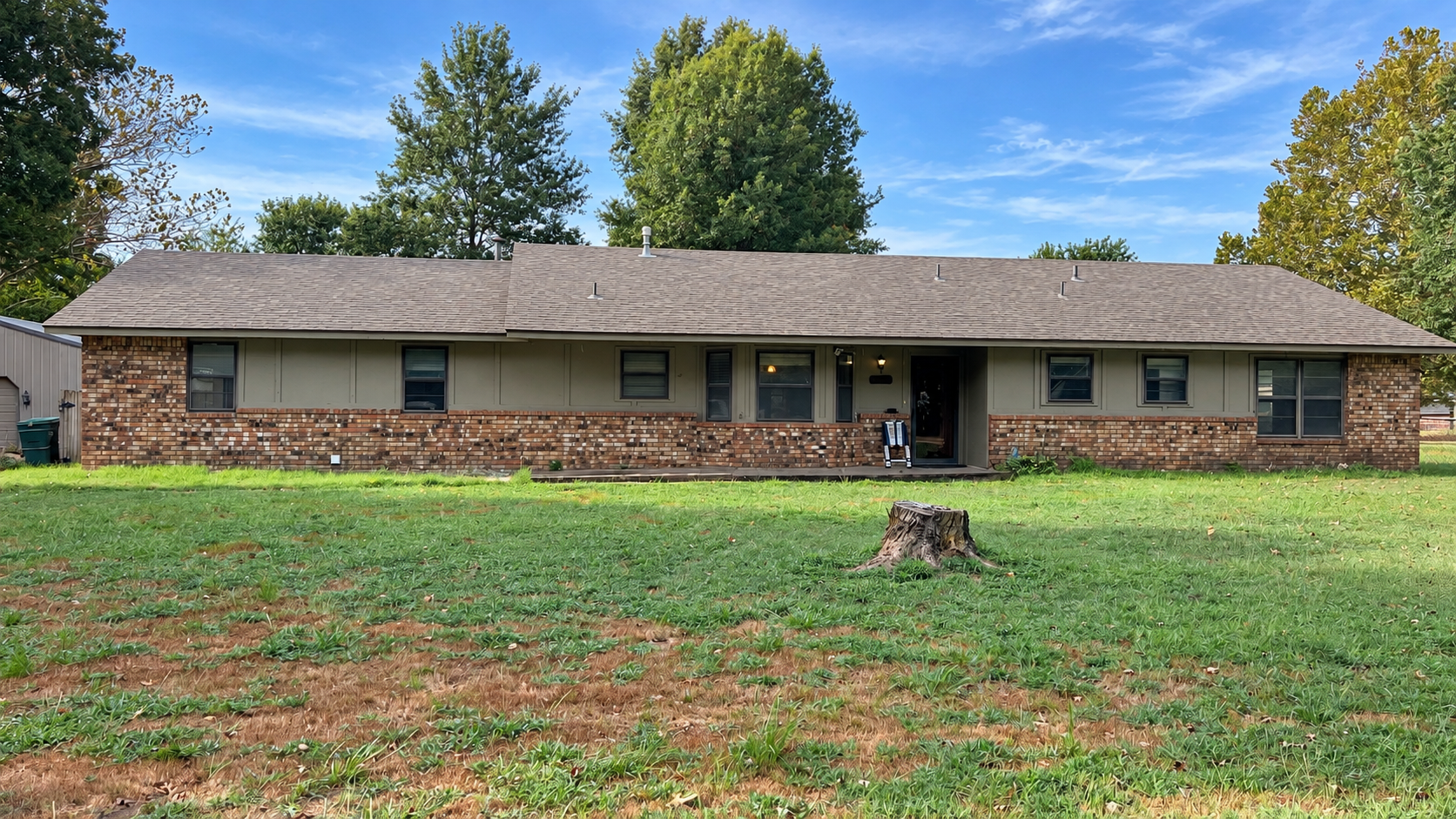
I represented a Broken Arrow buyer on a home listed at $282,000. We negotiated the purchase price to $235,000, or $47,000 below asking.
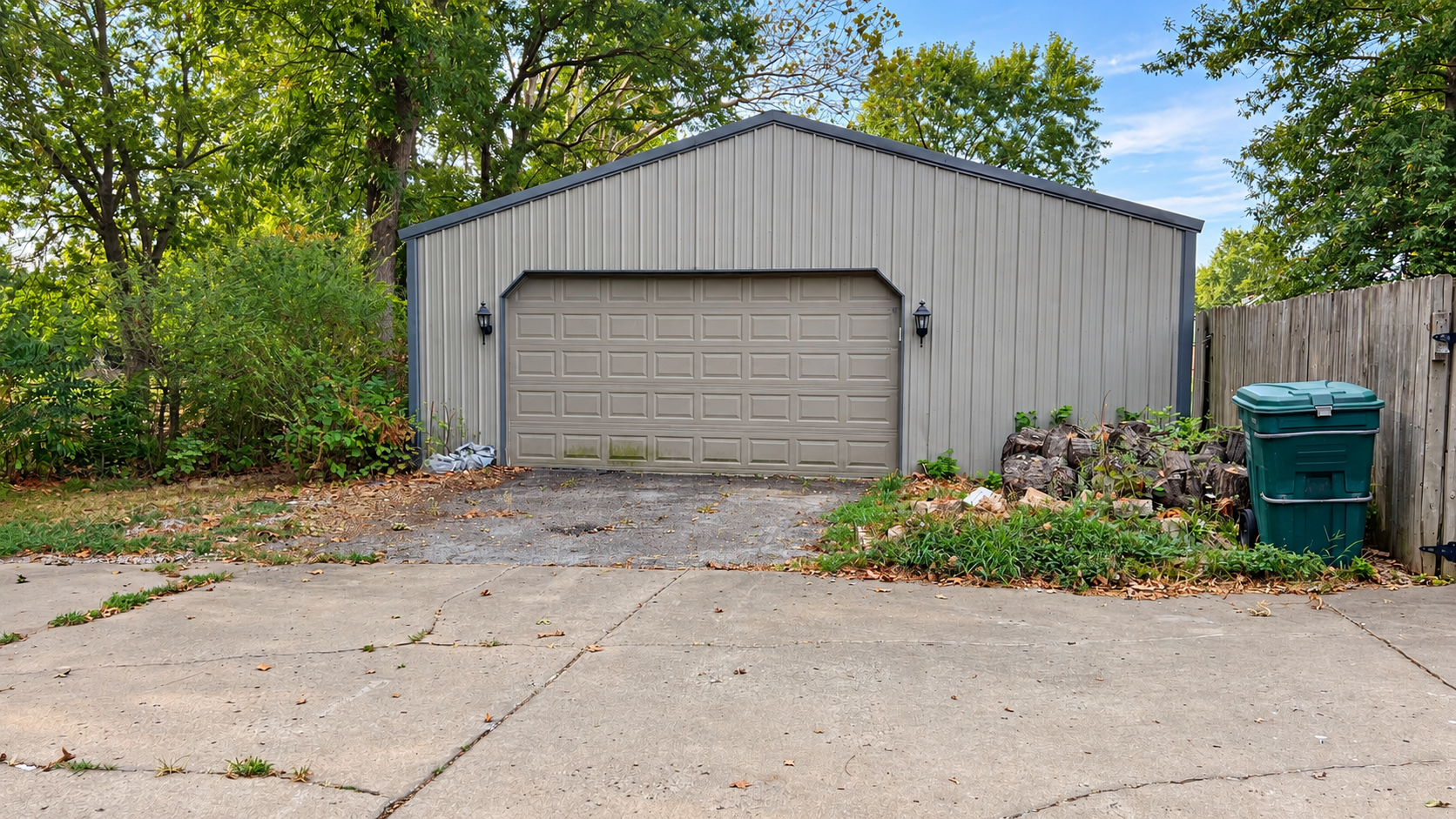
The property included three bedrooms, two bathrooms, approximately 2,000 square feet, about an acre, and a roughly 1,200-square-foot shop that was poorly represented in the initial marketing. The home also needed repairs.
The lesson is to investigate the whole property and price the work. This was one transaction, not a typical discount or a claim that the home was purchased below appraised value.
Find out what you are actually buying
Inspections turn questions into better decisions.
A general home inspection helps identify visible conditions within its scope. It does not uncover everything or replace specialist evaluations. Discuss additional inspections based on the home, its systems, and any findings.
Roof & exterior
Review roof condition, leaks, drainage, gutters, windows, siding, and prior repairs. Ask about age and documentation, then compare findings with insurance requirements.
Foundation & drainage
Investigate movement, grading, standing water, moisture, and doors or windows that do not operate properly. Have significant concerns evaluated by the appropriate professional.
Heating & cooling
Check condition, performance, maintenance, and likely remaining service needs. A working system can still warrant a replacement reserve.
Plumbing & sewer
Review leaks, water pressure, drainage, water heating, and pipe concerns. Discuss a sewer scope or septic evaluation when appropriate rather than assuming it is included.
Electrical & alterations
Ask about panels, wiring, additions, converted garages, and significant remodeling. Seek available permits and records, and have concerns evaluated before relying on the space.
Special features
Pools, wells, fireplaces, storm shelters, shops, and outbuildings may need separate review. Confirm the inspection scope and estimate the cost of operating and maintaining them.
Read the disclosures, then investigate what they raise.
Oklahoma’s Real Estate Commission provides residential disclosure and disclaimer forms. Review the document applicable to the transaction and follow up on reported repairs, water issues, and other concerns. A seller’s disclosure is not an inspection or a warranty. A disclaimer is not a clean bill of health.
For most pre-1978 housing, review applicable lead-based paint disclosures and discuss any appropriate evaluation before deadlines pass.
Repair negotiations should be specific.
Prioritize material condition, safety, and cost concerns. Where appropriate, obtain estimates and clearly document agreed work, credits, deadlines, and verification. A vague promise to “take care of it” is difficult to evaluate at the final walkthrough.
Especially important in Oklahoma
Get the insurance quote before the last minute.
Ask about roof eligibility, replacement-cost versus actual-cash-value coverage, wind and hail deductibles, exclusions, and any work required to obtain coverage. Compare the protection and out-of-pocket exposure, not just the premium.
A percentage deductible can be a meaningful cash expense. For illustration, if a policy calculates a 2% deductible on $300,000 of dwelling coverage, that deductible is $6,000. Confirm the actual basis and terms of your policy.
The Oklahoma Insurance Department’s buying guidance is a useful starting point. Ask separately about flood insurance and property-specific exposures.
Check the property as well as the premium. Use the FEMA flood map search and investigate drainage history. Being outside a mapped high-risk area does not establish that a property cannot flood.
Two different reviews
An appraisal is not a home inspection.
An appraisal addresses value for the lending process. A home inspection examines condition within the inspector’s scope. Neither eliminates every risk, and a property can meet an appraised value while still needing expensive work.
If an appraisal comes in below the contract price, discuss the lender’s calculation and your contract options promptly. Depending on the circumstances, there may be room to renegotiate, provide additional cash, submit relevant information through the lender’s review process, or use an applicable contingency. None of those outcomes is automatic.
The CFPB explains the distinction in its home-inspection guide.
The rules travel with the property
Review title, boundaries, and neighborhood obligations.
Ask the closing team to explain title exceptions, easements, and recorded restrictions relevant to your plans. If a fence, driveway, outbuilding, or boundary is uncertain, discuss the appropriate survey work before closing.
HOA and condominium questions
Review dues, assessments, governing documents, available financial information, and maintenance responsibilities. Check restrictions affecting rentals, parking, fences, pets, exterior changes, or future improvements.
For condominiums, ask your lender and insurance professional about project eligibility and the relationship between association coverage and your own policy.
Plans that need verification
Want a shop, pool, home business, guest space, or rental use? Confirm applicable rules, utilities, easements, and approval requirements before treating that future project as part of the purchase.
“No HOA” does not mean there are no covenants, zoning requirements, or other restrictions.
More land means more to evaluate
Buying a home on acreage requires looking beyond the house.
Acreage can offer room for projects, recreation, or a different daily routine. It also brings questions about access, utilities, maintenance, and what you can actually do with the land.
Access and boundaries
Confirm legal access, driveway condition, road maintenance, easements, and the property lines. A visible path or a fence is not a substitute for reviewing the relevant records and survey.
Water and wastewater
Identify the water source, service arrangements, and any well testing or evaluation needed. Have the septic system assessed as appropriate and understand maintenance obligations and limits on expansion.
Electricity and connectivity
Verify service to the home and capacity for planned additions. Confirm internet installation and actual service options at the address, especially if you work from home.
Usability and upkeep
Evaluate slopes, drainage, fencing, pasture or tree maintenance, outbuildings, and neighboring land uses. Budget for the equipment and time needed to maintain the property.
This is where my land background helps. I help buyers connect the house search with the land questions, then identify which providers, records, inspections, or professionals can answer them.
Different paths to your next home
Resale, new construction, or a home that needs work?
Existing homes
You can evaluate the established surroundings, layout, and current condition. Compare system ages, remodeling history, and maintenance needs alongside price and location.
New construction
Review the contract, included features, allowances, change orders, completion expectations, warranties, and inspection opportunities. Compare incentives using the full price and financing terms.
Fixer-uppers
Separate manageable cosmetic work from structural, drainage, system, or financing problems. Obtain estimates and confirm the home can qualify for your intended loan and insurance.
For a custom build, investigate the lot before committing to a house plan. Access, utilities, soils, drainage, and restrictions can affect both design and cost. Explore the new-construction buying guide.
When you already own a home
Plan the sale, purchase, and move together.
If you need sale proceeds to buy, tell your lender and agent early. Compare buying after selling, making an offer contingent on a sale, or any financing alternatives your lender approves.
Each route has tradeoffs in negotiating strength, temporary housing, moving costs, and the risk of carrying two properties. Coordinate possession dates as carefully as closing dates, and avoid assuming proceeds will be available before the closing team confirms them.
The final stretch
What to do before closing day.
Keep responding to lender and closing-team requests. Confirm insurance, utilities, your final cash requirement, and possession arrangements. Save the documents you may need for warranties, repairs, taxes, and future resale.
Review the Closing Disclosure
For most covered purchase mortgages, you must receive the Closing Disclosure at least three business days before closing. Compare the loan terms, monthly payment, credits, fees, and cash to close with your expectations.
Use the CFPB’s Closing Disclosure explainer and ask the lender or closing team about unexplained changes.
Complete the final walkthrough
Check agreed repairs, included items, property condition, and whether new damage or removal has occurred. Confirm utilities are available for the checks you need.
The walkthrough is not a replacement for inspections. Raise unresolved issues before signing rather than assuming they will be fixed afterward.
Verify wiring instructions directly.
Follow the CFPB’s wire-fraud guidance: confirm instructions through a trusted, independently verified phone number or in person. Do not trust an unexpected email changing the account or phone number. If funds go to the wrong place, contact your bank immediately.
After you get the keys
Set yourself up for a manageable first year.
First-week essentials
- Rekey locks and update access codes.
- Locate water shutoffs, electrical panels, and other essential controls.
- Check smoke and carbon-monoxide alarms as applicable.
- Confirm utilities, insurance, and service transfers.
- Store closing documents, warranties, and repair records together.
First-year priorities
- Schedule necessary servicing and outstanding repairs.
- Monitor drainage during rain and investigate concerns.
- Track actual utilities and maintenance spending.
- Keep repair reserves separate from decorating money.
- Review tax and escrow notices and ask about changes.
Check with the appropriate county assessor about any exemption you may qualify for and its application requirements. Do not assume an exemption held by the seller transfers automatically.
Questions are part of the process
Oklahoma home-buying FAQs.
Do I need 20% down to buy a home?
Not always. Some loan programs allow smaller down payments for eligible buyers. Compare the full payment, mortgage insurance, fees, and reserves rather than treating the down-payment percentage as the only deciding factor.
Should I talk to an agent or a lender first?
You can start with either. An early agent conversation helps define your search, while a lender can evaluate financing and cash requirements. Getting both conversations underway before serious shopping helps you make realistic decisions.
Can the seller help with closing costs?
Seller contributions can be negotiated, but the seller must agree and the arrangement must fit your loan program and transaction. Ask your lender how a proposed credit affects your cash to close before relying on it.
Does preapproval mean my loan is guaranteed?
No. Final approval can depend on updated finances, documentation, the property, appraisal, title, insurance, and other lender conditions. Ask what has been reviewed and what still needs to happen.
What if the inspection finds problems?
Most homes have some findings. Focus on significance, costs, specialist recommendations, and your contract deadlines. Depending on the agreement, you may have options to request repairs, negotiate, proceed, or terminate.
Does “as is” mean I should skip inspections?
No. You still need to understand the condition and your contractual rights. An as-is purchase can involve different repair expectations, but the specific agreement controls inspection access, termination options, and other obligations.
Will I get my earnest money back if I change my mind?
Not automatically. The contract, reason for termination, deadlines, notice requirements, and release process matter. Ask before signing how the deposit is handled and when it may be at risk.
Should I avoid a home with an older roof?
Not necessarily. Review condition, insurance eligibility, coverage terms, replacement costs, and your available cash. The decision should reflect the whole property and the price, not age alone.
Can you help with a home on acreage or a place for a shop?
Yes. We can compare homes and investigate the land questions that affect your plans, including access, restrictions, utilities, septic, outbuildings, and usable space.
Can I buy and sell at the same time?
Yes, but the financing, contract conditions, proceeds, and possession dates need coordination. Start planning before making an offer so you understand the alternatives and the potential costs.
How long does it take to buy a home?
The search may take longer or shorter than the contract-to-closing period. Financing, inspections, title work, repairs, and the parties’ schedules affect timing. We will build a plan around your situation rather than promise one timeline for everyone.
What should I send you to get started?
Your preferred locations, comfortable budget or payment, timing, must-have features, and any listings you like. If you need to sell first or have financing questions, include that too.
Corbett Campbell · OUR OK Realty
Let’s make your next move a well-informed one.
You do not need to have everything figured out before reaching out. Whether you are buying your first home, changing neighborhoods, or looking for a house with land, we can start with your goals and work through the questions together.
My background in homes, land, and development helps me look at the full property. I want you to understand what works, what needs attention, and what you should verify before making a commitment.
corbett@ourokrealty.com
Learn more about working with Corbett

Go deeper on the details
More Oklahoma property-buying resources.
- Buying land in Oklahoma
- Buying new construction
- Confirming legal access
- Checking rural water availability
- Checking electric availability
- Confirming utilities
- Checking whether land is buildable
- Checking septic and sewer
- Checking internet and cell service
- Understanding utility easements
- Checking gas and propane options
- OREC contract and disclosure forms
Resource links reviewed October 15, 2026. Loan programs, insurance terms, and transaction requirements can change. Your agreement and property-specific circumstances control the transaction. Photos illustrate the guide and do not establish current listing availability.