
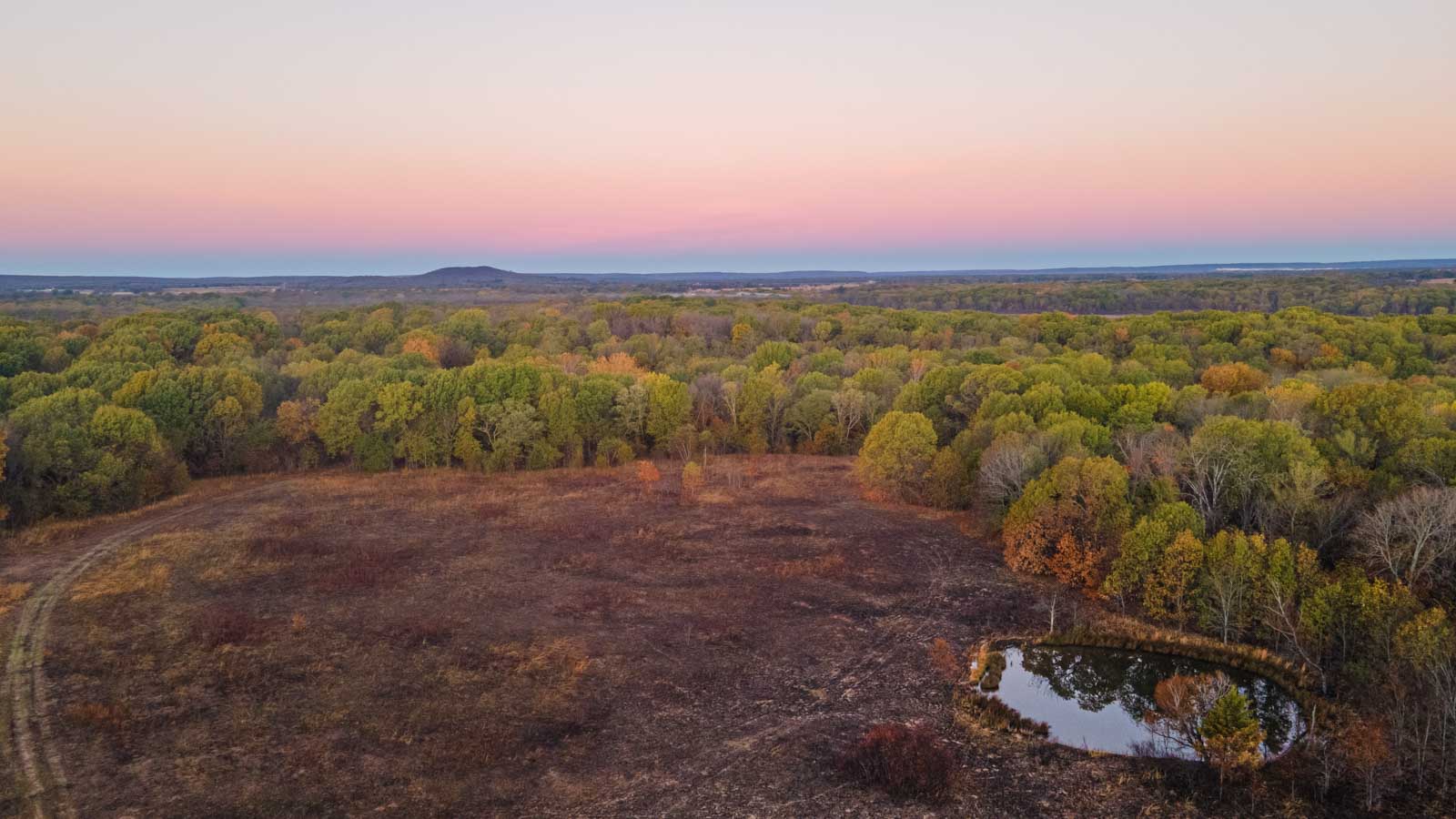
Oklahoma investment property buying guide
Buying Investment Real Estate in Oklahoma
Start with a strategy. Understand the numbers. Buy a property with a realistic plan for what comes next.
Rental homes, short-term rentals, commercial buildings, and land can create very different opportunities. The right purchase depends on what you can afford, what you can manage, and how the property will produce income or gain value.
I help buyers look beyond the asking price to evaluate the property, the work involved, and the assumptions that need to hold up.
Define the job before buying the property
A low price is a starting point. A workable investment needs more.
Before comparing listings, decide whether you want current income, a renovation project, a development opportunity, or a long-term asset. Those goals require different financing, reserves, timelines, and levels of involvement.
A rental may need a manager and a replacement roof. A land split may need approvals and a road. A commercial building may need a new tenant before it produces income. Put those requirements into the plan from the beginning.
Long-term rentals
Buy housing that renters want at a price supported by realistic rent, operating expenses, repairs, and financing.
Evaluate rental homesShort-term rentals
Evaluate an operating hospitality business, including legal use, guest demand, seasonality, furnishing, and management.
Evaluate Airbnb-style propertiesHome flips
Buy, improve, and resell with a documented renovation scope, credible resale comparisons, and room for delays.
Evaluate renovation projectsCommercial buildings
Review the building, tenant demand, leases, operating costs, and what happens when space becomes vacant.
Evaluate commercial investmentsLand splits & rezoning
Investigate whether a different parcel layout or permitted use can create enough value to justify the work and risk.
Evaluate land opportunitiesLand to hold
Buy with a defined reason to own, a carrying-cost budget, and a realistic future buyer rather than relying on growth alone.
Evaluate long-term land ownershipWrite a simple buy box.
Tell me your property type, location range, purchase budget, available improvement cash, financing plan, timeline, and intended exit. Include what you will not take on. A clear buy box helps us recognize a fit and pass on distractions.
Residential income properties
Buy a rental for its operating performance.
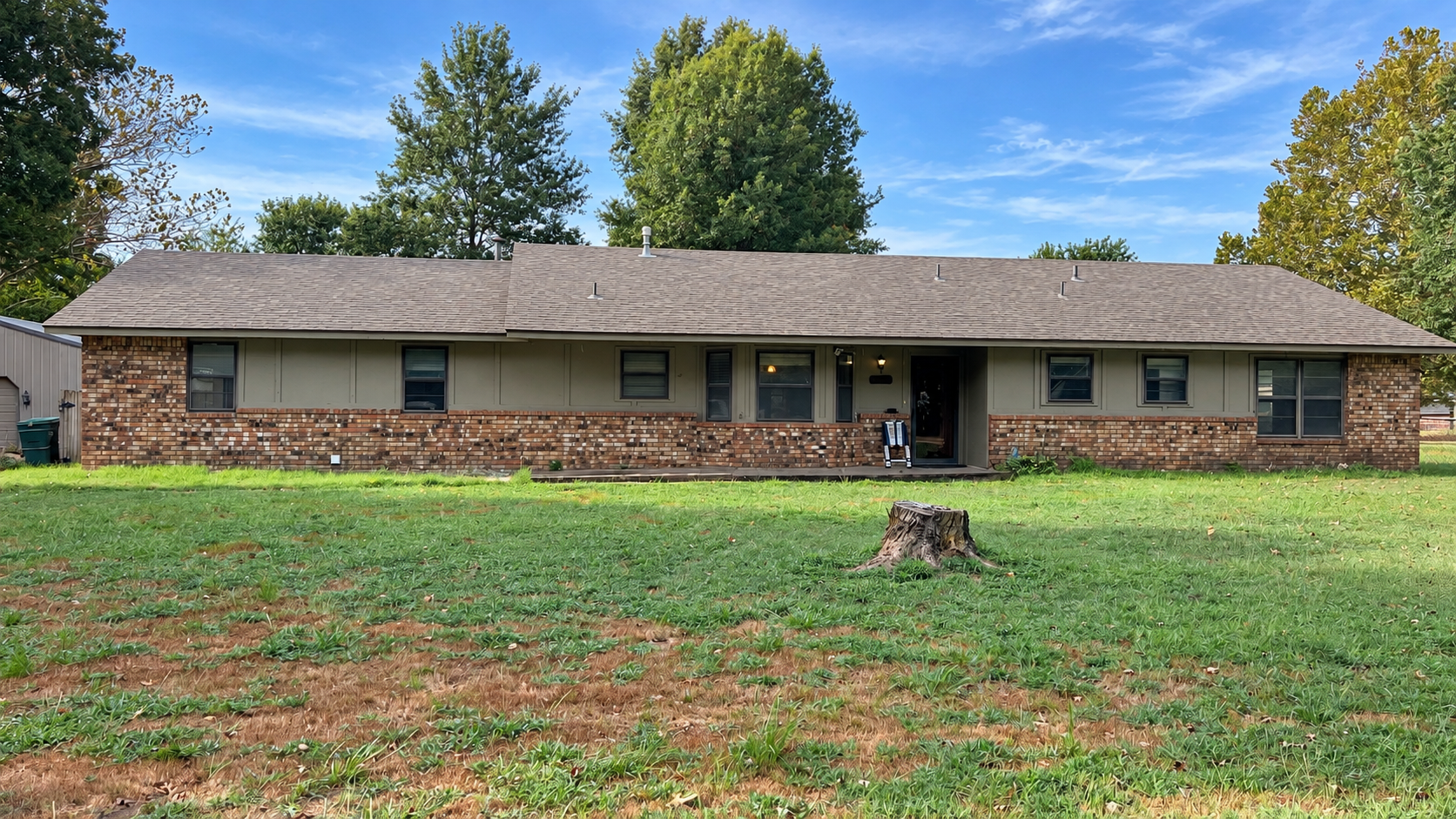
A rental home should be evaluated as both a building and a business. The mortgage payment is only one expense, and the rent shown in an advertisement is not the same thing as reliable collected income.
Compare similar rentals by location, size, condition, parking, yard, and included services. Ask a local property manager about achievable rent, leasing time, turnover, and the improvements renters actually value.
Verify the income
For an occupied property, request leases, amendments, rent rolls, payment history, deposits, concessions, and information about unpaid balances. Compare records with actual collections where available.
For a vacant property, treat projected rent as an estimate. Budget for marketing, preparation, and the time needed to find a tenant.
Inspect for ownership costs
Review the roof, foundation, drainage, HVAC, plumbing, electrical, sewer line where appropriate, and safety concerns. Get repair estimates and insurance quotes during due diligence.
Separate immediate work from items likely to need replacement during your ownership.
Price the management
Ask about monthly management fees, leasing fees, renewals, inspections, maintenance coordination, and after-hours service. Understand who approves work and how reserves are held.
If you self-manage, account for your time and responsibilities. Use consistent, lawful screening and lease practices with qualified guidance.
Review the handoff
Have the existing lease obligations, security deposits, possession, keys, notices, and management arrangements reviewed before closing.
Do not assume you can immediately raise rent, remove an occupant, or change lease terms simply because ownership changes.
Duplexes and small multifamily need unit-by-unit review.
Confirm the lawful number of units, occupancy, leases, separate or shared meters, owner-paid utilities, and condition of each unit. Multiple rent checks can spread vacancy exposure, but shared roofs, systems, and expenses can still create large repair bills.
Airbnb, Vrbo & furnished stays
A short-term rental needs demand and an operating plan.
A home that looks great online may not perform well as a nightly rental. Start by confirming that the exact property can legally be used the way you intend. Then evaluate year-round demand and the cost of serving guests.
Different markets attract different stays: vacations, events, work assignments, family visits, or temporary housing. Identify your likely guest and compare genuinely similar properties rather than the highest advertised nightly rate.
01
Confirm the allowed use
Check the applicable city or county rules, zoning, licensing, occupancy limits, parking, safety requirements, HOA documents, deed restrictions, insurance, and lender terms.
For example, Tulsa publishes short-term rental licensing and zoning guidance. That is a local example, not a rule for every Oklahoma address.
02
Verify the revenue
Request monthly booking and payout records where available. Separate nightly charges, cleaning fees, taxes, refunds, platform charges, and owner-blocked dates.
A full-looking calendar is not proof of paid occupancy. Compare monthly performance and account for slower seasons.
03
Budget the operation
Include furniture, linens, supplies, utilities, internet, cleaning, management, platform fees, maintenance, landscaping, insurance, replacements, and applicable taxes.
Confirm who handles a late-night lockout, a canceled cleaner, storm damage, or a guest complaint.
04
Test the backup plan
If nightly demand falls, could the property work as a longer-term rental or resale? Verify the permitted use, realistic rent, conversion costs, and financing implications.
Do not assume reviews, bookings, accounts, permits, or management agreements transfer with the sale.
Use paid nights, not a perfect calendar.
For illustration, a $180 average nightly rate multiplied by 180 paid nights produces $32,400 of accommodation revenue before operating costs and debt payments. That is an arithmetic example, not a local revenue forecast. Personal-use dates and maintenance downtime reduce availability.
A furnished medium-term rental may serve a different customer, but it still needs verified demand, appropriate leases, and compliance with the applicable rules. Longer stays do not automatically remove licensing, tax, or operational obligations.
Renovation and resale
A flip begins with the resale buyer and the scope of work.
Estimate the likely resale range from relevant closed sales, adjusted for condition, size, location, layout, and features. An ambitious asking price on a nearby listing is not proof of what your finished project will sell for.
Walk the property with appropriate contractors and inspectors. Define the repairs, permits, materials, labor, schedule, and contingency before assuming the renovation is cosmetic.
Build the full project budget
Include acquisition, closing, renovation, permits, financing, insurance, taxes, utilities, maintenance, marketing, selling expenses, and contingency. Carrying costs continue while work or a sale is delayed.
A purchase-to-resale price spread is not profit.
Improve for the actual market
Prioritize condition and function before expensive finishes. Match the project to comparable homes and the likely buyer rather than building your personal dream house.
Price in inspection findings and have a plan for issues discovered after work begins.
Work backward: conservative resale proceeds minus selling costs, project costs, financing and holding costs, contingency, and your required margin gives you a maximum acquisition budget. A percentage rule alone cannot replace that calculation.
Buildings that serve businesses
Commercial value depends on the space, the lease, and the tenant.
Retail, office, warehouse, industrial, and mixed-use properties have different demand drivers. Evaluate who can use the space, what they will pay, and how expensive it would be to replace a tenant.
A fully occupied building is not automatically a low-risk purchase. Lease expiration, tenant finances, building condition, and responsibilities for expenses can change the result substantially.
| Review area | What to investigate |
|---|---|
| Lease income | Executed leases, rent schedules, concessions, collections, renewals, guarantees, and remaining terms. |
| Expense allocation | Who pays taxes, insurance, utilities, common-area costs, repairs, roof, and structural work under the actual lease. |
| Tenant concentration | How much income depends on one occupant and what happens if that tenant leaves or stops paying. |
| Re-leasing costs | Vacancy time, tenant improvements, leasing commissions, concessions, and buildout requirements. |
| Physical suitability | Parking, loading, access, power, clear height, fire protection, accessibility, and allowed uses. |
| Capital needs | Roof, HVAC, pavement, drainage, electrical systems, and other significant replacements. |
Review lease abstracts against the original documents and have counsel address material terms. Request tenant confirmations, often called estoppels, where appropriate. A “triple-net” label does not settle every repair or expense responsibility.
Investigate prior use before ownership.
Discuss environmental due diligence with your lender, attorney, and an environmental professional. The EPA’s All Appropriate Inquiries guidance explains the framework for evaluating environmental conditions and potential liability. The needed review depends on the site and transaction; it is not replaced by a general building inspection.
Buying for your own business is a different analysis.
An owner-user should compare ownership with leasing, including operational flexibility and the capital tied up in the building. Keep the business’s operating needs separate from assumptions about real estate returns.
Some business financing may fit eligible owner-occupied projects. The SBA states that 504 loans cannot be used for speculation or investment in rental real estate. Confirm the appropriate financing rather than assuming a commercial address qualifies.
Creating a more useful property
Buying land to split starts with feasibility.
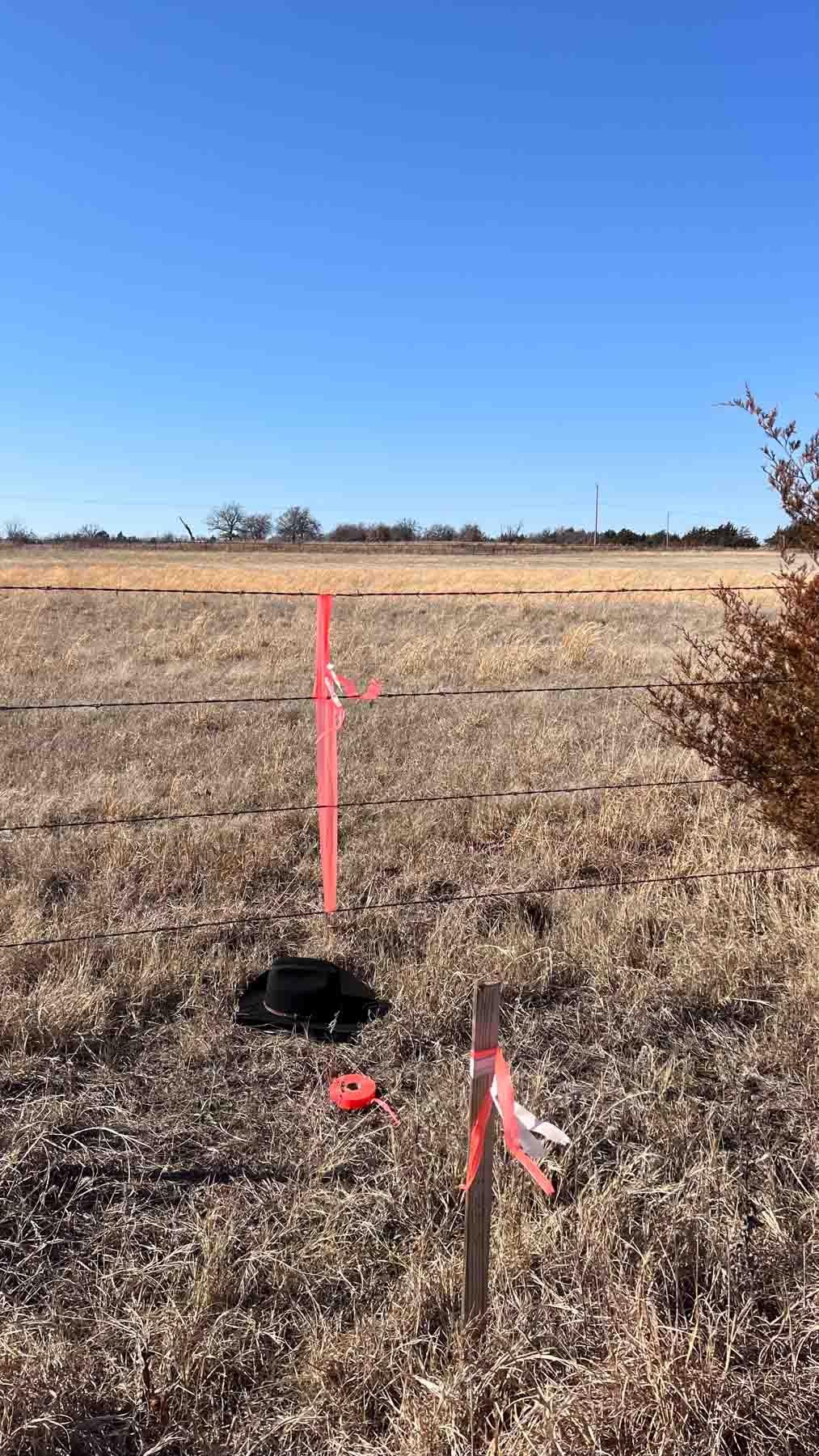
A larger tract can sometimes appeal to more buyers when divided into smaller, usable parcels. But drawing lines on an aerial map does not create approved lots, legal access, utility capacity, or a profitable project.
Start with the end buyer. What size and price can that buyer afford? What access, water, wastewater, and building options will they need? Then determine whether the parent tract can support that product.
Confirm the approval path
Ask the governing jurisdiction about lot splits, subdivision or platting requirements, minimum dimensions, frontage, access, roads, drainage, and any required improvements. Identify the survey, engineering, and legal work needed.
A rural address or location outside city limits does not establish that no approvals apply.
Make every proposed tract work
Check legal and practical access, utility service, wastewater feasibility, easements, restrictions, terrain, flood risk, and a usable homesite where relevant.
Determine whether roads, drainage areas, or easements reduce the acreage you can actually sell as intended.
Plan the financing and sellout
Discuss partial releases with the lender before buying. Selling a tract out of mortgaged land requires the appropriate lender arrangements and closing coordination.
Estimate how quickly buyers may absorb the finished parcels. The last tract can carry debt, taxes, and maintenance long after the first sale.
Price the whole project, including the slowest sale.
Account for survey, legal work, applications, engineering, roads, drainage, utilities, clearing, lender costs, insurance, property taxes, sales expenses, and contingency. Allocate shared costs across the tracts instead of treating early sales as pure profit.
A change in use is a process
Buying land to rezone requires more than a promising location.
Rezoning can change the range of allowed uses, but it does not guarantee a buyer, a building permit, or economically feasible development. A parcel can receive a different zoning classification and still face expensive access, drainage, utility, or site-work requirements.
Understand the planning context
Review current zoning, the comprehensive plan, surrounding uses, overlays, restrictions, and the proposed use. Ask planning staff about the process, required studies, public hearings, and possible conditions.
A staff conversation or pre-development meeting is useful information, not final approval.
Price the requirements
Investigate road access, driveway permissions, traffic, drainage, detention, water, sewer, fire protection, parking, and other site requirements with appropriate professionals.
Confirm who pays for improvements, when they are needed, and whether they make the intended project uneconomic.
Structure the purchase around the uncertainty.
Work with your agent and attorney on appropriate investigation periods, access for studies, seller cooperation, approval contingencies where negotiated, and deadlines. Know what happens if the approval takes longer, comes with expensive conditions, or is denied.
Review the property’s value and permitted uses as it exists today. If the entire purchase depends on an unapproved change, the downside needs to be especially clear.

Patient ownership needs a plan too
Buying land to hold is an investment in a future use.
A long-term land hold needs a reason beyond “the area is growing.” Identify the likely future buyer and what would make the tract useful to that buyer: access, infrastructure, parcel size, permitted use, location, or assemblage potential.
Review actual development activity and adopted plans while separating funded projects from proposals. A future road or utility extension may change timing, access, and costs in ways that help or hurt the property.
Budget the waiting period
Include debt service, taxes, insurance, mowing, fencing, security, access maintenance, and cash tied up in the property. Land may produce little or no income while those costs continue.
Evaluate grazing, hay, or recreational leasing separately. Confirm legal use, responsibilities, insurance, and whether the arrangement fits your eventual sale.
Set review points and exit options
Decide when you will reassess the investment and what evidence would support continuing to hold. Compare current sale value, additional improvement costs, and alternative uses for your capital.
Understand easements, mineral reservations, existing leases, and other rights that may affect future plans.
A backup plan must be practical. “I can always sell it” is not a complete exit strategy. Estimate the likely buyer, realistic selling time, transaction costs, debt payoff, and price needed to avoid a loss.
Choose the work you are prepared to do
Land versus buildings: compare the responsibilities.
Neither is automatically passive. A managed rental still needs oversight and reserves. A land project can require intensive work during approvals and improvements. An unimproved hold may require less day-to-day work while tying up cash for years.
| Strategy | Potential source of return | Key exposure |
|---|---|---|
| Long-term rental | Net rental income, loan paydown, and possible appreciation. | Vacancy, repairs, tenant issues, and financing costs. |
| Short-term rental | Net guest revenue and possible resale value. | Seasonality, operating workload, competition, and rules. |
| Home flip | Resale proceeds above the full project cost. | Renovation overruns, delay, and resale pricing. |
| Commercial building | Net lease income and possible value changes. | Lease quality, tenant turnover, capital repairs, and re-leasing costs. |
| Land split or rezoning | Value created through an approved, marketable change. | Approvals, infrastructure costs, financing, and sellout time. |
| Land hold | Possible appreciation and any verified interim income. | Carrying costs, uncertain timing, and limited liquidity. |
Put the assumptions on paper
Use the right numbers for the strategy.
Start with actual records when available, then document assumptions separately. Distinguish the property’s current performance from a forecast that requires renovations, higher rent, new tenants, or approvals.
Net operating income
Effective income minus operating expenses, before debt service and income taxes. Be consistent about how reserves and capital replacements are treated when comparing properties.
Capitalization rate
Annual NOI divided by purchase price or value. A cap rate reflects an income relationship, not your financed cash return or a guarantee of performance.
Cash-on-cash return
Annual pre-tax cash flow divided by cash invested. State which upfront costs and reserves you include. Principal paydown and unrealized appreciation are not spendable cash flow.
Debt-service coverage
NOI divided by annual debt service is a common starting point. Lenders may use different adjustments and requirements, so ask how your lender calculates it.
A rental example with the expenses included.
The following is hypothetical and is not a local rent estimate, loan quote, or promised return.
| Annual calculation | Amount |
|---|---|
| Scheduled rent: $2,000 per month | $24,000 |
| Vacancy and collection allowance | −$1,200 |
| Operating expenses, including taxes, insurance, routine maintenance, and management | −$8,000 |
| NOI before debt and replacement reserve | $14,800 |
| Annual principal and interest payments | −$10,800 |
| Annual replacement reserve allocation | −$1,800 |
| Remaining pre-tax cash flow | $2,200 |
If the purchase price were $200,000, that NOI would imply a 7.4% cap rate. If total initial cash committed were $60,000, the $2,200 remaining cash flow would represent about 3.7% cash-on-cash under this example’s assumptions. A repair beyond the reserve or additional vacancy could reduce it further.
Run a downside case.
Lower income, increase insurance and repair costs, extend vacancy, and test the financing at its next adjustment or maturity. If a small change eliminates the margin, recognize that before deciding what to offer.
Land development example
Gross resale value is not project profit.
Suppose a tract costs $160,000, investigation and improvements cost $40,000, financing and holding cost $15,000, and selling expenses total $20,000. The total project cost is $235,000.
$280,000 total parcel sales − $235,000 total costs = $45,000 before income taxes.
Now reduce sales proceeds by 10% to $252,000 and add $20,000 in unplanned costs. The same project shows a $3,000 loss before income taxes.
These are simplified illustrations, not market estimates. Timing matters too: a $45,000 result over several years is different from the same result over a short project. Model the actual cash going out and coming back, including lender releases and the unsold parcels.
Capital, structure & recordkeeping
Match the financing to the intended use.
Tell the lender whether you intend to rent, renovate, subdivide, rezone, occupy, or resell. Compare required equity, rate, amortization, maturity, fees, guarantees, draw procedures, reserves, and prepayment terms.
A long amortization can still come with a short maturity or balloon payment. Refinancing is a future transaction, not an assured exit. Have a plan if rates, values, or lender requirements change.
Keep liquidity after closing
The down payment is not the whole cash requirement. Preserve funds for repairs, vacancy, delays, deductibles, and operating costs. Ask what happens if the project takes longer than planned.
If partners are involved, document contributions, decision-making, additional funding obligations, distributions, and exit rights with counsel.
Separate cash flow from tax treatment
Rental income, expenses, improvements, depreciation, personal use, and a sale can have different tax consequences. The IRS provides residential rental property guidance, including vacation rentals.
Have a CPA review the actual strategy and ownership structure. A deduction is not the same as a cash refund, and tax benefits should not rescue weak property economics.
Buy with evidence
What I want investigated before an investment purchase.
Build a property-specific checklist and calendar around your contract. Some records will be incomplete. Identify those gaps early and decide what must be verified before you proceed.
Income and market
- Actual collections, leases, deposits, and concessions.
- Comparable rents and closed sales.
- Vacancy, turnover, and realistic selling or leasing time.
- Evidence supporting any proposed new use.
Condition and costs
- Inspections and specialist investigations.
- Written repair and improvement estimates.
- Insurance quotes and replacement needs.
- Operating costs, capital reserves, and contingency.
Title, access, and approvals
- Title exceptions, survey needs, and legal access.
- Restrictions, easements, and existing agreements.
- Zoning and the approval path for your specific plan.
- Utilities, wastewater, drainage, and environmental concerns.
Financing and exit
- Loan terms, maturity, guarantees, and releases.
- Cash needed through a slower-than-expected timeline.
- Net proceeds after selling costs and debt payoff.
- A realistic alternative if the first plan fails.
Reasons to slow down or pass.
Unverifiable income, unclear access, missing approvals, repair estimates that are only guesses, an unrealistic timeline, or a deal that requires perfect pricing are reasons for more investigation. Walking away can be the right investment decision.

A practical purchase process
From the first listing to a clear ownership plan.
- Define the strategy. Establish your budget, experience, time commitment, financing, and intended exit.
- Screen the opportunity. Review the location, records, condition, allowed use, and preliminary numbers.
- Tour with a purpose. Identify repairs, operational issues, unanswered questions, and the professionals needed.
- Structure the offer. Address investigation periods, financing, documents, included items, existing obligations, and possession.
- Verify and revise. Replace estimates with records, quotes, and professional findings. Rework the numbers as facts change.
- Make the decision. Proceed, negotiate, or exercise available contract rights within the required deadlines.
- Prepare the handoff. Coordinate insurance, management, utilities, deposits, keys, records, and the first projects after closing.
Common investor questions
Investment real estate FAQs.
Should my first investment be a rental or land?
Match the property to your capital, experience, available time, and goals. A rental needs an operating plan and repair reserves. A land project needs verified feasibility and enough cash for the holding period. Neither wins in every situation.
How do I know whether a rental cash flows?
Use realistic collected rent, subtract operating expenses, then account for debt service and planned reserves. Verify taxes, insurance, management, repairs, and vacancy instead of relying on the seller’s advertised payment spread.
Can I turn any house into an Airbnb?
No. Verify the rules for that address, private restrictions, insurance, and financing. Then evaluate guest demand, operating costs, and management. A nearby short-term rental does not prove yours is allowed or profitable.
Is buying a leased commercial building passive?
It can reduce some daily work, depending on the lease and management, but the owner still has risks. Tenant performance, lease expiration, capital repairs, re-leasing costs, and financing need ongoing attention.
Can I split land just because it has enough acreage?
No. Parcel dimensions, frontage, access, utilities, wastewater, restrictions, and local approval requirements can limit the plan. Confirm how each resulting tract would function and sell.
Does rezoning automatically increase the property’s value?
No. Value depends on demand and what can actually be developed at a workable cost. Approval conditions, infrastructure, and market timing can outweigh the benefit of a different zoning designation.
Are off-market properties always better deals?
No. An off-market property still needs fair pricing, clear ownership, due diligence, and a realistic strategy. Public listings can also contain opportunities that have been poorly presented or overlooked.
Can you guarantee a return or a profitable resale?
No. I can help you research, compare, negotiate, and coordinate the purchase. Rents, costs, approvals, financing, and future sale prices remain uncertain, so we work through those assumptions before buying.
What should I send you to join the investor list?
Send your target areas, property types, budget, available improvement funds, financing approach, experience, timeline, and preferred strategy. Include whether you want updates when a potential fit comes up.
Corbett Campbell · OUR OK Realty
Tell me what a good investment looks like for you.
I buy and own land myself, and I work with buyers and sellers on acreage, homes, and development opportunities. I enjoy looking for value that is easy to miss, then working through what it would take to make the property useful.
My role is to help you compare opportunities, investigate the details, negotiate, and coordinate the transaction. When the question needs an attorney, CPA, engineer, contractor, lender, or property manager, we bring that expertise into the process.
Join my investor list.
Use the form below to send your buying criteria and ask to join my investor list. Tell me whether you want rentals, renovation projects, commercial buildings, land splits, rezoning opportunities, or land to hold.
A specific buy box helps me recognize potential fits when opportunities come up. Availability varies, and a property still needs to earn its place in your plan.

Keep researching
Resources for your next property purchase.
- Buying land in Oklahoma
- Buying a home
- Confirming legal access
- Checking rural water
- Checking electric service
- Confirming utilities
- Checking buildability
- Checking septic and sewer
- Checking internet and cell service
- Understanding utility easements
- Checking gas and propane
- Explore the areas I serve
Primary reference resources
- IRS residential rental property guidance
- Tulsa short-term rental guidance
- EPA environmental due diligence
- SBA 504 eligibility and permitted uses
- Broken Arrow development process example
- FEMA flood map search
Resources reviewed October 15, 2026. Local requirements vary by property and jurisdiction. Numerical examples are hypothetical and do not predict returns. Legal, tax, engineering, environmental, and financing decisions require property-specific professional review. Photos illustrate this guide and do not establish current listing availability.