How to check propane or gas Availability
How to navigate confirming gas or propane availability without getting burned.
Click a specific section if you already know what you need answered!
What this page aims to answer about how to check propane or gas availability:
Before buying land in Oklahoma, one of the first things you need to verify is whether propane or gas is actually available. A marked gas line on a map does not always mean you can get access, and a listing that says “utilities nearby” may not tell the full story or can be completely inaccurate. This guide shows you how to check in with local providers, things to identify for gas and propane, and common mistakes made to potentially help save you some cash.
1. Find your land
Using Google, Id.Land, Onyx, County Assessor Page, etc
2. Look for nearby service
Physically walk the property or use google street view to look for gas or propane activity.
3. Confirm availability
Reach out to the local gas or propane companies to confirm availability.
Why Gas and Propane Matter Before Buying Land
When people think about utilities on land, they usually think about water, electric, and septic first. That makes sense because those are the big ones. But gas and propane still matter, especially if you are planning to build a home, shop, cabin, or rural getaway.
Gas or propane may affect:
Heating
Cooking
Water heaters
Fireplaces
Backup generators
Outdoor kitchens
Shop heaters
Pool heaters
Future home design
In town, many buyers are used to natural gas being available. On rural land in Oklahoma, that is not always the case. A property can have electric nearby, rural water nearby, and still have no natural gas service at all.
That does not mean the property is bad. It just means you need to know what your realistic options are before you make plans.
Natural Gas vs Propane on Rural Land
Natural gas and propane are not the same thing.
Natural gas usually comes through underground utility lines from a gas company. If the area is served by natural gas, the provider may be able to connect the property depending on location, line access, and provider requirements.
Propane is stored in a tank on the property. A propane company delivers fuel to the tank as needed. This is very common for rural homes, cabins, shops, and properties outside city limits.
For a lot of rural Oklahoma land, propane may be the more realistic option.
That is not necessarily a downside. Plenty of rural homes use propane every day. The important part is knowing ahead of time so you can plan for tank placement, delivery access, and future costs.
Step 1. Find your Property

Use google maps or any other mapping feature to find your subject property. You may know where your land is but does it have an address? Most vacant land in Oklahoma doesn’t have a literal address. They have placeholders like 1 E 1180 Road Okemah.
Once you have found your property record these three things:
1. The nearest neighbors address.
2. The nearest road frontage.
3. The closest road or hwy intersection.
Step 2: Look for Nearby Homes and Existing Service
The simplest first step is looking around.
If you are researching online, use Google Maps, county assessor maps, ID.Land, or another mapping tool to look at nearby improved properties.
If you are physically at the property, look for signs of gas or propane service.
Things to look for:
Propane tanks beside nearby homes
Gas meters on homes
Gas line markers near the road
Nearby subdivisions with gas service
Shops, barns, or homes using propane
Driveways that would allow propane delivery trucks
Existing home sites or old utilities on the property
A propane tank near a neighboring home is a good clue that propane is common in that area. A gas meter or gas line marker may point you toward a natural gas provider.
But just like water and electric, seeing something nearby is not final confirmation. You still need to call.
Step 3. Ask The seller what they know
If the land already has a house, cabin, mobile home, shop, or previous homesite, ask the seller what has been used in the past.
Questions to ask the seller:
Was the property ever connected to natural gas?
Is there an existing propane tank?
Is the propane tank owned or leased?
Which propane company serviced it?
Are there any old gas lines on the property?
Was propane used for heat, cooking, or hot water?
Are there records from past utility bills or service?
If there is an existing propane tank, the ownership matters.
A tank may be owned by the property owner, or it may be leased from a propane company. That can affect whether it stays with the property and who has the right to fill it.
Step 4: Call Natural Gas Providers
If you think natural gas may be available, call the possible provider and ask directly.
Give them the property location and nearby address if you have one.
Ask:
Do you provide natural gas service to this road or area?
Is there a gas line near the property?
Can this specific property be served?
Would an extension be needed?
What information do you need to confirm service?
Would a 911 address be required?
Are there connection fees or construction costs?
Can you provide anything in writing?
The key is not just asking if gas is “nearby.” You want to know whether the property can realistically be connected.
In many rural areas, the answer may be no. If that is the case, propane is usually the next thing to check.
Step 5. Call Local Propane Companies

If natural gas is not available, call local propane companies and ask if they deliver to that area.
Propane availability is often more flexible than natural gas because it does not require a utility line along the road, but delivery still matters. The propane company can usually explain what is realistic for a rural property.
Ask the propane company:
Do you deliver to this area?
Can you service this road?
Do you lease or sell propane tanks?
What tank sizes are common for homes?
What affects tank placement?
Does the driveway need to meet certain access requirements?
How close can the tank be to the home?
Do you handle installation?
What upfront costs should a buyer expect?
Can you service a temporary setup, cabin, shop, or future home?
How does refilling work?
Are there minimum delivery amounts or service requirements?
Step 6: Think about Access For Delivery
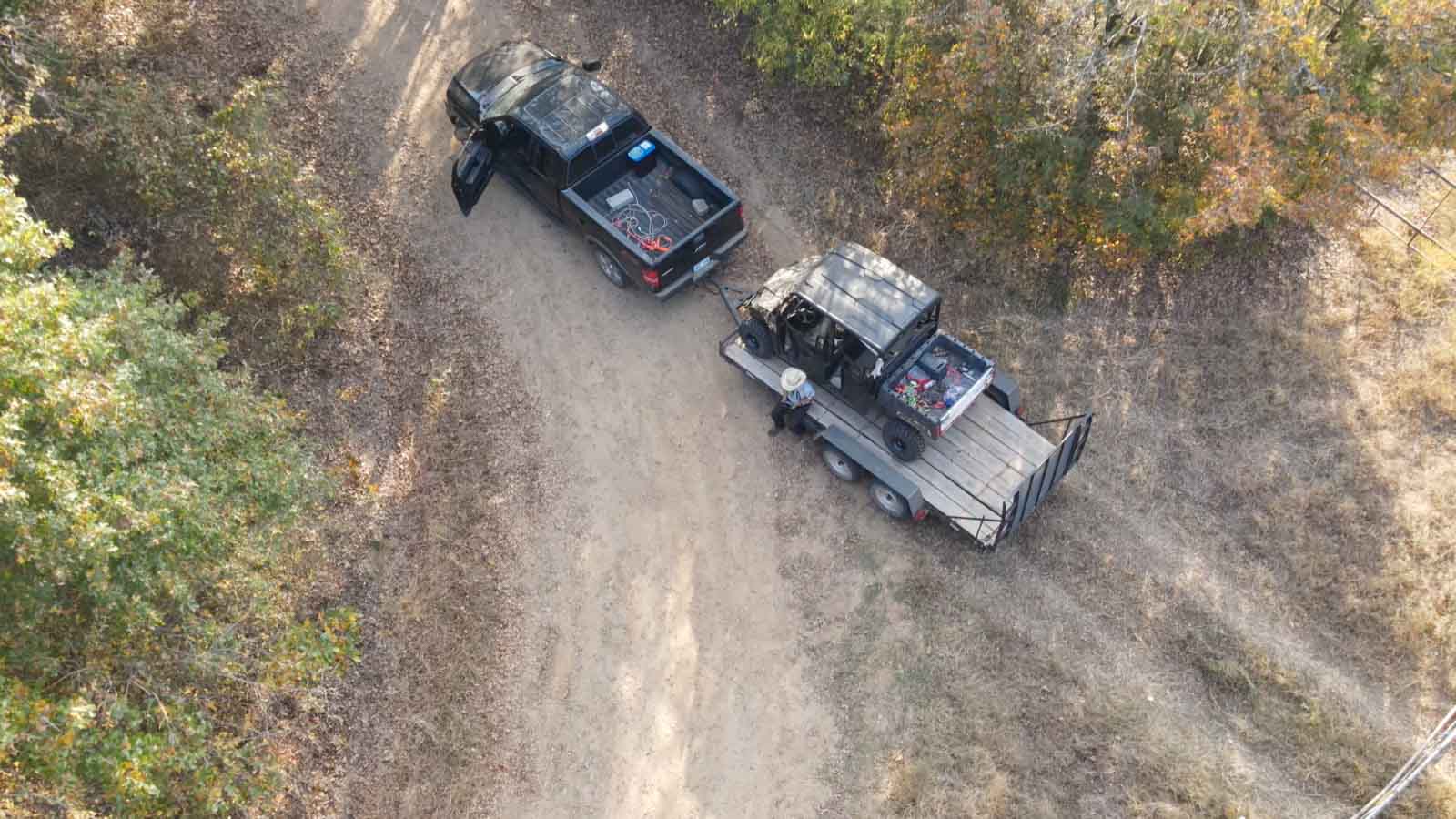
Propane is not just about whether a company can deliver in the area. They also need to physically access the property.
That means buyers should think about:
Driveway condition
Gate width
Distance from road to tank location
Steep or muddy access
Creek crossings
Low-hanging trees
Turnaround space
Whether the property is accessible during wet weather
A beautiful build site tucked far back into the trees may still be workable, but the tank location and delivery route need to make sense.
This is where rural property planning matters. You are not just thinking about where the house looks good. You are also thinking about where utilities, deliveries, septic, driveways, and service access can realistically work.
Common Mistakes Buyers Make
Watch out for these common mistakes.
One common mistake is assuming natural gas will be available because the property is near town.
Sometimes it is but it just as often won’t be.
Another mistake is forgetting to ask whether the propane tank is owned or leased.
This can financially impact you and potentially muddy up a sale.
Buyers also sometimes assume propane delivery will be easy without thinking about the driveway, gate, or future tank location.
None of these are deal killers by themselves, but they are things you want to know before you get too far into the buying process.
Gas and Propane
Before buying land in Oklahoma, try to confirm:
Is natural gas available in the area?
Who is the natural gas provider, if any?
Can the property actually be connected?
Would a line extension be needed?
What fees or costs may apply?
Is propane the better option?
Which propane companies deliver to the area?
Can a propane truck access the property?
Where could a tank be placed?
Would the tank be leased or owned?
What size tank may be needed for the planned use?
Will propane be used for heat, cooking, hot water, or backup power?
Can the provider give any answer in writing?
Seem complicated?
Use a Real Estate Professional Instead
I spend everyday working with the joys and pains that apply to land. I love land, own land, work land, and I would be proud to help you answer any land questions you may have!
Continue Researching Resources for buying land in Oklahoma
How To Confirm Legal Access When Buying Land In Oklahoma
How to see if your land is buildable
How To Check Septic And Sewer Availability On Land In Oklahoma
How To Check Internet And Cell Service On Rural Oklahoma Land
How To Check Utility Easements On Land In Oklahoma