How to Market Land for Sale in Oklahoma
How to navigate marketing land without getting burned.
How to Market Land for Sale in Oklahoma
Selling Land Difference
Selling land is different than selling a house.
With a house, buyers can usually understand the property pretty fast. They see the kitchen, bedrooms, bathrooms, garage, backyard, and neighborhood. With land, it takes more work.
A land buyer is trying to figure out access, boundaries, road frontage, terrain, utilities, build sites, drainage, nearby uses, and whether the property actually fits what they want to do.
That is why land marketing matters.


Clarity Matters
Bad photos can make good land look cheap. A confusing listing can make a usable property feel risky. A missing boundary map can make buyers scroll past before they ever call.
On the other side, clear photos, good maps, clean access, realistic pricing, and honest property details can help buyers understand the land faster.
This guide is mainly for Oklahoma landowners thinking about selling land, especially vacant land, rural acreage, homesite acreage, farm and ranch-style land, recreational land, and basic development land around 5 acres and up.
Commercial Difference
Some of this applies to smaller tracts too, but land under 5 acres can act more like a residential lot depending on location.
Commercial land, industrial land, mixed-use development sites, and high-end specialty properties usually need a more detailed marketing approach. Those buyers often care about zoning, traffic counts, utilities, access points, engineering, site constraints, nearby growth, and highest and best use.
This page is mostly focused on normal acreage sellers who want to understand what good land marketing should look like before going to market.
If you are thinking about selling land and want a practical opinion before you list, ask what I would change before listing your land.

Why Land Marketing Is Different Than Home Marketing
Land is harder to understand online than a house.
A house has rooms. Land has possibilities.
That sounds good, but it also means buyers need more help understanding what they are actually looking at.
Land Buyers Need More Context
Most land buyers are asking questions like:
Can I get to the property?
Where are the boundaries?
Is the land flat, rolling, wooded, open, wet, rough, or usable?
Is there a pond, creek, pasture, timber, trail system, or fencing?
Is it on a paved road, gravel road, county road, or private road?
Can I hunt it, build on it, run livestock, split it, hold it, or develop it?
If your listing does not help answer those questions, buyers start guessing.
When buyers have to guess, they usually assume more risk.
The Goal Is Buyer Confidence
Good land marketing is not just about making the property look pretty.
It is about helping buyers feel like they understand it.
Pretty photos help. But clarity is what gets serious buyers to take the next step.
The better your listing explains the land, the easier it is for buyers to decide if it is worth seeing in person.
The First 10 Seconds Matter
A lot of land sellers underestimate how much the first impression matters.
The entrance, gate, driveway, sign, and road frontage can shape how a buyer feels before they ever walk the property.
If the first thing they see is a grown-up entrance, confusing gate, no sign, trash, rough access, or nowhere obvious to park, the showing starts with doubt.
That does not mean the land is bad.
It means the buyer’s first impression is working against the property.
Clean Up the Entrance Before Photos
Before photos, focus on the first things buyers will see.
Mow the entrance if needed. Pick up trash. Trim limbs around the gate. Make the access point obvious. Make sure a sign is visible from the road.
If the entrance gets muddy or soft, a small amount of gravel may help.
This does not have to be expensive. Sometimes a half-day of cleanup can make a property feel much easier to understand.
Do Not Over-Improve the Property
Sellers do not always need to gravel the whole property, cut every trail, build a pad site, or spend a bunch of money guessing what the next buyer wants.
That can backfire.
The better goal is to remove obvious friction.
Make the entrance clean. Make the access clear. Make the property easy to find. Make the showing experience simple.
Do enough to help the property show well without spending money that may not come back.
Bad Photos Can Make Good Land Look Cheap
Photos are one of the first filters buyers use.
If the photos are blurry, vertical, dark, repetitive, or confusing, buyers may assume the property is worse than it is.
A good tract of land can get ignored simply because the marketing does not explain it well.
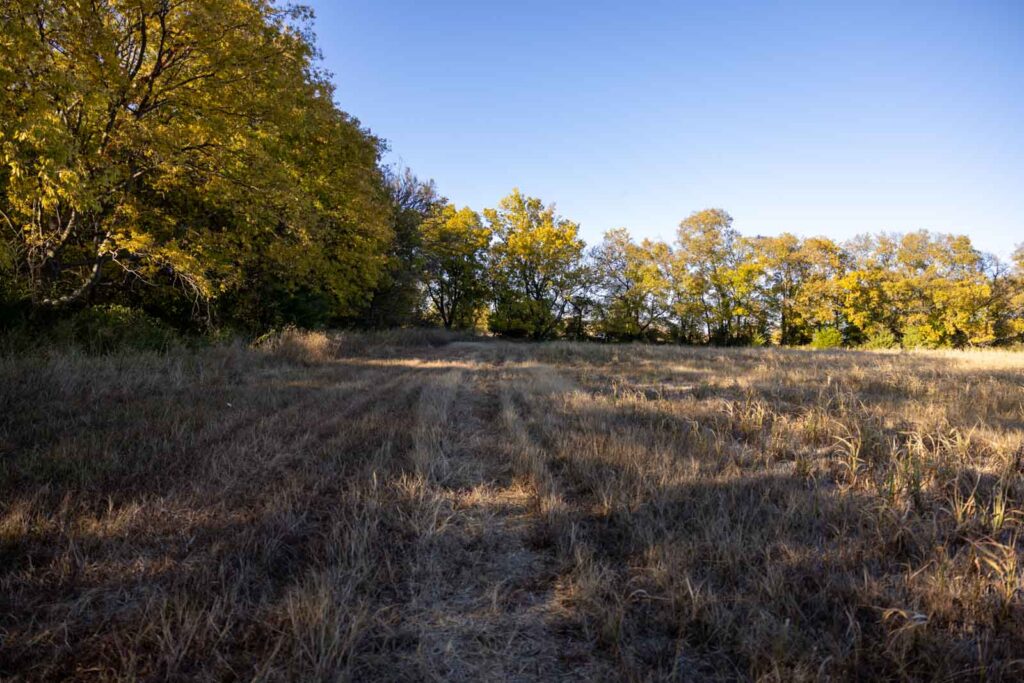
Shoot Horizontal Photos
For listing photos, shoot horizontal.
Do not shoot vertical photos unless there is a specific reason.
Most MLS displays, real estate websites, land platforms, and property search pages show horizontal photos better. Vertical photos often feel awkward and leave too much empty space.
If you are taking photos with your phone, turn the phone sideways.
That one simple step can make the listing look more professional.
Use Wide-Angle Carefully
On an iPhone, the 0.5 wide-angle setting can help show more of the land.
It works well for pasture, trails, road frontage, ponds, tree lines, and wide open areas.
Just do not overdo it. If the photo starts looking distorted, back up and take a cleaner shot.
A good rule of thumb is to keep the photo around 30 to 40 percent sky and 60 to 70 percent ground.
Sellers often show too much sky. Buyers are not buying the sky. They need to see the land.
A Simple Photo Standard for Land Listings
Not every land listing needs 100 photos.
More photos are not automatically better, especially if they are repetitive or confusing.
But acreage usually needs enough photos for buyers to understand the property before they drive out.
Bare Minimum Photo Set
For many acreage listings, a simple bare minimum photo set would be:
One clear entrance photo
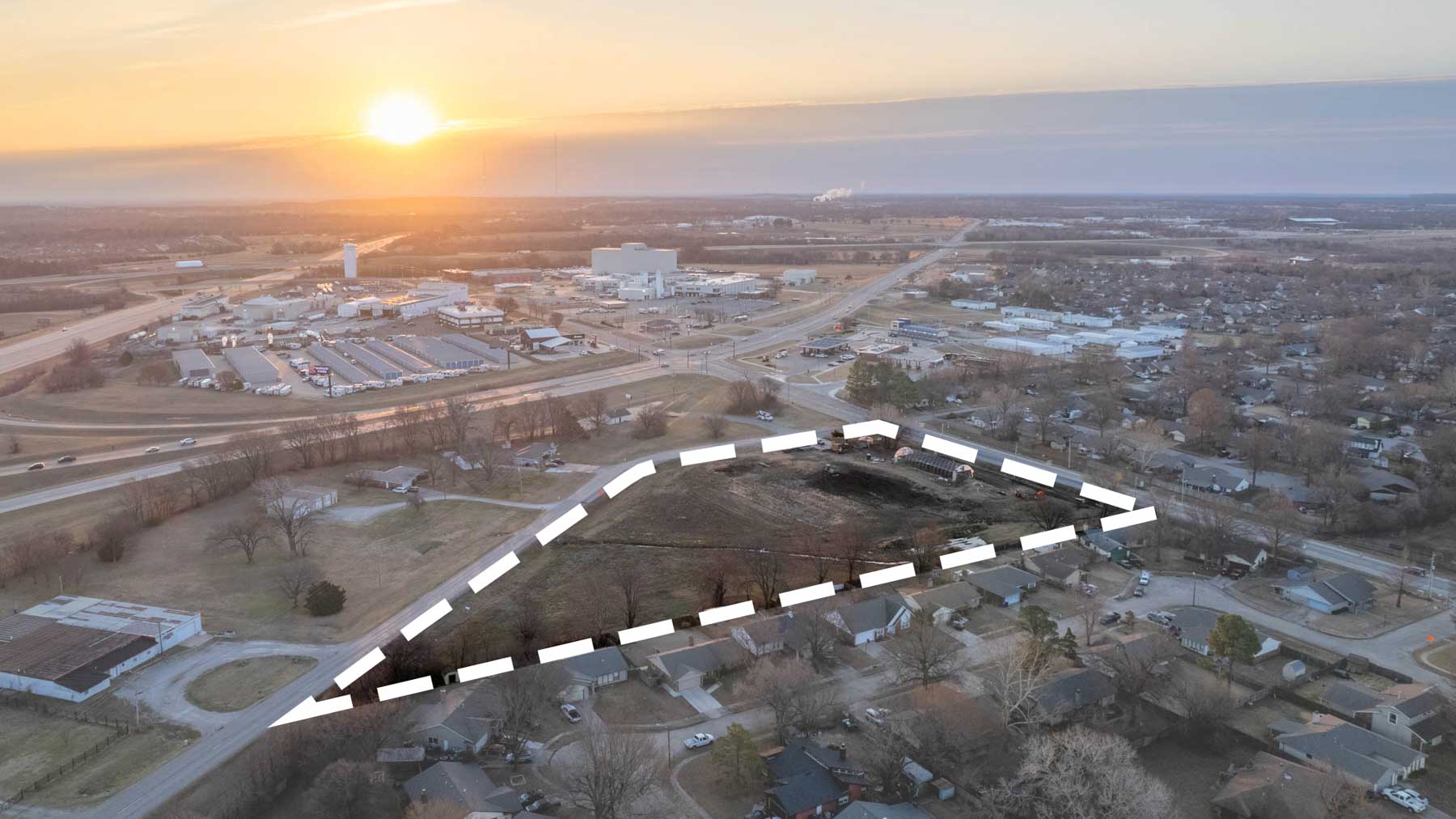
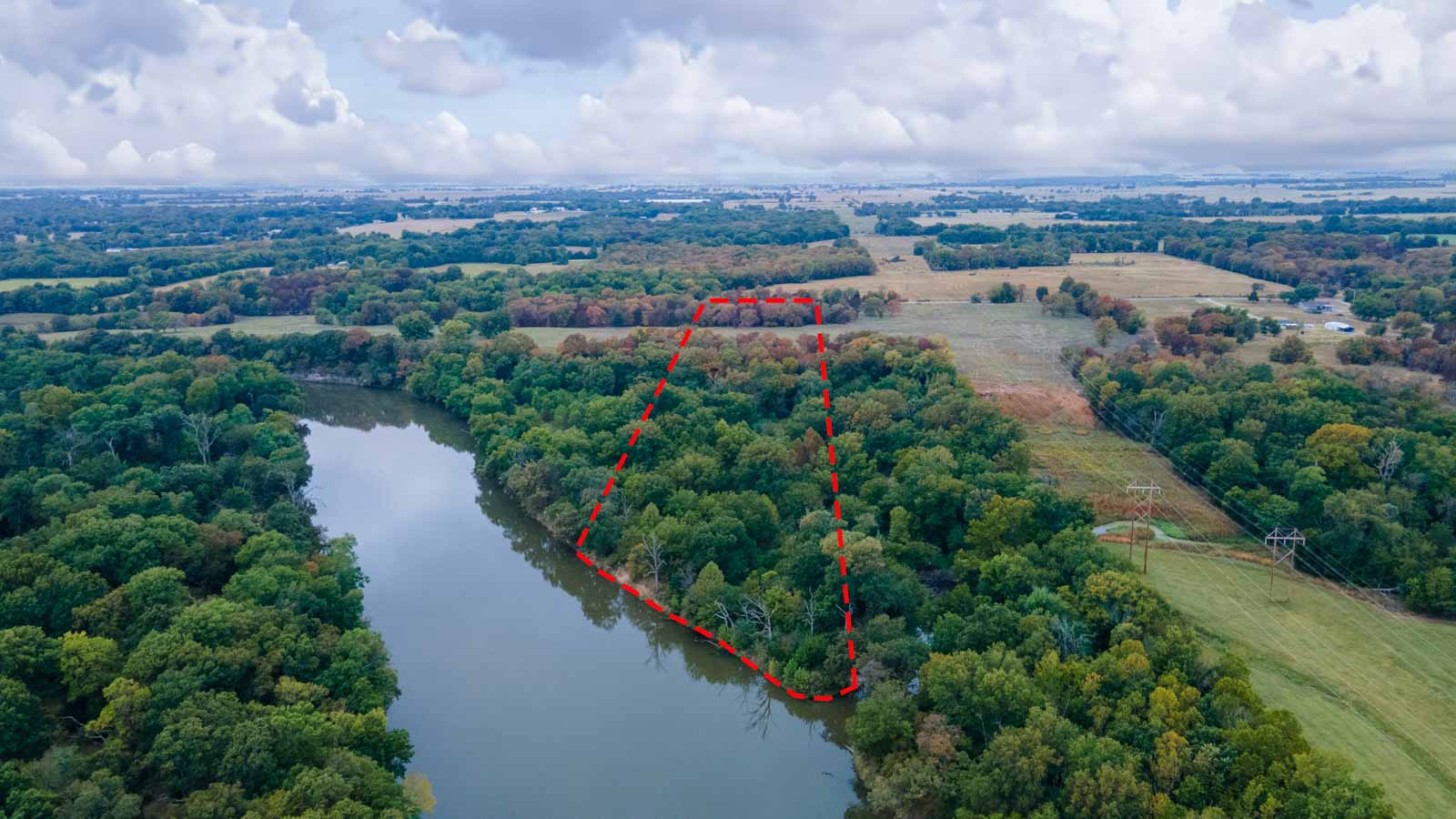
One aerial boundary image
5 to 10 drone photos
20 to 30 ground photos
That is not a hard rule for every property, but it is a strong starting point.
A simple 5-acre tract may not need as many photos as an 80-acre recreational property. But most land listings need more than a few random pictures from the road.
What the Photos Should Show
Photos should show the parts of the property buyers actually care about.
That usually includes the entrance, road frontage, open ground, timber, trails, pond or creek, fencing, gates, usable build areas, and any improvements.
Ground photos show what it feels like to stand on the property.
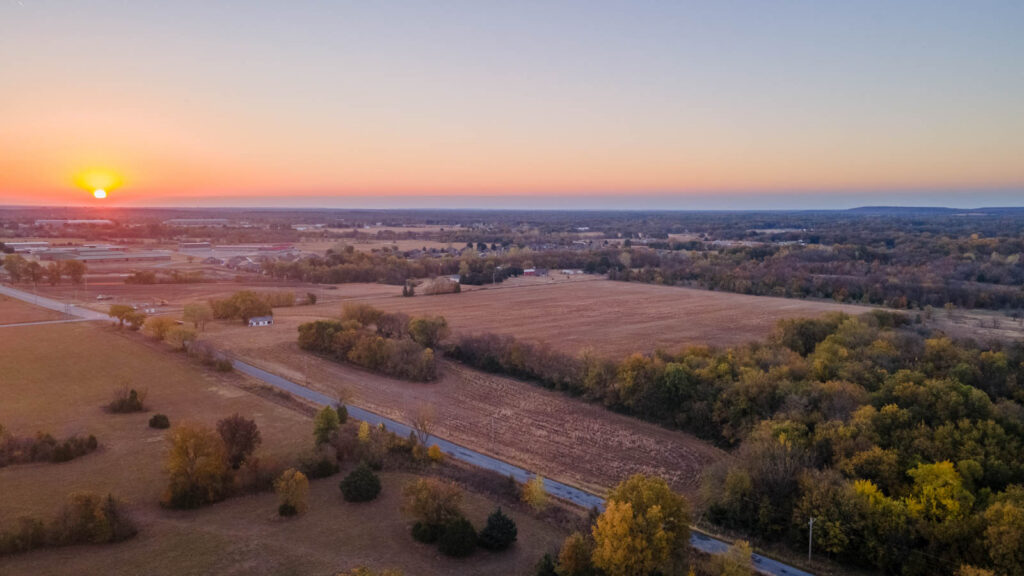
Drone photos show how the land lays.
The best land listings usually use both.
Why Drone Photos Matter for Land
Drone photos are especially useful for land because they show context.
A buyer can see where the road is, where the entrance is, where the timber starts, where the open ground sits, and how the property connects to the surrounding area.
Ground photos alone can make it hard to understand shape and layout.
Drone photos alone can feel disconnected and too far away.
A good mix helps the buyer understand both the look and the layout.
Do Not Just Show Random Pretty Angles
Drone photos should not only be pretty.
They should explain the property.
Show the road. Show the entrance. Show the full layout. Show water features. Show open areas. Show timber. Show neighboring land use when it helps.
If a drone photo looks good but does not help the buyer understand the property, it may not be doing much.
What Tulsa MLS Land Photo Data Shows
I reviewed a Tulsa MLS 5+ acre land export to get a practical look at how land listings were being marketed locally.
This should not be treated as a universal statewide study.
It is simply a local MLS export that can help sellers understand what is common in the market.
Active 5+ Acre Land Listings
The active dataset included 1,300+ active 5+ acre land listings.
The average active listing had 20.26 photos.
The median active listing had 15 photos.
There were 21 active listings with 0 photos.
Closed 2025 5+ Acre Land Sales
The closed sales dataset included 1,240+ closed 2025 land sales.
Those closed sales averaged 18.84 photos.
The median closed sale had 13 photos.
There were 93 closed sales with 0 photos.
What That Data Actually Means
The data did not prove that more photos alone made land sell faster.
Higher-photo-count listings were often larger, higher-priced, or more complex properties.
That makes sense.
An 80-acre tract usually needs more visual explanation than a 10-acre tract. A property with ponds, trails, timber, pasture, multiple access points, or development potential may need more photos than a simple square parcel with road frontage.
The right takeaway is not “more photos always sell land faster.”
The better takeaway is this:
Land needs the right photos.
Good land marketing should show access, terrain, road frontage, usable areas, water features, trails, boundaries, utility context, neighboring property uses, and the overall layout of the land before a buyer schedules a showing.
Pricing and Positioning Matter More Than Photo Count
Marketing helps.
But marketing will not save a badly overpriced property.
In the Tulsa MLS 5+ acre land sales data I reviewed, pricing position was one of the strongest practical signals.
The Strongest Pattern in the Data
In the cleaned 2025 timing dataset, listings that sold at or above list price went pending in a median of 12.5 days.
Listings that sold 10 percent or more below list price took a median of 71 days to go pending.
That does not mean every property should be priced low.
It means the market pays attention to value.
Buyers Compare Similar Properties
A simple rule applies to both houses and land.
If a buyer is comparing two similar properties, they often lean toward the cheaper one.
That does not mean your property has to be the cheapest.
It means your property needs to make sense compared to the competition.
If your land is priced higher, the listing needs to show why.
Better access, better location, better utilities, better terrain, better road frontage, better build sites, better water features, better timber, better pasture, or better development potential can all matter.
But if those advantages are not shown clearly, buyers may only see the price.
Marketing and Pricing Have to Work Together
Strong marketing can help justify value.
It can make the land easier to understand. It can make the property feel less risky. It can help the right buyer see the opportunity.
But marketing cannot magically make buyers ignore the rest of the market.
If the photos, maps, description, access, and price are all working together, the listing has a much better chance.
The DIY or FSBO Version
Some landowners want to test the market themselves before hiring an agent.
That is understandable.
If you are trying to market land yourself, the goal should be simple: make the property easy to understand.
Do not try to make the listing sound fancy. Try to make it clear.
Start With Simple, Clear Photos
Take horizontal photos.
Use decent lighting.
Show the entrance, road frontage, open ground, timber, trails, fencing, gates, ponds, creeks, and any usable build areas.
Do not take five photos of the same tree line and call it good.
Buyers need to understand the property, not just see that grass and trees exist.
Use a Basic Boundary Visual
Use Google Maps or your county assessor page to help show the parcel.
If you can create a clean aerial boundary image, that is better.
If not, even a screenshot from the county assessor page showing the parcel can help buyers understand what is being sold.
A boundary image does not replace a survey.
But from a marketing standpoint, it gives buyers a starting point.
Keep the Description Clear
The listing description should be clear before it is clever.
Mention the acreage, location, road frontage, access, known utility information, terrain, water features, build potential if known, and anything that makes the land useful.
Avoid vague filler.
Buyers do not need five paragraphs about “endless possibilities” if the listing does not tell them whether there is access or electric nearby.
Be Careful With AI Listing Copy
I generally recommend being careful with AI-written listing descriptions.
AI can help organize thoughts, but it can also make a listing sound fake fast.
Buyers can tell when a description is full of fluffy phrases and does not answer basic questions.
If you use AI to help, read the final description out loud.
If it sounds robotic, overdone, or too polished for the property, clean it up.
Be Careful With What You Claim
Land listings need to be honest.
This is not just about being ethical. It also helps avoid creating problems during negotiation, inspections, title work, or closing.
Do Not Overpromise
Do not overpromise utilities, buildability, hunting quality, subdivision potential, commercial potential, or unrestricted use unless those things have actually been verified.
If electric appears to be at the road, say it appears to be at the road and should be verified with the provider.
If rural water may be nearby, say it should be confirmed with the rural water district or provider.
If the land may be buildable, buyers still need to verify requirements with the county, city, DEQ, utility providers, surveyor, or other proper sources depending on the property.
Watch Fair Housing Wording
Sellers should also be careful with wording that could create fair housing concerns or imply preferences about the type of buyer.
Keep the copy focused on the property.
Talk about the land, access, utilities, location, terrain, improvements, and use potential.
Avoid wording that describes who should live there or what kind of person the property is “perfect for” in a way that could create issues.
Maps and Boundary Visuals Build Trust
A land buyer needs to know what they are looking at.
A listing with no boundary visual can be frustrating. Buyers may like the photos, but if they cannot tell where the property starts, where it ends, what road it touches, or how it lays, they may move on.
Buyers Need to Understand the Parcel
A simple aerial boundary image can go a long way.
It helps buyers understand the general shape and layout of the property.
It can also help them understand road frontage, access, nearby properties, ponds, creeks, timber, pasture, and the surrounding area.
A Boundary Image Is Not a Survey
A marketing boundary image is not the same thing as a survey.
That needs to be clear.
For serious due diligence, surveys and title work matter. But from a marketing standpoint, a boundary image helps buyers make sense of the listing faster.
The more complicated the property is, the more maps matter.
Make the Property Easy to Show
Good marketing does not stop at photos and descriptions.
A property can look good online and still lose momentum if showings are confusing.
Clear Access Helps Buyers and Agents
Before marketing land, think through the showing experience.
Is the entrance obvious?
Is there a sign?
Can buyers safely pull in?
Is the gate locked?
If so, does the showing agent know how to access it?
Are there cattle, dogs, rough trails, washed-out areas, or places people should avoid?
Can someone understand where to walk or drive?
Good showing instructions matter.
So does making the first part of the property feel approachable.
Confusion Creates Hesitation
For land, confusion creates hesitation.
If buyers or agents feel unsure about access, boundaries, parking, gates, or where to go, the property starts losing momentum.
The easier it is to show, the better chance the property has of being taken seriously.
What Makes Land Easier to Sell Online
The land listings that make the most sense online usually have the same basic pieces in place.
They have clear access.
They have enough photos.
They have a decent boundary map.
They explain road frontage.
They give utility context without overpromising.
They show the land from both the ground and the air.
They make the entrance easy to recognize.
They are priced in a way that makes sense against the competition.
They give buyers a reason to believe the property is worth seeing in person.
Simple Properties Still Need Clarity
A 10-acre tract with good access may not need the same marketing package as an 80-acre recreational property with ponds, trails, timber, pasture, and multiple use cases.
But the 10-acre tract still needs clear photos, access information, a boundary visual, and honest utility context.
Simple does not mean sloppy.
Property Prep Before Photos
A little prep can make a big difference.
This is especially true around the entrance.
Focus on the First Impression
If the entrance is grown up, muddy, blocked, or hard to recognize, buyers may start with a negative impression.
Mowing the entrance, cleaning up trash, trimming limbs, fixing a gate, placing a sign clearly, or adding a small amount of gravel where needed can make the property feel more usable.
That does not mean the property has to look perfect.
It just needs to look understandable and accessible.
Spend Money Carefully
Over-improving land before listing can be a mistake.
You do not always need to gravel a long driveway, clear the whole property, build trails everywhere, or create a homesite pad before knowing what the likely buyer wants.
The practical goal is to make the property easier to understand and easier to access without spending money that may not come back.
Neighbor Outreach Can Be Worth Considering
Neighbors are often some of the best people to contact before or during the marketing process.
They already know the area. They may want more land, more privacy, control over what happens next door, or room for family.
Even if they are not interested, they may know someone who wants to live nearby.
Letters Are Usually the Cleanest Option
Letters are often the simplest way to reach nearby property owners.
Phone calls or texts can make sense if you already have their number and have an existing relationship with them.
This needs to be handled respectfully. Nobody wants to feel pressured by a neighbor or random seller.
A Neighbor May Expect a Deal
The tradeoff is price.
A neighbor may be convenient, but they may also expect a better deal because they know they are an easy buyer.
That does not make neighbor outreach bad.
It just means the seller should compare that option against what broader MLS and online exposure could potentially bring.
Sometimes a neighbor sale is the best outcome because it is simple, fast, and lower hassle.
Other times, going fully to market creates a better net result.
Facebook Can Create Attention, But Also Noise
Facebook can be useful for land marketing, but sellers need to be realistic.
A good Facebook post can get attention quickly, especially if the property has strong photos, a clear price, a good location, and an easy-to-understand use.
Local groups and social sharing can help spread the word.
Expect Tire-Kickers
Facebook also brings tire-kickers.
You may get people asking if it is still available, people who have not looked at the location, people who do not have financing, people asking for owner finance immediately, spam messages, and buyers who like the idea of land but are not actually ready to buy.
That does not mean Facebook is worthless.
It means Facebook should be one part of the marketing plan, not the whole plan.
Seller Financing Questions Are Common Under $100K
FSBO sellers should be ready for seller financing questions, especially on lower-priced land.
From what I often see, properties under $100,000 tend to attract a lot of owner finance questions.
Buyers in that price range may ask about seller financing before they ask about anything else.
That does not mean a seller has to offer it.
It just means sellers should decide ahead of time whether they are open to that conversation or whether they only want cash or bank-financed buyers.
If a seller is not prepared for those questions, the inquiry process can get frustrating fast.
Where Land Can Be Marketed Online
Different platforms reach different buyers.
A 5-acre homesite, a 40-acre recreational tract, an 80-acre farm, and a commercial corner should not all be marketed the exact same way.
MLS
The MLS can matter because it puts the property in front of agents and buyers already searching through real estate channels.
It also helps make the property easier for buyer agents to find, send, save, and show.
For land, buyer agent usability matters. If another agent can understand the listing quickly, they are more likely to send it to the right buyer.
Land.com, LandWatch, and LandSearch
Land.com, LandWatch, and LandSearch can help reach buyers specifically looking for land.
These buyers may be searching for acreage, hunting land, recreational property, homesites, farmland, ranch-style property, or investment land.
These platforms can be especially helpful when the property has strong photos, a good map, clear access, and a use case buyers can quickly understand.
Zillow
Zillow can still matter because many consumers start there, even when the property is land.
It may not explain land as well as a true land platform, but it can still create visibility.
A clean listing with strong photos and a clear description matters here because buyers may be quickly scrolling through many options.
Facebook can create local awareness and quick attention.
It can also create noise.
It is useful, but it should not replace MLS exposure, land platforms, good photos, good maps, and proper buyer follow-up.
CREXi for Commercial or Development Land
CREXi can be useful when the property has a commercial or development angle.
That said, this guide is not mainly about commercial land.
Commercial land often needs more detailed information, including zoning, traffic counts, utilities, road frontage, nearby growth, access, and highest and best use.
If the land is truly commercial or development-oriented, the marketing needs to be more specific.
Buyer Agents Need Clarity Too
Marketing is not only for the buyer.
It is also for the buyer’s agent.
A good listing makes it easier for another agent to understand the property, answer basic questions, schedule a showing, and explain the opportunity to their client.
If the agent has to call five times just to understand access, utilities, boundaries, and showing instructions, the listing is already creating friction.
This matters because many buyers rely on their agent to help sort through options.
If another property is easier to understand and easier to show, that property may get attention first.
Clear marketing helps everyone involved.
When a Listing Sits, the Marketing May Need a Reset
If land has been sitting for 45 to 90 days with weak activity, it may need a second look.
That does not always mean the price is wrong, but price is usually part of the conversation.
It may also mean the listing is not answering the buyer’s first questions.
New Photos May Help
Sometimes a property needs new photos.
This is especially true if the original photos were dark, muddy, too seasonal, too repetitive, or did not show the best parts of the land.
Better entrance photos, better road frontage photos, and better drone shots can change how buyers see the property.
Better Maps May Help
If buyers cannot tell what is being sold, a better map may help.
A clearer boundary visual, aerial view, or property layout image can reduce confusion.
This is especially true for irregular tracts, wooded land, properties with multiple access points, or land with mixed terrain.
Rewritten Copy May Help
Some listings are too vague.
Some are too fluffy.
Some bury the important details.
A better description can help buyers understand access, utilities, terrain, location, and use potential faster.
A Price Review May Be Needed
If the listing is getting views but no serious activity, pricing may need to be reviewed.
The question is not just “What do I want?”
The question is “How does this property compare to the other options buyers are seeing right now?”
FSBO Savings Versus Net Result
Selling by owner can look cheaper upfront.
If you do not pay a listing agent, it feels like you are saving money.
Sometimes that works. A seller may already know the buyer, have a simple property, have a clean title situation, and be comfortable handling the process.
But the real question is not only, “How much commission can I avoid?”
The better question is, “What is my likely net result, risk, and hassle?”
Saving Commission Does Not Always Mean Saving Money
Poor photos, weak exposure, bad pricing, limited buyer follow-up, unclear terms, poor negotiation, or a discounted neighbor sale can leave money on the table.
A FSBO seller may save commission but still net less if the property is under-marketed, mispriced, poorly negotiated, or sold too cheaply to the easiest buyer.
That does not happen every time.
But it happens enough that sellers should think through the whole picture.
Contract and Negotiation Issues Matter
Land contracts can get more complicated than sellers expect.
Surveys, title issues, access, utility questions, financing, inspection periods, closing timelines, and buyer expectations can all affect the deal.
An agent who understands land can help protect the seller through more than just marketing.
That includes negotiation, buyer qualification, contract terms, and keeping the deal moving toward closing.
Vendor Connections Can Save Time
Land sales often involve more than photos and a sign.
A seller may need help with cleanup, mowing, land clearing, drone photography, professional photos, signage, surveyors, title companies, or access improvements.
When I help sellers market land, part of the value is helping think through those details before buyers turn them into objections.
When I Help Sellers Market Land
When I help sellers market land, I am looking at the whole property presentation.
Not just the listing.
The land itself, the access, the entrance, the photos, the pricing, the maps, the competition, the buyer pool, and the likely objections all matter.
I Look at How the Property Shows Online
Does the first photo make sense?
Can buyers understand the entrance?
Do the drone photos explain the layout?
Is there a boundary visual?
Does the description answer the obvious questions?
Does the property look competitive against similar listings?
If the online presentation is weak, buyers may never get to the showing stage.
I Look for Friction Before Buyers Find It
Land buyers notice problems quickly.
If the access is confusing, the entrance is rough, the photos are weak, the utility information is vague, or the price does not match the market, buyers feel it.
My goal is to catch those issues before the listing goes live when possible.
That does not mean every issue can be fixed.
But many can be explained, improved, photographed better, or handled more clearly in the marketing.
I Look at the Likely Buyer
Not every land buyer wants the same thing.
A homesite buyer may care most about access, utilities, build sites, school district, and nearby homes.
A recreational buyer may care more about timber, trails, water, wildlife, and privacy.
A farmer or rancher may care about grass, fencing, water, soil, and layout.
An investor may care about price, exit options, growth, and demand.
A developer may care about utilities, road frontage, zoning, access, and surrounding growth.
Good marketing should speak to the most likely buyer without overpromising the property.
Surveys and Title Companies
Land buyers often ask about surveys.
Not every seller has to order a survey before listing, but surveys are commonly requested or needed depending on the property, buyer, lender, title situation, boundary clarity, and contract terms.
If the boundaries are confusing or the property is being split, a survey may become a much bigger part of the conversation.
Use a Reputable Title Company
FSBO sellers should also understand that a reputable title company matters.
Title work, deed preparation, payoff issues, liens, ownership questions, and closing details need to be handled correctly.
Even if the buyer and seller agree on price, the transaction still needs to close cleanly.
Land can look simple from the outside, but the paperwork and due diligence can get complicated fast.
Legal Access, Utilities, and Buildability Still Need Verification
Marketing should help buyers understand the property, but it should not replace due diligence.
Legal access, physical access, utility availability, restrictions, floodplain issues, zoning, septic feasibility, and buildability all need to be verified when relevant.
I have a separate guide on legal access because it is one of the most important land issues buyers and sellers need to understand.
For marketing purposes, sellers should say what they know, avoid guessing, and avoid making promises that have not been confirmed.
Good marketing creates interest.
Good verification protects the transaction.
Cheap Marketing Versus Good Marketing
Cheap marketing is usually just putting the property online and hoping the right buyer figures it out.
Good marketing makes the property easier to understand.
That difference matters.
If a buyer cannot tell where the entrance is, what the boundaries are, how the property lays, whether utilities are nearby, or why the price makes sense, the property may not get a fair look.
Good marketing does not have to be flashy.
It needs to be useful.
For Oklahoma land, useful marketing usually means clear ground photos, drone photos, a boundary map, honest utility context, clean access, good showing instructions, realistic pricing, and enough property detail to help serious buyers take the next step.
When It Starts Making Sense to Use a Land Agent
At some point, many sellers realize the cost of doing it right starts adding up.
Photography costs money.
Drone work costs money.
Signs cost money.
Land platforms can cost money.
Ads can cost money.
Mapping tools can cost money.
Cleanup, gravel, mowing, and access work can cost money.
Then there is the time spent answering questions, screening buyers, setting showings, handling tire-kickers, reviewing terms, negotiating, and keeping the deal together.
For some sellers, doing it themselves still makes sense.
For others, the better move is hiring someone who already works through those issues.
A Land Agent Should Help With More Than Exposure
When I help sellers market land, I am looking at the whole picture.
How does the property show online?
How does it compare to competing listings?
What does the entrance look like?
Are the photos helping or hurting?
Is the pricing creating interest or pushing buyers away?
Are we making the property easy for buyers and agents to understand?
Are there utility, access, survey, title, or showing issues that need to be addressed early?
That is where land marketing becomes more than just taking pictures.
Final Thoughts on Marketing Land for Sale in Oklahoma
Land marketing is not about making a property look like something it is not.
It is about showing the right things clearly enough that buyers can understand the opportunity.
For most Oklahoma land sellers, that means good horizontal photos, a mix of ground and drone shots, a clear entrance, clean access, a boundary visual, practical utility information, honest listing copy, realistic pricing, and a plan for getting the property in front of the right buyers.
The Tulsa MLS 5+ acre data I reviewed showed active land listings averaged about 20 photos and closed 2025 land sales averaged about 19 photos.
But the bigger lesson was not that more photos automatically sell land faster.
The bigger lesson is that land needs clarity, and pricing position matters.
Buyers need to understand what they are looking at. Sellers need to understand how their property compares to the market. And the listing needs to make the land easy to evaluate before the buyer ever steps foot on it.
If you are thinking about selling land in Oklahoma and want a practical opinion before you go live, ask what I would change before listing your land. I’d be happy to help. Let’s talk!
Seller links
Selling Land in Oklahoma Guide
How To Improve Land Before Selling In Oklahoma
How To Market Land For Sell In Oklahoma
Selling a Home
Selling Vacant Land
Selling Commercial
Selling Farm Ranch
Selling New Construction
Broken Arrow Real Estate Agent
Tulsa Real Estate Agent
Areas I Serve Across Oklahoma
Commercial Land in Broken Arrow
Media
Contact Me
Buyer Links
Buying Land In Oklahoma Guide
How To Confirm Legal Access When Buying Land In Oklahoma
How To Confirm Rural Water
How to confirm electric
How to confirm utilities
How to see if your land is buildable
How To Check Septic And Sewer Availability On Land In Oklahoma
How To Check Internet And Cell Service On Rural Oklahoma Land
How To Check Utility Easements On Land In Oklahoma
Gas And Propane Availability On Land In Oklahoma