
Can you build on land in oklahoma?
How to navigate building on land in Oklahoma without getting burned.
“Don’t wait to buy land, buy land and wait” – Will Rogers
Trying to find a specific section? Filter by category below!
Each section will include a summarized version of the different processes or things to know about learning if land is buildable in Oklahoma. Some sections also have links to additional resources or pages for more info.
Buying land in Oklahoma can be a great move, but it is not the same as buying a house.
With a house, most of the major questions have already been answered. You usually know where the driveway is, how the utilities work, where the water comes from, and what structure you are buying.
Yes, you can build on a lot of land in Oklahoma, but not every tract is automatically ready for a house, mobile home, barndominium, cabin, or future homesite.
Before you buy, you need to look at more than just the price, acreage, and photos. Buildability depends on things like access, water, electric, septic or sewer options, floodplain, topography, deed restrictions, surveys, and the real cost of making the land usable.
I help buyers look through these issues all the time, especially around northeastern Oklahoma. The goal is not to scare you away from buying land. The goal is to help you avoid assuming a property is ready to build on when there are still important things that need to be confirmed.
If you want the bigger picture on buying land, you can also read my full Buying Land in Oklahoma Guide.

Not Every Piece of Land Is Ready to Build On
Land can look simple online.
A listing might show pretty trees, open pasture, a pond, a gravel road, or a nice aerial photo. But that does not always mean the property is ready for what you want to do with it.
Some issues are normal and can be handled with money, planning, or contractors. Things like clearing, a driveway, a culvert, gravel, a gate, or basic site prep are common on rural land.
Other issues are more serious. No legal access, major floodplain, bad topography, deed restrictions, lack of water options, or a creek crossing required to reach the build site can change the whole deal.
That is why I like to slow buyers down before they fall in love with a tract. Pretty land and usable land are not always the same thing.
Start With What You Want to Build
The first question is simple:
What are you actually trying to do with the property?
A buyer wanting a custom home may need different things than someone wanting a mobile home, barndominium, weekend cabin, or long-term investment tract.
Common uses include:
House site
Mobile home
Barndominium
Cabin
Future homesite
Small acreage property
Land split or investment tract
Recreational land with a future build plan
The intended use matters because some properties may work well for one buyer and not work at all for another.
For example, a wooded tract might be great for hunting or recreation, but more expensive if you need to clear a build site, add a driveway, bring in utilities, and make room for septic.
How I First Look at Buildability
When a buyer sends me a land listing and asks if they can build on it, I usually do not start with the pretty pictures.
I start by looking for the things that could make the property hard to use.
A lot of the time, I start with mapping tools like ID.Land, OnX, county assessor maps, Google Maps, and other available public information. I am looking for floodplain, steep topography, thick timber, wetlands, creeks, ponds, drainage issues, and whether there is any obvious build site.
Some of these items can be checked pretty quickly before making an offer. Other items usually need to be confirmed during the inspection or due diligence period.
Before an offer, I may be able to get a feel for:
Floodplain
Topography and contours
Obvious road frontage
Basic access concerns
Heavy timber or clearing needs
Visible water features
Public deed restrictions if available online
Possible rural water clues through OWRB
Whether there is an obvious build site
During due diligence, buyers usually need to go deeper into:
Survey needs
Rural water tap confirmation
Electric provider and quote
Septic feasibility
Full deed restrictions and covenants
Title and easement review
Lender requirements
Final improvement cost estimates
That is one reason land contracts need enough time for inspections. A 10-day inspection period is often the bare minimum. A lot of the time, 14 days makes more sense. On more expensive or complicated properties, 21 days or longer may be worth discussing if there are several items to confirm.
Check Restrictions Before You Assume Anything
A lot of buyers assume that if land is zoned agricultural or outside town, they can do whatever they want.
That is not always true.
Even if a property is outside city limits, it can still have deed restrictions, covenants, easements, access limitations, floodplain issues, lender requirements, or utility limitations that affect what you can actually do.
Restrictions can control things like:
Minimum home size
Mobile homes
Barndominiums
Commercial use
Livestock
Short-term rentals
Number of homes
Building materials
Setbacks
Road maintenance
Shared driveways
If restrictions are publicly available online, I like to review them early. If they are not available upfront, they need to be reviewed during due diligence or through the title process.
The big thing is this: do not assume “rural” means unrestricted.
Confirm Water Before You Count on It


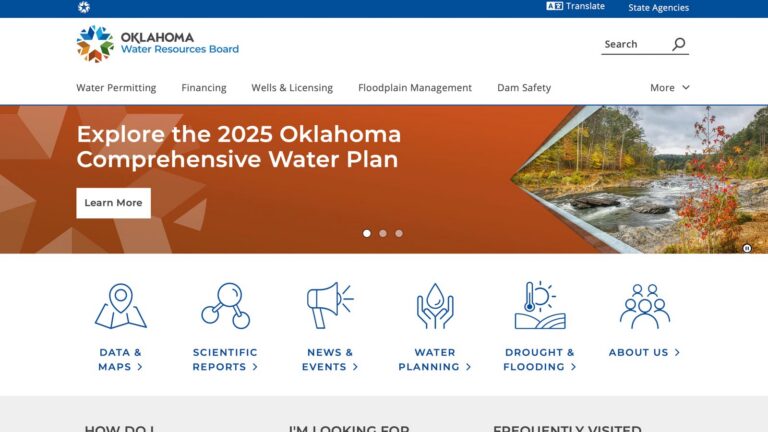
Water is one of the biggest things buyers need to verify.
A rural water line at the road does not mean you can automatically get a meter. It might only mean that the line exists nearby.
That does not answer whether a tap is available, what it costs, whether the provider has capacity, how far the line would need to be extended, or whether they will actually serve the exact tract you are buying.
This is where listing language can be misleading.
If a listing says “rural water available,” that should be treated as a clue, not a guarantee. The buyer still needs to confirm it with the provider.
If there is no rural water available, a well may be an option. But that needs to be researched too. If I do not see many nearby wells on the OWRB well viewer, that does not automatically mean a well is impossible, but it is a reason to slow down and ask more questions before assuming the land can support a home.
For the full breakdown, read my How to Check Rural Water Availability on Land in Oklahoma page.
You can also read my broader How to Confirm Utilities on Land in Oklahoma guide. Or check out the Oklahoma Water Resources Board Page
Confirm Electric Before You Rely on Nearby Poles
Electric can be another area where buyers assume too much.
Power poles nearby can be a good sign, but nearby does not always mean easy, cheap, or approved.
The farther the build site is from existing service, the faster it can get complicated. Thick timber, long driveways, rough terrain, easements, and meter location can all affect how easy or expensive electric service may be.
Sometimes the pole you see is not the right pole. Sometimes service needs to come from a different direction. Sometimes a provider may need a site plan, meter location, easement, or quote before anyone knows what the real cost looks like.
This is especially important if the best build site is set far back from the road.
For more details, read my How to Check Electric Availability on Land in Oklahoma page.
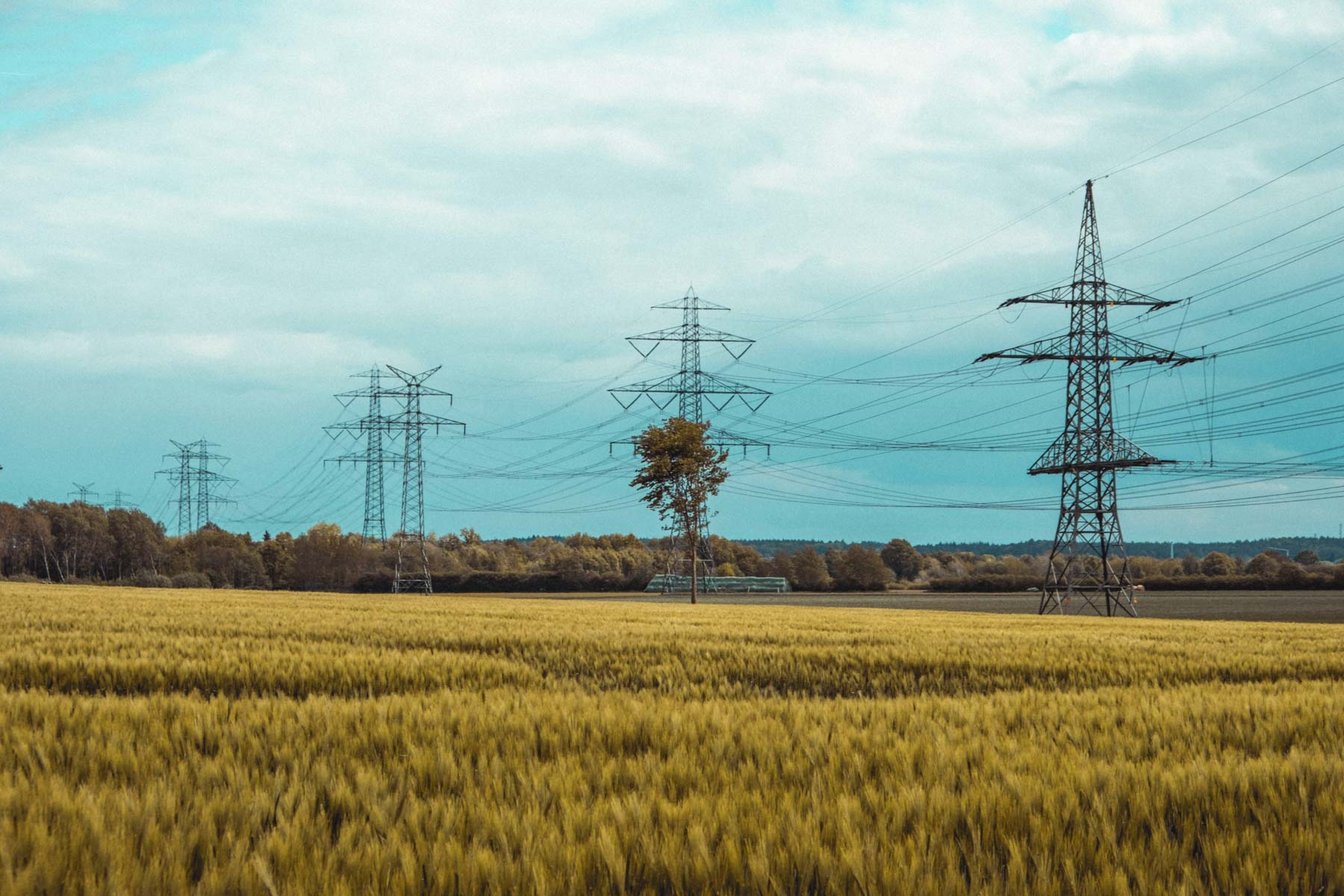
Figure Out Septic or Sewer Early
Most rural land in Oklahoma will not have public sewer.
That means a buyer may need to use a septic system. I am not a septic installer, engineer, or soil expert, so this is one of the areas where I want buyers to get the right professionals involved.
But from a land-buying standpoint, septic needs to be considered early.
A property may need enough usable space for the home, driveway, septic system, and any required separation from wells, water features, property lines, or other improvements.
This matters for houses, mobile homes, and barndominiums. A mobile home may be easier to place than a custom home in some ways, but it still needs water, electric, wastewater, access, and a practical site.
If public sewer is nearby, that also needs to be confirmed. Nearby sewer does not always mean the property can connect affordably or easily.
Make Sure There Is Legal Access
Access is one of the biggest buildability items.
Physical access and legal access are not always the same thing.
A trail, gate, driveway, or tire path does not automatically prove the buyer has legal access. Road frontage, recorded easements, shared driveways, and private roads all need to be looked at carefully.
Some red flags I watch for include:
No road frontage
A shared driveway with no maintenance agreement
A private road with unclear responsibilities
A creek crossing needed to reach the usable land
A gate or driveway that may not match the legal access
Land that looks accessible online but may not have clear recorded access
If access is unclear, that can become a serious issue for building, financing, resale, and everyday use.
Check Floodplain, Drainage, and Topography
Floodplain does not always make land worthless, but it can affect where you build, how you build, what a lender thinks, and what insurance may be required.
I like to look at floodplain early because it can quickly change how usable a property is.
The same goes for drainage, creeks, ponds, low spots, and steep topography.
A property may technically have enough acreage, but if the only flat area is in floodplain or the only dry area is hard to access, that can create problems.
This is where tools like ID.Land, FEMA flood maps, topography layers, county maps, and satellite imagery can help buyers get a better first look.
The key is not just asking, “Is this land pretty?”
The better question is:
Where would the home actually go, and what has to happen to make that spot usable?
Mobile Homes and Barndominiums Still Need Site Prep
Some buyers think a mobile home or barndominium makes the land side simple.
Sometimes it helps. But it does not remove the need to check access, restrictions, utilities, septic, driveway placement, and site prep.
I had a situation around Sand Springs where a buyer wanted to place a mobile home on a mostly wooded property. The property itself could work, but it still needed a usable site opened up near the road. That meant driveway improvements and mulching before the property made sense for that use.
That work ended up around $4,500.
That is not unusual. A piece of land can be buildable and still need money spent before it is actually usable.
For mobile homes specifically, buyers should check:
Deed restrictions
Zoning or local rules
Driveway access for delivery
Clearing and pad location
Water
Electric
Septic or sewer
Setbacks
Whether the land is too steep, wet, or wooded for easy setup
For barndominiums, buyers should also think about restrictions, lender requirements, electric needs, driveway access for materials, and whether the property has a practical build site.
The Purchase Price Is Not the Full Cost
This is one of the biggest things I want buyers to understand.
The price of the land is not always the full cost of making the land usable.
On basic 5 to 10 acre tracts in northeastern Oklahoma, I have seen quotes around $4,500 to $5,000 for a basic gravel drive, culvert, wooden posts, a small tube gate, and basic homesite clearing.
That is not a promise or a guaranteed price. Every property is different. But it gives buyers a real-world idea that basic improvements can add up quickly.
On a 30-acre tract I personally purchased near Okemah for $87,500, the purchase price was only part of the story.
Even with a mix of DIY work, I still had over $2,000 in culverts, around $2,000 in gravel, two tractor rentals for brush hogging, chainsaw work, and a $2,700 skid steer rental just to start making the land more usable.
If all of that work had been hired out to contractors, some of those costs could have been much higher.
Common improvement costs buyers forget about include: Driveway, Culvert, Gravel, Gate, Clearing, Mulching, Tree removal, Septic, Water tap or well, Electric extension, Survey, Dirt work, Fence repair, Permits or county requirements, Internet access, Trash service.
This does not mean the land is a bad buy. It just means buyers should understand the real budget before they get too far into the deal.
Know When a Survey Matters
Not every buyer orders the same type of survey, but surveys can matter a lot with land.
A survey may be important if:
Property lines are unclear
Fences do not appear to match the parcel
A driveway needs to be placed
A tract is being split
There are easements involved
A lender or title company requires one
The buyer wants to know exactly what they are buying
There are possible encroachments
The build site is close to a boundary
Common survey-related items can include a boundary survey, pin stake survey, topographic survey, or elevation-related work if floodplain is involved.
This is one of the reasons a good due diligence period matters. Surveyors can take time, and land deals are not always as quick to inspect as a normal house.
Buildability Red Flags I Look For Early
Here are some red flags that make me slow down and look closer:
No road frontage
“Utilities nearby” with no details
Mostly wooded land with no obvious build site
Creek crossing required to reach the usable area
Floodplain covering the best part of the property
Steep or rough topography
Poor driveway location
Shared driveway with no maintenance agreement
Shared easement with unclear responsibility
No nearby homes or neighbors
No rural water and no nearby wells showing on OWRB
Restrictions that may block the intended use
No obvious place for a house, mobile home, or barndominium
None of these automatically mean the property is a bad deal.
But they do mean a buyer should slow down and verify more before assuming the land is ready to build on.
What to Check Before Making an Offer
Before making an offer, you may not be able to confirm everything. But you can usually get a good first look at the major issues.
At a minimum, I like to look at:
Floodplain
Topography
Access
Road frontage
Visible build site options
Timber or clearing concerns
Nearby utilities
Public restrictions if available
Basic water clues
Property shape and layout
Whether the intended use seems realistic
This helps a buyer decide whether the property is worth pursuing.
What to Confirm During Due Diligence
Once a property is under contract, this is when the deeper work usually happens.
Depending on the property, buyers may want to confirm:
Survey needs
Rural water tap availability
Electric provider and quote
Septic feasibility
Full deed restrictions
Title and easement issues
Access rights
Lender requirements
Insurance or floodplain concerns
Improvement cost estimates
Buyers should talk with their real estate agent about the right inspection period and contingencies for the property.
For many land deals, contingencies related to survey, floodplain review, rural water confirmation, access, or other buildability items may be worth discussing before writing the offer.
Quick Buildability Checklist
Before assuming land is buildable, ask:
Can I legally use the land the way I want?
Are deed restrictions or covenants okay for my plan?
Is there legal access?
Is water actually confirmed?
Is electric actually confirmed?
Is septic or sewer realistic?
Is the build site outside major floodplain issues?
Is the topography usable?
Is there a practical driveway route?
Will trees, brush, or terrain add major cost?
Do I need a survey before closing?
Will my lender finance this property?
Do the improvement costs still make sense?
If too many of those answers are unclear, the land may still work, but you need to slow down.
Need Help Looking at Land in Oklahoma?
If you’re buying land in northeastern Oklahoma, I can help you sort through the practical questions that determine whether a property is actually usable for a house, mobile home, barndominium, or future homesite.
I am not a surveyor, engineer, attorney, septic installer, or utility provider. My job is to help buyers know what questions to ask, what documents to review, and what items need to be confirmed before they assume a piece of land is ready to build on.
If you are looking at land near Broken Arrow, Tulsa County, Creek County, Okfuskee County, or elsewhere in northeastern Oklahoma, you can contact me here and I would be glad to help you think through the major buildability items before you get too far into the deal.
You can also learn more about how I help local buyers and sellers on my Broken Arrow Realtor page.
Frequently Asked Questions related to “can you build on land in oklahoma”
Can you build on any land in Oklahoma?
No. Some land may not be practical or legal to build on. Buyers need to check access, restrictions, floodplain, water, electric, septic or sewer options, survey issues, and the physical build site before assuming a property is buildable.
How do I know if land is buildable?
Start by looking at legal use, road frontage, access, topography, floodplain, utilities, septic or sewer options, and deed restrictions. Then confirm the bigger items during due diligence before closing.
Does rural water available mean I can get a meter?
Not always. A rural water line at the road does not automatically mean a meter or tap is available. The provider needs to confirm whether they can serve the exact tract and what it will cost.
Can I put a mobile home on land in Oklahoma?
Sometimes, but you need to check restrictions, zoning or local rules, access, water, electric, septic, and whether the property has a practical site for delivery and setup.
Can I build a barndominium on rural land in Oklahoma?
Often yes, but it depends on restrictions, lender requirements, utilities, septic, access, and the physical build site. Do not assume a barndominium is allowed until the restrictions and local rules are reviewed.
Do I need a survey before buying land?
Not always, but a survey can be very important if boundaries, acreage, easements, access, fences, encroachments, or future improvements matter. On land, surveys can help prevent expensive surprises.
What does “utilities nearby” mean on a land listing?
It usually means utilities may exist somewhere in the area. It does not guarantee that water, electric, or sewer are available, approved, affordable, or easy to connect to the exact property.

About Corbett Campbell
Realtor – Land Developer
Corbett “The Landguy” Campbell is an Oklahoma land-focused real estate agent with Our OK Realty, specializing in rural acreage, development land, and transitional properties across northeastern Oklahoma. Based in Broken Arrow, Corbett has built his business around helping buyers and sellers understand the details that actually matter when it comes to land.
Corbett is deeply connected to the local community and serves as a member of the Broken Arrow Rotary Club. He has lived in the Broken Arrow area his entire life and brings a local perspective to every transaction.
His approach is simple:
Understand the land
Understand the risks
Make informed decisions
At the end of the day, land is more than just a purchase.
It is an opportunity, an investment, and often a long-term asset. Lets talk!