
Oklahoma Buy Land · The seller’s guide
Selling land in Oklahoma starts with a plan.
Understand what you own, what buyers will care about, and how to bring your property to market with confidence.
A practical guide to pricing, preparation, and marketing for acreage, inherited land, ranches, recreational property, and development tracts.
Start with what you know
You do not need every answer before you reach out.
Selling land can look simple from the outside: put it online, add a few photos, and wait for a buyer. But land often comes with questions a house in a neighborhood does not.
Where are the boundaries? Is there legal access? What utilities are available? Who is the likely buyer, and what would make the property useful to them?
You do not need a new survey, a perfect set of records, or an exact idea of value to start the conversation. A county, parcel ID, old tax bill, legal description, or map pin is usually enough to begin researching.
01 · Understand
Know what you have.
Identify the tract, review the information available, and separate known facts from questions that still need answers.
02 · Position
Build a selling strategy.
Connect the property’s strengths with the right buyer, a supported price, and your preferred timeline.
03 · Bring it to market
Make the opportunity clear.
Prepare the property, explain it well, and use buyer activity and feedback to guide the next decision.
Inherited land · Out-of-town owners
Missing information is a starting point.
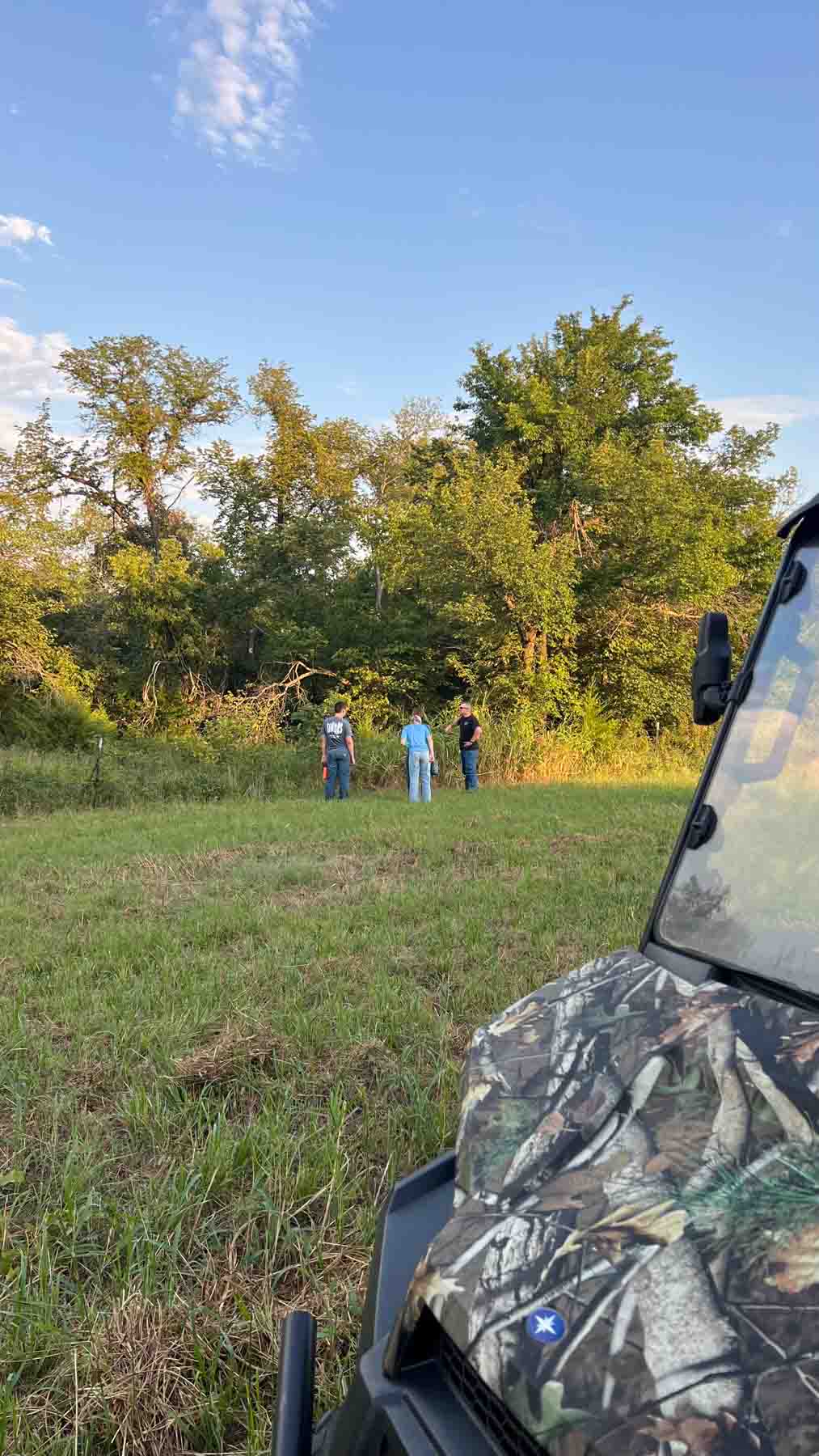
Families often inherit land that nobody has walked in years. The survey may be missing, trails may be grown over, and nobody may know exactly where the best entrance is.
That does not automatically mean the land cannot be sold. It means we need to understand the property before deciding how to present it.
Gather what you already have.
- Property records Tax bills, deeds, parcel numbers, old surveys, and maps.
- Practical details Gate locations, keys, access routes, leases, and anyone familiar with the land.
- Your goals Who is involved, where everyone lives, and what you want the sale to accomplish.
Ask the title company or an Oklahoma attorney to clarify ownership and authority to sign when estate or title questions are involved.
I have worked on inherited property where the sellers had never walked the entire tract. Mapping trails, identifying gates, reviewing boundaries, and making the property easier to show all helped us understand what buyers needed to see.
Price with a plan
The same acreage can mean very different value.
A 10-acre tract with usable ground, good frontage, and confirmed utility options is different from 10 acres with difficult access, steep terrain, or limited building areas.
Lakefront is different from near the lake. A commercial tract with a realistic development path is different from raw ground that still needs major infrastructure.
Start with evidence.
Sold properties help show what buyers have paid. Active listings show the alternatives your property will compete against. Neither replaces a close look at the land itself.
- Location, access, and road frontage
- Utilities and the cost of putting the land to use
- Terrain, floodplain, and usable acreage
- Improvements, restrictions, and easements
- The likely buyer and competing properties
Your goals matter. They do not establish market value. What you want to net, what you paid, and what another owner is asking are useful context. The price still needs support from the property and the market.
Testing a higher price needs a decision date.
A seller with time may choose to test an ambitious asking price. That is a strategy only if we agree on what to watch and when to reconsider.
For example, we might review activity after 30 to 60 days, depending on the property and market. The timing should fit the situation rather than become an automatic rule.
Watch the quality of the response.
Are buyers making inquiries? Are showings happening? What objections keep coming up? Are similar properties selling while yours sits?
A price adjustment is not a personal defeat. Sometimes it is the practical move that brings the property back into consideration for the right buyer.
A stronger listing starts here
A buyer cannot value what they cannot understand.
The next step is making the property easy to find, easy to evaluate, and worth seeing in person.
Before the listing goes live
Prepare the information before spending on improvements.
For unique property, the work starts before the listing is published. I want to understand the tract and anticipate the questions a serious buyer will ask.
That does not mean every property needs major clearing, a new driveway, or installed utilities. The first question is whether the work will help the likely buyer enough to justify its cost.
Read the land improvement guide →- Identity and location Parcel information, legal description, clear directions, and an identifiable entrance.
- Access and boundaries Available surveys, approximate map outlines, and access questions that need confirmation.
- Utilities and limitations Known providers, installed services, floodplain concerns, restrictions, and unresolved questions.
- Showing readiness Permission to access the tract, workable gates, and a route to the property’s main features.
Be useful and accurate about utilities. A nearby line is different from an approved connection. Explain what has been confirmed, identify the source, and state what remains unknown. “Buyer to verify” should support clear information, not substitute for it.

Help buyers see the whole property
Photos explain the land. Maps give it context.
A few blurry shots from the road rarely explain a rural tract. Buyers need to understand how the property lays out, where they enter, and what they will find beyond the gate.
I like combining ground photography, drone imagery, and useful maps based on what the property needs. Each image should answer a question or show a feature that matters.
At ground level
Show how it feels.
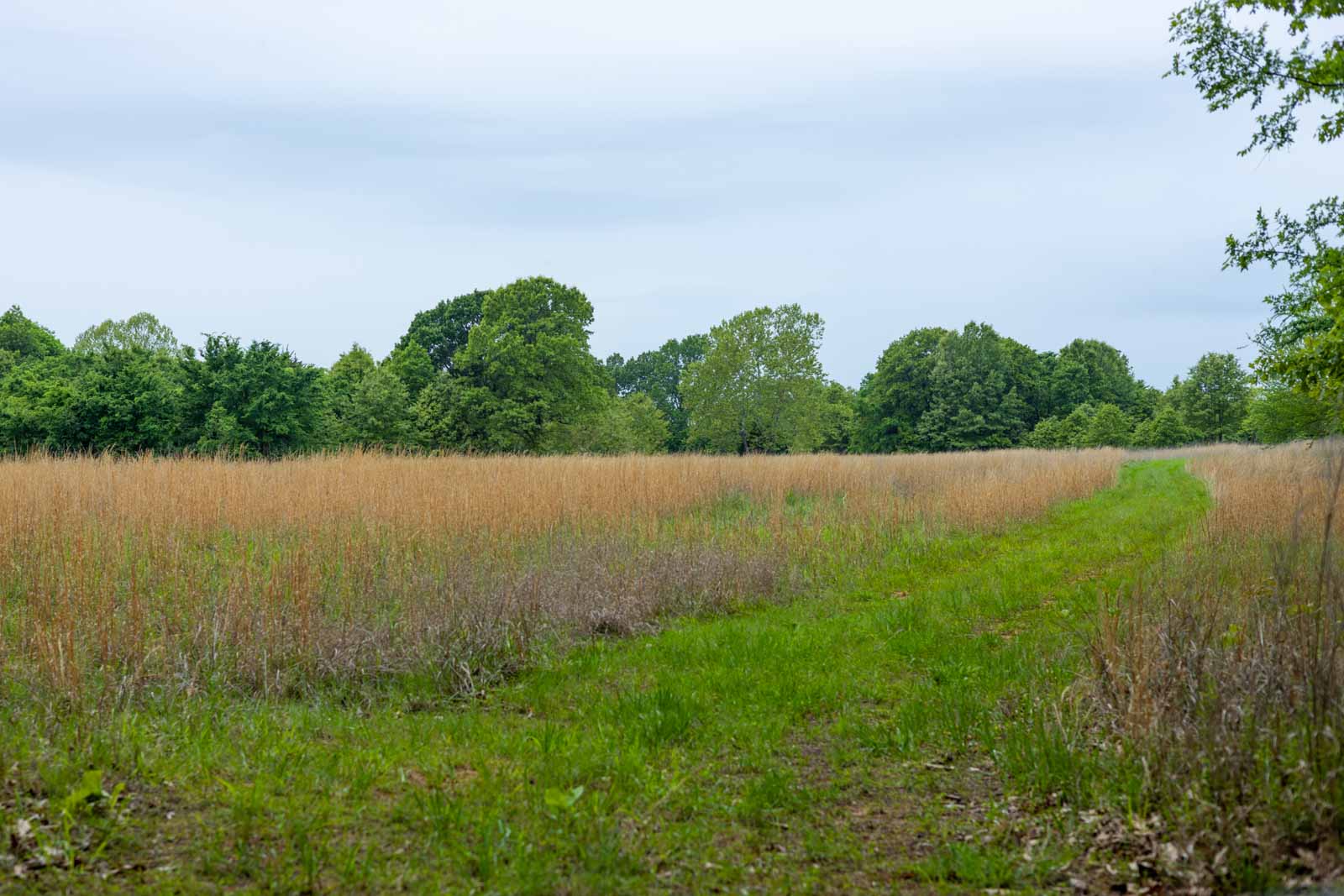
Clear photos of the entrance, terrain, trails, open areas, timber, improvements, and water features help buyers picture a visit.
From above
Show how it fits.
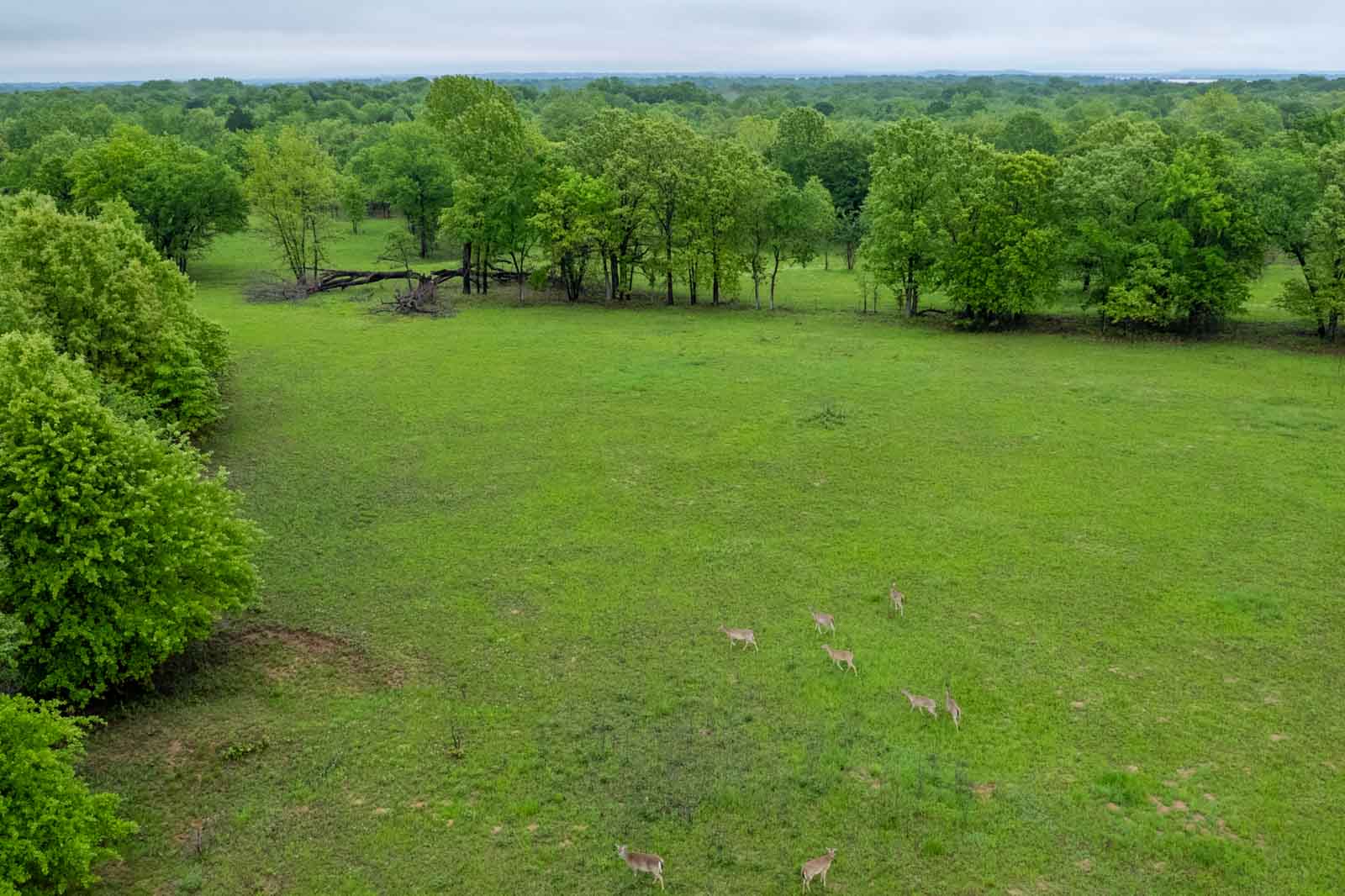
Drone and aerial images help explain scale, layout, frontage, surroundings, and features that are hard to see from the road.
With a map
Show what is included.
Boundary illustrations provide context. Label approximate outlines clearly; they do not replace a survey or establish legal boundaries.
The property needs a story.
That means explaining why the land matters to its likely buyer. It might be privacy, pasture, recreation, a future homesite, or a location suited to a particular business.
Stay specific. Describe supported features and possibilities without presenting an unverified use as an approved plan.
Match the message to the property.
A ranch buyer may focus on water, grass, fences, and working facilities. A commercial buyer may focus on access, zoning, frontage, utilities, and surrounding activity.
The best presentation helps the right buyer see the opportunity while understanding its limits.
Read the land marketing guide →From my own experience
A complicated lakefront property still found the right buyer.
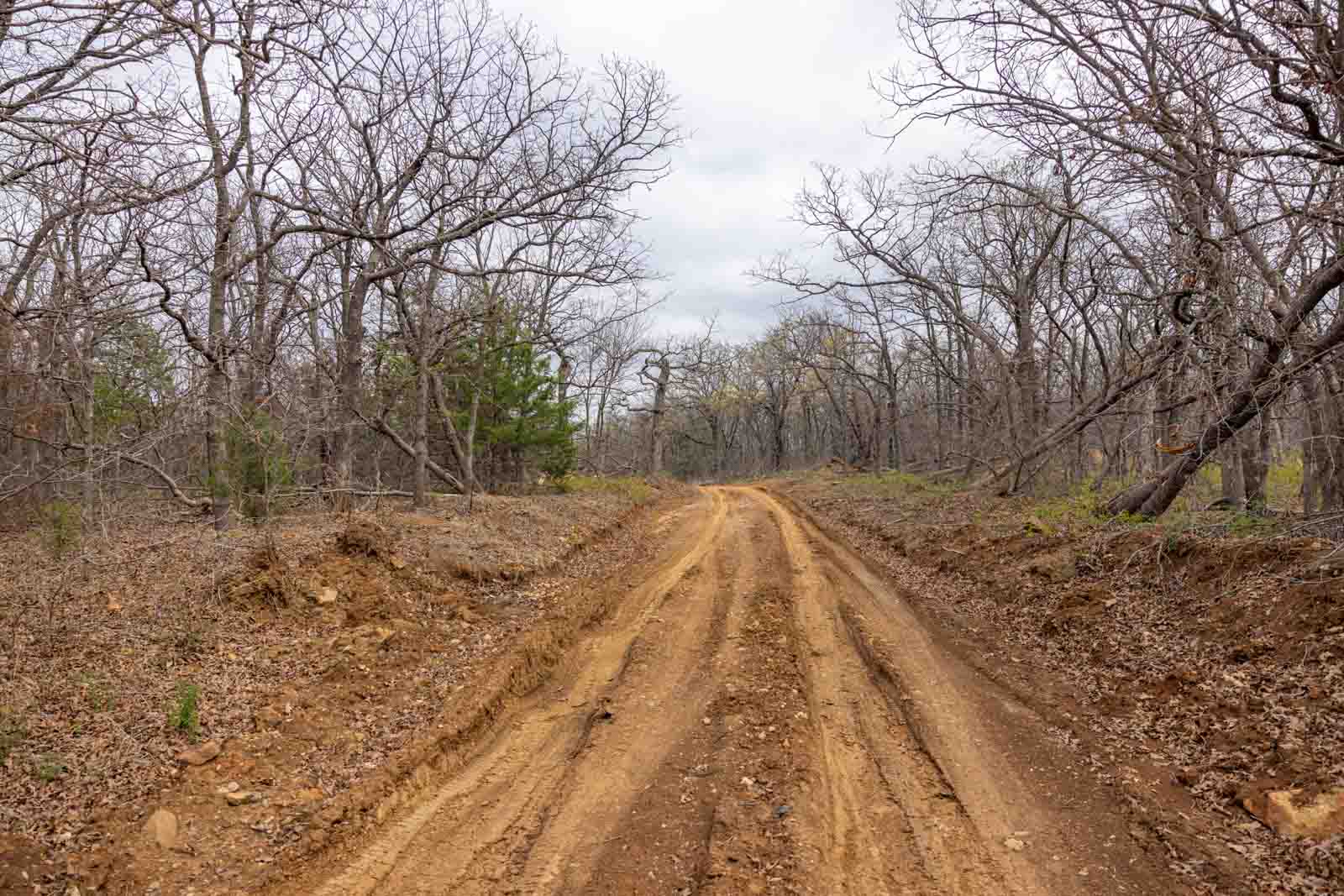
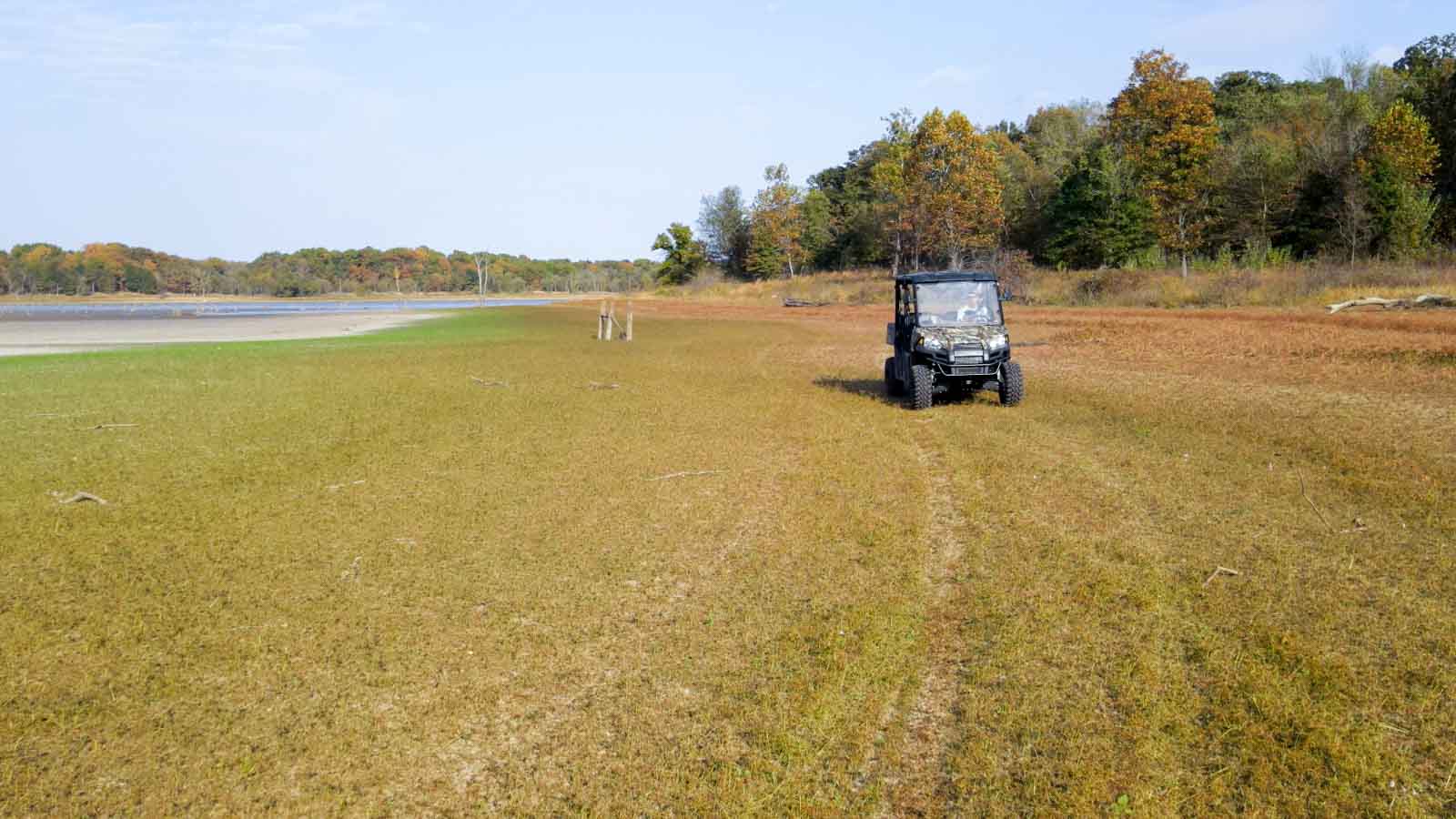
I worked on a large inherited lakefront property with survey questions, rough access in places, muddy areas, and sections that were difficult to show. During one winter showing, an agent even got an F-350 stuck and I went out to help.
The work involved better visibility, clearer access descriptions, stronger presentation, and a better explanation of what made the property valuable.
I ultimately sold the property as a whole to a cash buyer for more than $1 million. Pricing, exposure, and helping buyers understand the land were all part of that process.
This is one past transaction, not a promise of price or timing for another property.
Considering for sale by owner?
Give buyers enough information to take the next step.
If you choose to sell on your own, the property still needs a clear presentation. A sign and a few photos may not give someone enough confidence to arrange a showing or make an offer.
Professional photography, an approximate boundary map, useful directions, and accurate property information can help whether or not you use an agent.
Build a useful listing package.
- Clear photos and a map showing the tract
- Parcel information and dependable directions
- Known access, utility, and restriction details
- A showing plan and prompt responses to inquiries
- A price supported by relevant market information
- A plan for contracts, title work, and closing
If you need help with transaction documents or ownership questions, involve the appropriate title or legal professional early.
Understand the investment
Compare the service, the costs, and the expected net.
Real estate compensation is negotiable and is not set by law. There is no required percentage for every listing, and any seller-paid buyer-agent compensation is a separate part of the discussion.
The agreement should clearly explain the services, fees, marketing responsibilities, and when payment is due.
Questions worth asking before you sign
- What photography, maps, and advertising are included?
- Are any marketing expenses paid separately?
- What happens to those costs if the property does not sell?
- How will any buyer-agent compensation be handled?
- What other closing costs or payoffs affect my net?
Compare the total plan. A lower fee does not automatically produce a better result, and a higher fee does not automatically mean better service.
Ask for an estimated seller net sheet. Looking at the likely proceeds after negotiated fees, closing costs, and payoffs makes it easier to compare prices and offers. An estimate will change as the actual terms and costs become known.
After the listing goes live
You should know what is happening.
My goal is to provide a seller update at least weekly. Usually that is a straightforward email with activity, questions, feedback, and any recommended changes.
You can read it without feeling like you need to respond every time. Offers, important decisions, and significant issues call for prompt communication in the way you prefer.
Useful updates lead to decisions.
- Activity Inquiries and showings, with online statistics used as context.
- Feedback What interested buyers value and what makes them hesitate.
- Next steps Whether to adjust price, clarify the listing, change presentation, or stay the course.
Compare offers beyond the headline price.
Financing, due diligence, contingencies, requested concessions, closing timing, and your likely proceeds all affect how an offer fits your goals.
Keep the work moving toward closing.
Once under contract, coordinate access, requested information, title work, and the agreed deadlines. Questions raised during due diligence deserve timely answers, not surprises at the closing table.
Avoid the preventable problems
Common mistakes sellers make.
Most come from incomplete information or decisions made without a clear plan. These are the ones I want to address early.
Starting with a number instead of market evidence
Your preferred price deserves a conversation. Compare it with relevant sales, competing listings, property limitations, and likely buyer demand before deciding how to launch.
Making the property difficult to find or understand
Missing directions, unclear access, vague descriptions, and no boundary context create unnecessary work for buyers. Remove that friction before the listing goes live.
Spending on improvements without a purpose
Clearing, gravel, fencing, or utilities may help, but they should fit the likely buyer and expected benefit. Review the plan before committing money.
Using weak photography
Show enough of the property to explain it. The entrance, terrain, major features, and overall layout should not be a mystery until someone visits.
Testing a high price without a review plan
Agree on when to revisit the strategy and what evidence will guide the decision. Staying flexible is part of representing your interests.
Ignoring repeated buyer feedback
You do not have to accept every opinion. But consistent feedback, limited activity, and competing sales can tell us when the strategy needs attention.
Corbett Campbell · OUR OK Realty
Practical work. Clear advice. A plan for your property.
I want to make your property easier to understand, easier to market, and easier for serious buyers to evaluate.
That may mean walking the land, reviewing parcel information, researching utilities, mapping trails, improving directions, or having an honest conversation about price.
Some properties are straightforward. Others take more work. I believe a lot can be accomplished with good information, consistent follow-through, and a little dirt on your boots.
Get to know Corbett →Go deeper where you need to
Resources for your next decision.
Preparing and selling
Understanding the property
Your next step
Tell me what you own. We can start there.
You do not need a polished property package or a firm decision to sell. Bring the information you have and the questions you want answered.
Request a property review.
Send the county, approximate acreage, a parcel ID or location pin, and a little about your goals. If you have a tax bill, old survey, or map, mention that too.
We can discuss the likely buyer, pricing considerations, preparation priorities, and a sensible next step.
Corbett Campbell · OUR OK Realty
corbett@ourokrealty.com