
The Oklahoma commercial property buying guide
Buying Commercial Real Estate in Oklahoma
Understand the property. Check the numbers. Know what it will take to make your plan work.
A building can look right and still be wrong for your business. A tract can have road frontage and still lack the access or utilities your project needs. A leased property can produce rent without producing the return you expected.
This guide walks through the questions that matter before you buy commercial buildings, income property, or development land.
Start with the purpose
Three buyers can look at the same property and see three different deals.
Before comparing listings, define what you need the real estate to accomplish. Your intended use determines which locations, layouts, financing options, and risks deserve the most attention.
A place for your business
You need a property that supports operations: employees, customers, equipment, deliveries, storage, and future growth. A low price does not help if the space cannot legally or practically accommodate your business.
Start here: required space, opening date, customer access, utility demand, improvement budget, and cash left for the business.
An income-producing investment
You are buying an income stream and the responsibilities behind it. Tenant quality, lease terms, operating costs, repairs, vacancy, and replacement-tenant demand all affect the result.
Start here: verified income, realistic expenses, financing, reserves, lease expirations, and the return required for the risk.
A development or redevelopment opportunity
You are buying something that must change before it reaches your intended value. Approvals, infrastructure, construction, carrying costs, and the eventual buyer or tenant matter as much as the acquisition price.
Start here: feasible use, a concept plan, total project cost, approval timing, and an alternative if the original plan changes.
Write a one-page buying brief. Include your use, budget, available cash, preferred property size, essential features, timeline, and reasons you would pass. A clear brief keeps an attractive listing from pulling you away from what you actually need.
Choose the right kind of property
Commercial property types—and what changes between them.
Price per square foot is only useful when the spaces are genuinely comparable. Layout, building systems, site function, tenant improvements, and permitted use can make similarly sized properties very different purchases.
Warehouses, industrial & flex space
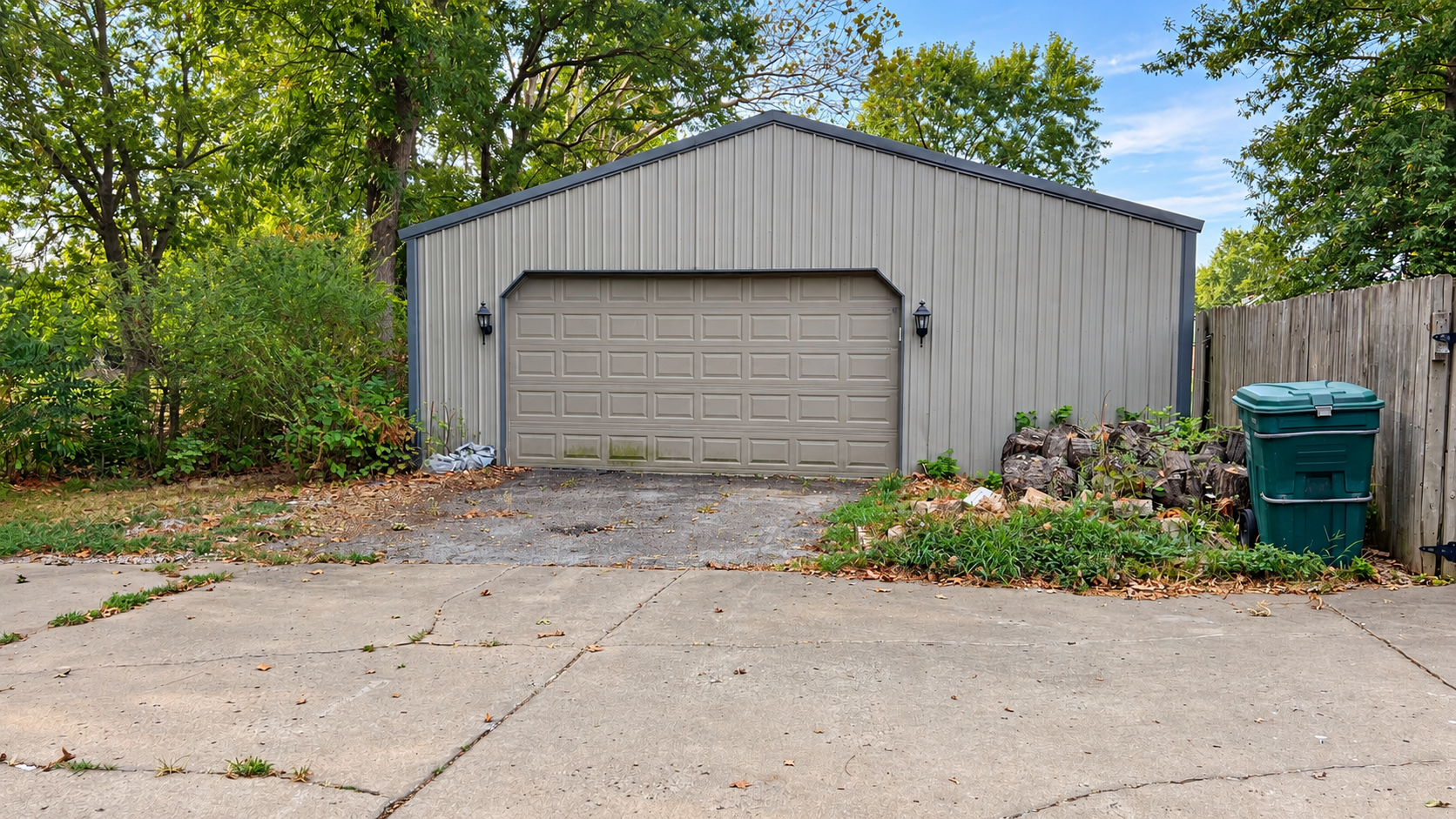
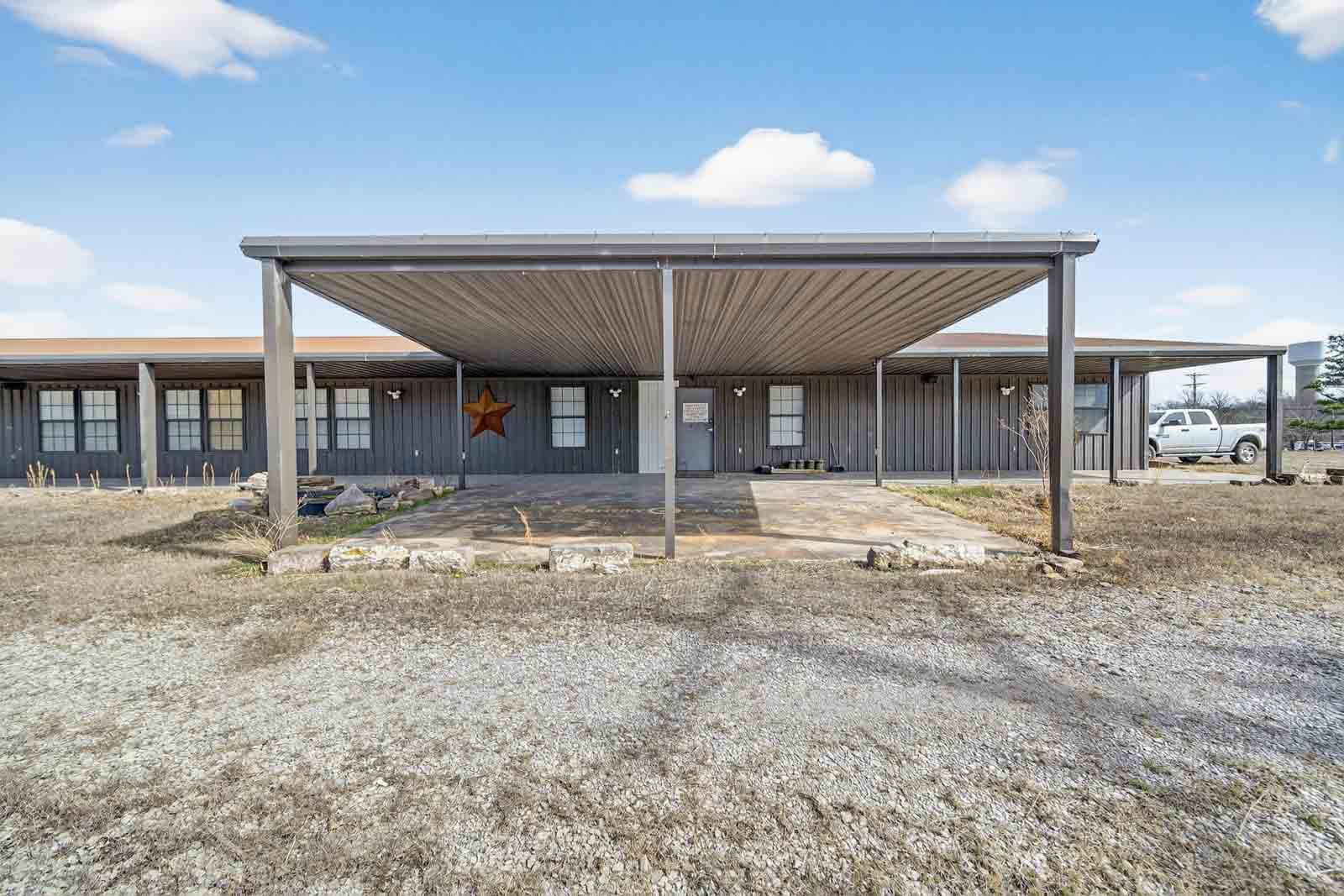
Check clear height, overhead-door dimensions, loading, truck turning areas, floor capacity, power, ventilation, and the balance of office to warehouse space. A metal building on acreage is not automatically approved for commercial operations.
Key question: can your equipment, vehicles, employees, and processes work here without an expensive conversion?
Retail buildings & storefronts
Evaluate visibility, entrance locations, parking, signage, customer routes, and nearby businesses. Restaurant or specialty uses may need costly plumbing, exhaust, grease handling, electrical, or fire-protection work.
Key question: can customers find, enter, and use the property easily—and what does opening the doors actually cost?
Office & professional space
Compare usable layout, parking, internet, bathrooms, accessibility, heating and cooling, and the cost of reconfiguring rooms. Medical or other specialized space needs its own operational review.
Key question: does the existing layout serve your business, or are you paying for a remodel before moving in?
Mixed-use property
Different uses can mean different leases, utility arrangements, access requirements, insurance questions, and management needs. Evaluate each portion of the property rather than treating it as one uniform income stream.
Key question: can the uses operate together, and are shared costs and responsibilities clearly documented?
Commercial land
Start with buildable area, access, utilities, drainage, zoning, and approval requirements. Gross acreage does not tell you how much room remains for a building after parking, setbacks, detention, and other constraints.
Key question: what will it cost to turn this tract into a usable site?
Multi-tenant & specialty investments
Small commercial centers, rental buildings, and specialized properties need a close review of income, tenant concentration, operating demands, and replacement uses. An unusual building can have a limited pool of future occupants.
Key question: who uses this property next if the current tenant leaves?
Owner-occupied decisions
Should your business buy or keep leasing?
Ownership can provide control over your space, but it also ties up cash and makes you responsible for the real estate. Leasing may preserve flexibility when staffing, location, or space requirements are still changing.
Compare occupancy costs over the same time period. For ownership, include financing, taxes, insurance, maintenance, improvements, and transaction costs. For leasing, include base rent, expense reimbursements, escalations, improvements, and renewal risk.
Buying may fit when…
- Your business expects to use the location for a meaningful period.
- The building supports your operations and realistic growth.
- You can fund the purchase without starving the business of working capital.
- You understand the property’s repair and management needs.
Keep evaluating when…
- Your future space needs are uncertain.
- The purchase only works if you immediately lease unused space.
- Required improvements are not yet priced.
- A down payment would consume the reserves needed to operate.
Also consider whether the property could be leased or sold to someone else if your business changes. A location that works only for your current operation deserves a more conservative exit plan.
Verify the right to use it
“Commercial” is a category. Your actual use is the question.
A listing description is a starting point, not a zoning determination. Before committing, identify the governing jurisdiction and describe your operation in enough detail for the appropriate staff to evaluate it.
Ask about the specific operation
Explain business activities, hours, customer visits, employees, deliveries, equipment, outdoor storage, signage, and any processing or production. Ask whether the use is permitted, requires additional approval, or conflicts with existing restrictions.
Request written clarification where available. Prior occupancy by a similar business does not establish that your proposed use or alterations are approved.
Ask what changes trigger review
Discuss a change of use, occupancy, remodel, expansion, subdivision, or new construction before estimating an opening date. Ask which departments must review the plan and what documents they need.
Confirm private covenants and recorded restrictions separately. A favorable zoning answer does not settle every limitation on the property.
A useful first question: “I am considering this address for this specific operation. What approvals, site requirements, and building changes should I investigate before buying?” Bring a sketch, the parcel information, and a clear description of the business.
Access is part of the product
Road frontage, visibility, and usable access are different things.
Walk and drive the route as a customer, employee, delivery driver, and service provider. A visible building may still be difficult to reach because of medians, limited turns, shared driveways, or a layout that cannot handle the intended vehicles.
Legal access
Have title and survey professionals evaluate recorded access, shared-drive agreements, maintenance obligations, and whether the rights support your intended use. An existing gravel entrance does not answer those questions.
Physical access
Test turning movements, gate widths, overhead clearance, delivery routes, fire access, and loading. Check whether trucks can circulate without blocking parking or backing into a public road.
Approved access
Confirm driveway and signage requirements with the road authority. For state-highway frontage, review ODOT’s driveway permit information and contact the responsible office about the site.
From acreage to a workable site
Development land needs a plan before it needs a price opinion.
A simple concept plan can reveal whether your building, parking, circulation, drainage, and access requirements fit. Get early input from a civil engineer or other appropriate design professional before treating all of the acreage as usable.
| Investigate | What to establish | Why it changes the deal |
|---|---|---|
| Utilities | Provider, location, capacity, connection requirements, easements, cost, and timing. | A line nearby may not have capacity for your operation. |
| Water & fire protection | Service needs, available flow, fire requirements, and any required upgrades. | Ordinary domestic service does not establish adequate fire protection. |
| Sewer or wastewater | Available service, capacity, connection elevation, and approval for the proposed discharge. | A connection or engineered alternative can reshape the budget. |
| Grading & soils | Topography, geotechnical needs, fill, retaining walls, and pavement or foundation design. | Site work may cost more than the visible condition suggests. |
| Drainage & flood risk | Runoff, detention, mapped hazards, local drainage concerns, and downstream constraints. | Water management can reduce usable area and add construction costs. |
| Site layout | Setbacks, parking, landscaping, circulation, easements, and building footprint. | A large tract can still be a poor fit for a particular project. |
| Approvals & phasing | Required reviews, infrastructure obligations, sequencing, and realistic schedules. | Delays increase carrying costs and can affect financing. |
Start flood research with the FEMA Flood Map Service Center, then discuss site-specific drainage with the appropriate professionals. A map alone does not establish that a site will remain dry or that your proposed construction is feasible.
Remember construction stormwater planning.
Oklahoma DEQ’s OKR10 guidance identifies permit requirements for qualifying land disturbance, including certain smaller activities within a larger development plan. Have your project team check applicability and local requirements before work begins.
Existing buildings
The purchase price is only the first number.
Evaluate the building as it will be used, not just as it sits today. An otherwise sound structure may need expensive work to support a different occupancy, heavier equipment, more employees, or a new customer-facing use.
Building and site condition
- Roof age, leaks, drainage, and replacement planning.
- Structure, slab, movement, and previous repairs.
- HVAC condition, capacity, and service history.
- Electrical service, panels, lighting, and equipment demand.
- Plumbing, sewer, restrooms, and water heating.
- Parking, pavement, loading areas, fencing, and gates.
Costs to become operational
- Design, permits, and construction.
- Fire protection and life-safety changes.
- Accessibility review and necessary improvements.
- Utility upgrades and connection charges.
- Signage, technology, security, and equipment installation.
- Carrying costs and delayed revenue before opening.
The Department of Justice’s ADA business guidance explains that accessibility obligations differ for existing facilities, alterations, and new construction. Have a qualified professional review your actual project rather than assuming an older building is exempt or that a ramp alone settles the issue.
History matters
Environmental review belongs early in the purchase.
Past activities on or near a property can matter even when the site looks clean. Discuss previous uses, tanks, spills, dumping, and available environmental reports with a qualified environmental professional.
A Phase I environmental site assessment evaluates history and environmental conditions; it is not a general building inspection or a guarantee that no contamination exists. Findings may warrant additional investigation, including sampling.
EPA’s All Appropriate Inquiries guidance explains the connection between pre-acquisition environmental inquiry and certain liability protections. Timing, report scope, and continuing obligations matter. Have your environmental professional and attorney coordinate the review before closing.
For Oklahoma sites: Oklahoma DEQ’s Brownfields resources provide information about assessment and redevelopment. Public records are useful background, but they do not replace a property-specific investigation or establish that a site has no issues.
Understand what you are underwriting
Commercial real estate numbers, in plain English.
Begin with documented operating results. Keep the seller’s actual performance, your adjusted estimate, and a future improvement scenario in separate columns. Projected rent is not money being collected today.
Net operating income: NOI
Effective property income less operating expenses, before debt service and income taxes. Routine operating costs belong in the analysis; major capital work needs a separate budget. Clarify how replacement reserves are treated.
Capitalization rate: cap rate
Annual NOI divided by price or value. It compares property income with acquisition cost before financing. It does not tell you your loan payment, cash return, or the likelihood of future repairs.
Debt-service coverage: DSCR
NOI divided by annual principal and interest payments. It measures the cushion available to cover debt. Lenders can adjust income, expenses, and reserves; confirm their calculation and requirements.
Cash-on-cash return
Annual pre-tax cash flow divided by cash invested. Define which reserves and expenses are included, and count acquisition cash and initial improvements consistently. A return calculated before capital work can overstate spendable cash.
For a deeper explanation of underwriting and risk, see the Office of the Comptroller of the Currency’s commercial real estate lending handbook.
Build the expense side from evidence.
Request property tax information, an insurance quote, maintenance records, utility bills, management costs, and service contracts. Include realistic vacancy and collection loss. A property managed by the seller for free still requires someone’s time after you buy it.
A worked example
A 7% cap rate does not mean a 7% cash return.
This hypothetical example shows how income, debt, and reserves interact. It is an illustration, not a listing, market benchmark, loan quote, or forecast.
| Annual item | Amount | What it represents |
|---|---|---|
| Potential rent | $120,000 | Rent before vacancy and collection loss. |
| Vacancy and collection allowance | −$12,000 | Illustrative reduction in expected collections. |
| Expense reimbursements | +$6,000 | Assumed collectible payments under the leases. |
| Effective gross income | $114,000 | Expected income after those adjustments. |
| Operating expenses | −$44,000 | Includes costs associated with the reimbursements above. |
| Net operating income | $70,000 | Before debt service, capital reserves, and income taxes. |
| Annual debt service | −$48,000 | Assumed principal and interest. |
| Cash flow before capital reserve | $22,000 | Not yet adjusted for the reserve below. |
| Annual capital reserve | −$10,000 | Money retained for larger future expenditures. |
| Cash remaining after reserve | $12,000 | Before income taxes and other investor-specific costs. |
At a hypothetical $1,000,000 price, $70,000 of NOI produces a 7% cap rate. With $48,000 of annual debt service, DSCR is approximately 1.46. If total initial cash invested is $300,000, cash-on-cash is about 7.3% before the reserve, or 4% after it.
Now test a tougher year.
If collections fall another $12,000 and operating expenses increase $8,000, NOI drops to $50,000. The same debt service leaves $2,000 before reserves. Maintaining the $10,000 reserve would require another $8,000 of cash. That is why a deal needs a downside plan, not just an attractive headline return.
Buying occupied property
Read the leases behind the rent roll.
A rent roll is a summary. The executed leases, amendments, payment records, and tenant confirmations explain the actual arrangement. Have a commercial real estate attorney review provisions that affect your rights, obligations, and financing.
Income and tenant reliability
- Base rent, increases, concessions, and free-rent periods.
- Payment history, arrears, deposits, and prepaid rent.
- Lease expiration dates and renewal options.
- Tenant concentration and the effect of one vacancy.
- Guaranties, where applicable, and the parties signing them.
Responsibilities and flexibility
- Who pays taxes, insurance, maintenance, and common-area costs.
- Roof, structure, HVAC, and replacement obligations.
- Assignment, subleasing, termination, and expansion provisions.
- Exclusive-use rights and restrictions on other tenants.
- Outstanding landlord work, improvement allowances, or disputes.
“Triple net” is not a substitute for reading the contract. Expense caps, exclusions, repair obligations, and collection issues can leave meaningful costs with the owner.
Ask counsel and the lender which tenant estoppel certificates or lender-related agreements are needed. An estoppel generally confirms specified lease facts; discrepancies between it, the lease, and the rent roll deserve resolution before closing.
Budget for the next tenant, not just the current one.
Re-leasing can involve downtime, commissions, legal work, repairs, tenant improvements, and concessions. A fully occupied building today may still face several lease expirations soon after your purchase.
Match the loan to the plan
Commercial financing is more than the interest rate.
Talk with lenders before locking in a purchase strategy. Owner-occupied property, rental investments, vacant land, and construction projects can be evaluated differently. Your business, experience, cash, collateral, and the property’s performance all affect the discussion.
Conventional commercial lending
Ask about required equity, amortization, maturity, rate adjustments, guarantees, collateral, prepayment terms, and reporting obligations. A long amortization schedule does not necessarily mean the loan matures at the same time.
Model the payment and any balloon or refinance risk using an actual lender proposal.
SBA-backed business financing
For eligible business purchases, SBA 7(a) can include real estate and other approved business needs. SBA 504 supports qualifying fixed-asset projects through participating lenders and Certified Development Companies.
These are not automatic financing for passive rental investments. Ask about occupancy, eligibility, equity, fees, and the full project structure.
Land and construction financing
Discuss approval status, plans, contractor qualifications, appraisal assumptions, draw procedures, contingency funds, interest reserves, and completion requirements.
For a phased project, ask how lot releases, infrastructure spending, and later financing would work before assuming you can sell or refinance individual pieces.
Seller financing or other structures
Negotiated financing may be possible, but the payment alone does not establish whether the arrangement works. Review title, lien priority, maturity, default provisions, insurance, and payoff requirements with your lender and attorney.
Budget for the entire obligation and a realistic exit if a refinance is unavailable.
Cash to close is not the whole cash requirement. Add reports, design, improvements, lease-up, moving, operating reserves, and contingency funds. Keep enough liquidity for the period between owning the property and receiving the income or operational benefit you expect.
Make the review organized
A commercial due-diligence document checklist.
Request the documents relevant to the property early. Track what has been received, what remains unanswered, and the deadline for making a decision. Missing records are a reason to investigate, not an invitation to assume the best.
Ownership, title & site
- Legal description and all parcels included in the sale.
- Title commitment, exceptions, recorded restrictions, and easements.
- Available surveys and a new survey scope if needed.
- Access agreements and shared-maintenance obligations.
- Zoning information, approvals, site plans, and relevant permits.
Building & environmental
- Inspection reports and specialist evaluations.
- Roof and mechanical-system records.
- Repair history, warranties, plans, and improvement records.
- Environmental reports, site history, and follow-up findings.
- Utility information and insurance quotes.
Income & operating records
- Rent roll, signed leases, and all amendments.
- Operating statements and supporting expense records.
- Collection history, deposits, concessions, and arrears.
- Service contracts and maintenance agreements.
- Tenant confirmations and outstanding owner obligations.
Project & transaction costs
- Lender proposal and financing conditions.
- Contractor estimates and improvement allowances.
- Engineering, design, utility, and approval costs.
- Closing estimate and proration assumptions.
- Carrying-cost, contingency, and post-closing reserve budgets.
Keep the specialists connected
Who helps answer which questions?
Good representation helps coordinate the work. It does not replace the professionals responsible for legal, engineering, environmental, lending, or tax decisions.
| Team member | Typical focus |
|---|---|
| Real estate agent | Search, property comparisons, negotiations, information gathering, and transaction coordination. |
| Commercial lender | Borrower and property underwriting, loan structure, and financing conditions. |
| Real estate attorney | Contract terms, leases, title concerns, ownership structure, and legal obligations. |
| Title company & surveyor | Title and closing work, boundaries, survey matters, and recorded interests within their respective scopes. |
| Engineer, architect & contractors | Feasibility, site or building design, technical review, and construction pricing. |
| Environmental professional | Site history, environmental assessment, and any recommended investigation. |
| CPA & insurance professional | Tax planning, ownership implications, coverage, deductibles, and insurability. |
From search to ownership
A clear commercial buying process.
-
Define the target.
Clarify intended use, budget, capital, required features, timeline, and acceptable risk. Discuss financing early enough to search realistically.
-
Screen the opportunities.
Compare location, site function, condition, use compatibility, and preliminary numbers. Eliminate major mismatches before spending heavily on reports.
-
Structure the offer.
Address price, deposits, document delivery, access for inspections, due diligence, financing, title review, and closing. Have counsel review the intended effect of a letter of intent or purchase agreement.
-
Verify the assumptions.
Coordinate the records, site inspections, lease analysis, specialist reports, lender review, and project estimates. Keep a written list of unresolved issues and contract deadlines.
-
Make a documented decision.
Use the findings to proceed, renegotiate, or exercise available contract rights. Know the notice requirements and deadlines before assuming you can extend or terminate.
-
Close and prepare the handoff.
Review final figures, required documents, insurance, possession, keys, deposits, contracts, utilities, and any tenant communications. Confirm responsibility for each handoff item.
The deal needs room to breathe
Know what would make you slow down—or walk away.
Unresolved fundamentals
The intended use is uncertain. Access rights do not support the plan. Utility capacity remains unconfirmed. A required approval has no workable path. Important records conflict with the marketing.
A budget with no cushion
The purchase consumes your reserves. Construction costs are guesses. The property only works at full occupancy. A near-term refinance is essential but uncommitted. One major repair would overwhelm the plan.
Some problems can be priced, corrected, or addressed through the contract. Others change the reason for buying. The goal is to make that distinction while you still have options.

Look beyond closing day
Plan the first year and the eventual exit.
Build a first-year calendar for maintenance, lease expirations, insurance, tax payments, reporting, and planned improvements. Separate urgent safety or operational work from projects that can wait.
For investment property, track actual collections and expenses against your underwriting. For an owner-occupied building, track the full occupancy cost and whether the space is supporting the business as expected.
Then test the exit. Who could buy or lease the property if your plans change? What happens if financing becomes more expensive, a major tenant leaves, or construction takes longer? Flexibility has value even when you intend to hold long term.
The land perspective
Why my land and development background matters.
I’m Corbett Campbell with OUR OK Realty. My work with land, acreage, and development opportunities has taught me to look past the obvious features and ask what it takes for a property to function.
That means paying attention to access, utilities, parcel configuration, usable area, surrounding uses, and the approval process—not just the building or the asking price. I help buyers organize those questions and bring in the right professionals when a decision requires specialized expertise.
Whether you are buying a place for your business, evaluating an investment, or considering a development tract, my goal is to keep the process straightforward and the decision grounded in the property’s actual strengths and limitations.
Questions buyers ask
Commercial real estate buying FAQs.
How much money do I need to buy commercial property?
The requirement depends on the financing, property, borrower, and project. Budget beyond the down payment for closing, reports, improvements, carrying costs, and reserves. Ask lenders to evaluate the actual transaction rather than relying on one standard percentage.
Can I use a warehouse or shop for any business?
No. Verify your specific operation, building requirements, access, utilities, and any private restrictions. A building’s appearance or previous use does not establish approval for your business.
What is a good cap rate?
There is no useful universal answer. Compare verified income, lease quality, condition, location, capital needs, and risk. A higher advertised cap rate may reflect a problem or an aggressive income assumption rather than a better purchase.
Is a fully leased building a safer purchase?
Occupancy is only part of the picture. Review collections, lease terms, tenant concentration, expiration dates, and owner obligations. Several leases ending soon can make an occupied property vulnerable to expensive turnover.
Does triple net mean the owner has no expenses?
No. The actual lease controls the allocation of costs, and the owner can still face exclusions, major work, vacancy, or collection issues. Read the agreement and model the responsibilities that remain.
Can I buy land now and rezone it later?
You can investigate that strategy, but approval should not be assumed. Discuss feasibility, timing, costs, and an alternative use before buying. Have your attorney help structure any approval-related conditions that belong in the contract.
Do I need an environmental assessment if the property looks clean?
Appearance does not establish environmental history or condition. Discuss the site, lender requirements, and potential liability with an environmental professional and attorney before deciding on the scope and timing of review.
Can SBA financing buy a rental investment?
Do not assume so. SBA programs support eligible businesses and have specific use and occupancy requirements. The 504 program expressly excludes speculation or investment in rental real estate. Ask an SBA lender about your proposed structure and eligibility.
How long does a commercial purchase take?
The schedule depends on the contract, financing, document availability, inspections, title issues, and any approvals. Set deadlines around the work required, and build in a realistic process for issues that need specialist review.
Can you help before I find a property?
Yes. Starting with your goals, budget, business needs, and timeline can make the search much more efficient. We can identify the questions that matter before you spend time touring properties that do not fit.

Corbett Campbell · OUR OK Realty
Let’s figure out what the right opportunity looks like for you.
You do not need every answer before reaching out. Tell me what you want the property to do, your approximate budget, where you are open to buying, and your timing.
If you already have a building or tract in mind, send the listing or address. We can start with the fit, the unanswered questions, and the next steps worth taking.
Continue your research
Official resources for commercial buyers.
- SBA 7(a) loan program
- SBA 504 loan program
- EPA environmental due diligence
- Oklahoma DEQ Brownfields resources
- ADA guidance for businesses
- FEMA flood map search
- Oklahoma construction stormwater guidance
- Commercial real estate lending handbook
Explore the areas I serve · Contact Corbett Campbell
Resource links reviewed October 13, 2026. This guide provides general buying information. Property-specific legal, tax, lending, engineering, and environmental questions should be reviewed with the appropriate professionals. Photos are used throughout the guide and do not establish current availability or approved commercial use.