
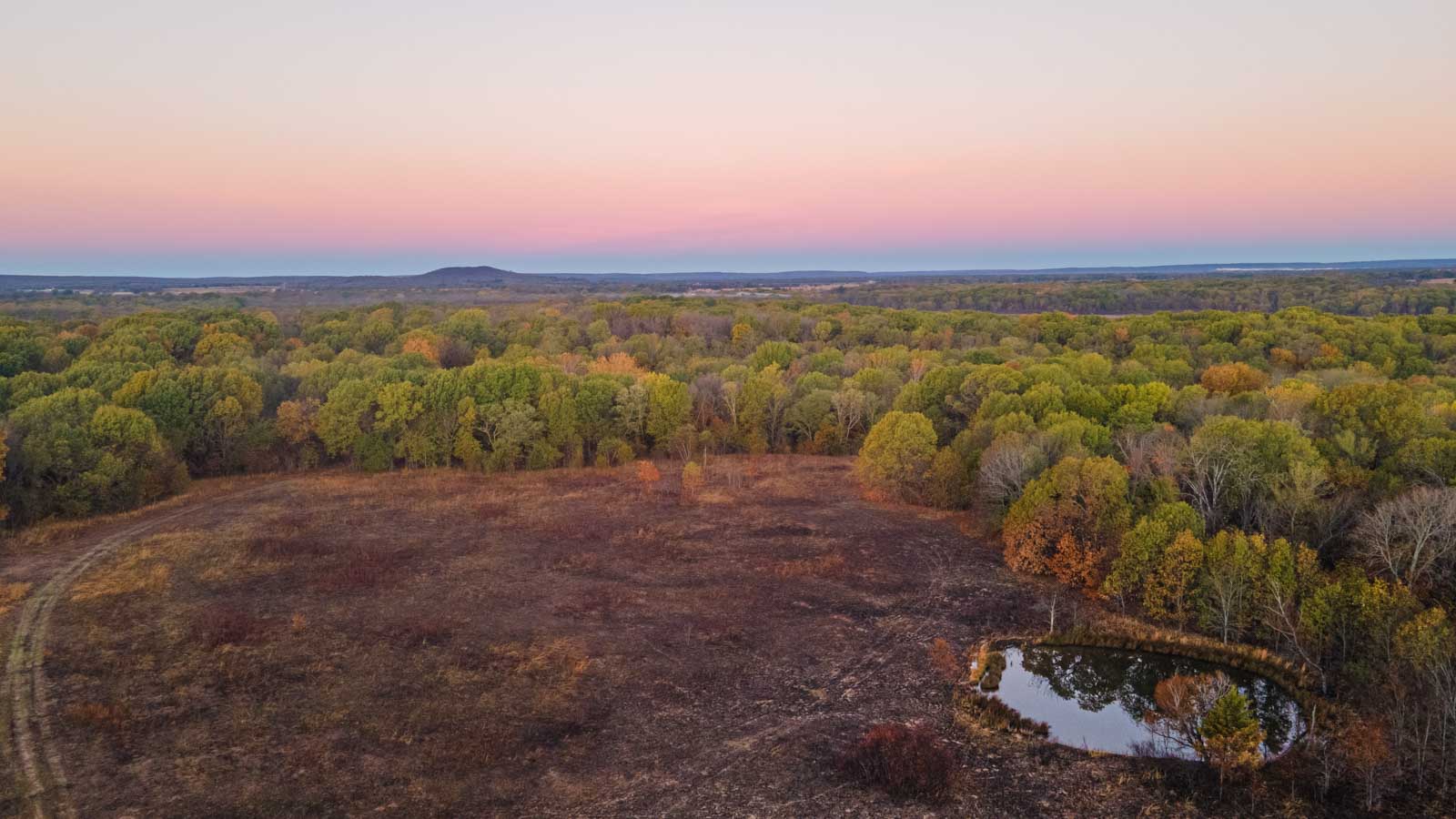
The Oklahoma farm & ranch buying guide
Buying Farm and Ranch Real Estate in Oklahoma
Buy land that works for your plans. Understand the water, the ground, and the responsibilities that come with it.
A good farm or ranch is more than an acreage number and a pretty pond. Access, productive ground, reliable water, fencing, improvements, and existing agreements all affect what you can do with the property.
Whether you want a working operation, a home with pasture, or a place to enjoy and improve over time, this guide helps you ask better questions before buying.
Start with the intended use
What do you need this property to do?
Two buyers can look at the same tract and reach different conclusions. Open ground might be essential for one buyer and less important than wildlife cover for another. A useful search starts with your priorities, available time, experience, and budget.
Livestock & grazing
Focus on forage, dependable water, fencing, livestock handling, and access for equipment and trailers. Match the property to the animals and management system you intend to use.
Hay & crop production
Compare soils, field shape, drainage, production records, equipment access, and input costs. Acres that can be driven across are not necessarily acres that can be farmed efficiently.
Horses & small acreage
Look at fencing suited to the animals, shelter, footing, water, feed storage, and manure management. A smaller property may still require substantial infrastructure and purchased feed.
Recreation & hunting
Evaluate habitat, access, neighboring uses, existing hunting arrangements, and maintenance. Separate documented features from assumptions about future wildlife activity.
A home with working land
Investigate the house and the acreage separately. Your home inspection does not establish pasture quality, boundary locations, or the condition of every rural system.
Long-term ownership
Consider carrying costs, management, leasing options, and a realistic exit. Future subdivision, a new pond, or a different use needs investigation before being counted as value.
Define your nonnegotiables: use, location, usable acreage, water, access, budget, and how much work you are willing to do. That makes it easier to pass on land that looks appealing but does not fit.
Start with the land, not the label
Total acreage and usable acreage are different numbers.
A 100-acre property may include productive pasture, woods, ponds, steep ground, roads, easements, and wet areas. Each part can have value, but not necessarily for the same purpose.
Build a simple map of the tract before comparing it with another property. Estimate the areas suited to grazing, hay, crops, recreation, improvements, and conservation. Then verify those assumptions on the ground.
Map the constraints
Mark roads, gates, water sources, slopes, drainageways, utility corridors, structures, and known easements. Check whether one inaccessible section limits the usefulness of the rest.
Map the daily work
Picture feeding, moving livestock, checking water, hauling hay, repairing fence, and reaching the property in poor weather. Layout can affect your workload as much as acreage.
Example: a lower asking price per total acre does not automatically mean better value. Compare productive acreage, needed improvements, access, and carrying costs before deciding which tract is truly less expensive for your plans.
The first operational question
Is there enough reliable, usable water?
Do not stop at counting ponds or seeing a creek on a map. Investigate seasonal reliability, water quality, distribution, maintenance, and whether the available supply supports your intended use.

Ponds
Ask about drought history, depth information, sediment, leaks, repairs, and how the pond is supplied. Have concerns with the dam, spillway, or banks evaluated by a qualified professional.
Discuss livestock access and water quality with appropriate specialists. A full pond on the showing date does not establish year-round capacity.
Creeks & surface water
Determine whether flow is seasonal and how high water affects access, fencing, and usable ground. Investigate crossings, erosion, and whether the water can lawfully be used as planned.
A scenic creek can be an asset while also creating maintenance and access challenges.
Wells
Request available well records, pump information, testing, and service history. Arrange appropriate evaluation of yield, equipment, and water quality for the intended use.
A nearby well does not guarantee the same depth, yield, quality, or drilling cost on another tract.
Rural water & distribution
Confirm the provider, service status, meter or tap availability, capacity, and costs directly. Explain any livestock, irrigation, or other demand rather than asking only whether water is “available.”
Plan how water reaches each pasture. Pumps, power, pipelines, troughs, freeze protection, and repairs belong in the budget.
OSU Extension’s pond management guide explains how livestock use, erosion, vegetation, and water quality interact. Use it to prepare questions for a property-specific review.
Confirm the water-use requirements.
The Oklahoma Water Resources Board distinguishes domestic uses from uses requiring a permit. Its guidance includes certain livestock uses up to the land’s normal grazing capacity within domestic use, but that does not mean every agricultural operation is exempt.
Describe your intended use to OWRB. If a permit exists, confirm its status, conditions, records, and ownership-transfer requirements before assuming the purchase settles everything.
Evaluate what the ground can support
Good-looking grass is not a carrying-capacity estimate.
How much livestock a tract can support depends on usable forage, rainfall, plant condition, animal size, grazing season, and management. A seller’s statement about the number of cattle previously kept there needs context: for how long, with how much supplemental feed, and during what conditions?
Start with soils and terrain
Use NRCS Web Soil Survey to review mapped soil characteristics and limitations. Combine that information with field observation and appropriate testing.
Soil maps are a starting point. They do not replace a forage assessment, soil sample, septic evaluation, or site-specific engineering.
Look at pasture condition
Review desirable forage, bare ground, brush, weeds, erosion, and access to water. Ask about fertilization, lime, mowing, herbicide use, grazing history, and recent improvements.
Get local advice on renovation costs and realistic expectations before counting neglected pasture as immediately productive.
Ask for a conservative stocking plan.
Work with a local Extension educator, NRCS professional, or qualified grazing adviser to estimate what the land can support. Use animal type, weight, grazing period, and available forage rather than a universal “acres per cow” rule.
OSU Extension’s stocking-rate guide explains why capacity must be tied to forage supply and animal demand. Buying more animals does not create more grass.
Plan for a dry year before buying.
Identify how you would reduce pressure on the pasture, obtain feed or water, and fund the extra costs. Review drought history and avoid basing the purchase on the best-looking season. OSU’s drought management resources provide a useful planning framework.
When production is part of the plan
For hay and cropland, ask for records—not just acreage.
Request available production history, soil tests, input records, and details about who has operated the ground. Compare results across multiple seasons when possible, and distinguish irrigated production from dryland performance.
Hay ground
Ask about forage type, cutting frequency, fertility, weeds, drainage, and access for mowing, baling, and hauling. Bale counts are difficult to compare without bale size, weight, moisture, and acreage harvested.
Consider storage, weather exposure, equipment ownership, and the availability of custom operators.
Cropland
Review field shape, slopes, drainage, crop rotation, yield history, and irrigation arrangements where applicable. Confirm existing crop agreements and who owns any growing crop.
Do not assume a production history will repeat under different management, rainfall, prices, or input costs.
Getting in—and getting the work done
Confirm legal access and practical access separately.
A visible driveway is not proof of an adequate legal right to use it. A recorded easement does not prove the road is suitable for your trailer, equipment, or all-season needs. Both deserve attention.
Rights and responsibilities
Have title and legal professionals review access documents, permitted uses, maintenance obligations, gates, and any limitations. Understand which parcels the access benefits and whether it supports your intended activity.
Roads and crossings
Investigate who maintains the road, drainage, low-water crossings, bridge or culvert concerns, and seasonal conditions. Check whether heavy vehicles can use the route safely and practically.
Internal circulation
Look at gate widths, turning space, slopes, and access between fields. Walk or drive the routes needed for deliveries, animal handling, emergency response, and routine maintenance.
Neighboring uses
Observe adjoining operations, traffic, noise, odors, and shared infrastructure. Visit at different times when practical and ask about anything that could affect your intended use.
Walk the perimeter
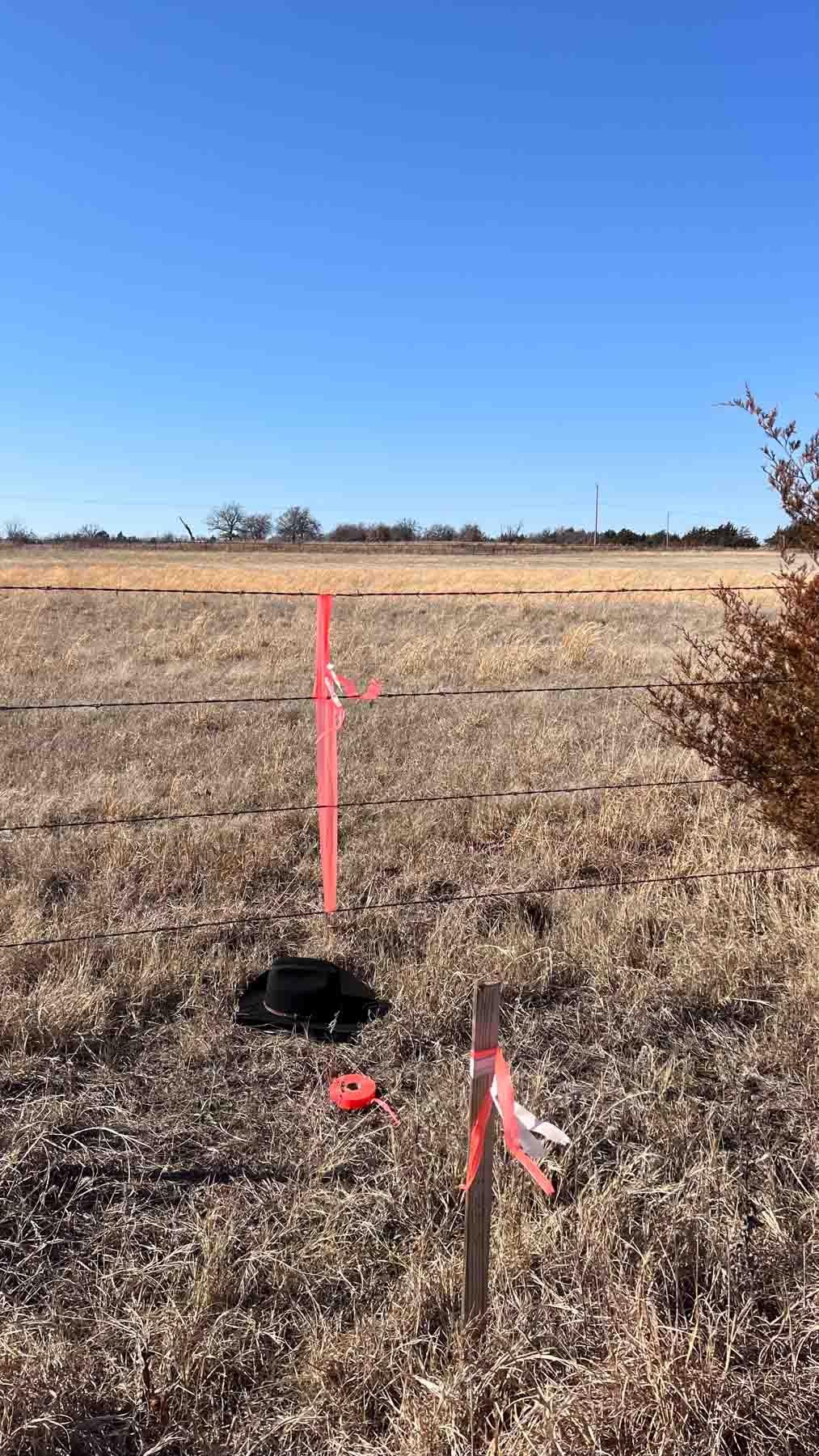
A fence is a physical feature. A boundary is a legal question.
Compare existing fences with survey information and recorded boundaries. Investigate gaps, encroachments, disputed areas, and uncertainty before relying on a fence line or a mapping-app outline.
Evaluate the fence itself
Inspect posts, braces, wire, gates, creek crossings, and areas hidden by brush. Check whether the fence suits your intended livestock. Get quotes for the actual scope of repair or replacement.
Clarify fence ownership and maintenance responsibilities rather than assuming every boundary cost will be shared.
Evaluate the layout
Cross-fencing may help organize grazing and animal movement, but it also requires planning around water, terrain, and handling facilities. A property can be fully fenced and still need significant changes.
Identify where gates and working areas should be before pricing the infrastructure you need.
Shape affects cost. Two tracts with equal acreage can have different fence lengths, access needs, and equipment efficiency. A long, narrow parcel may cost more to fence and operate than its acreage suggests.
Infrastructure that earns its place
Inspect barns, pens, shops, and the house for their actual use.
Existing improvements can save time and money when they are useful and in serviceable condition. They can also create repair or removal costs. Evaluate the function and condition rather than assigning value based on appearance alone.
| Improvement | Questions to investigate |
|---|---|
| Barns and shops | Structure, roof, electrical service, drainage, clearances, storage, and insurance. |
| Pens and handling facilities | Layout, condition, animal flow, loading access, and suitability for your livestock. |
| Water systems | Pumps, tanks, troughs, distribution lines, power, freeze protection, and maintenance. |
| Homes and living quarters | Condition, permits where relevant, septic, water, insurance, financing, and approved use. |
| Equipment and movable items | Ownership, condition, liens where relevant, and whether each item is included in the contract. |
| Roads and drainage structures | Access in wet weather, erosion, crossings, maintenance history, and repair estimates. |
A general home inspection may not cover agricultural improvements. Arrange the appropriate specialist reviews and define the inspection scope before assuming an item has been evaluated.
Building or living on the land
Check the homesite before choosing the house plan.
If you intend to build, evaluate the specific building location, driveway, utilities, wastewater system, drainage, and applicable restrictions. An attractive clearing does not establish a buildable or affordable site.
Utilities and connectivity
Confirm electric service and extension costs, water supply, septic or sewer options, gas or propane arrangements, and internet availability at the actual location. Ask providers for written estimates and requirements where available.
Restrictions and approvals
Check the governing jurisdiction, recorded covenants, easements, and requirements affecting houses, manufactured homes, shops, additional dwellings, or business uses. Being outside city limits does not mean every use is unrestricted.
Understand what comes with the deed
Minerals, easements, and existing agreements can change the purchase.
Land ownership is not always one simple bundle of rights. Review what the seller owns, what is being conveyed, and what rights other people or entities hold.
Surface and mineral interests
Surface and mineral ownership can be separated, as explained in OSU’s real-estate ownership guide. Do not assume minerals convey with the surface.
If minerals matter to the purchase, have a qualified attorney or land professional investigate ownership and the proposed conveyance. Ask what title work does and does not cover.
Oil, gas, and utility activity
Locate wells, pads, pipelines, utility corridors, access roads, and relevant agreements. Ask about operator access, maintenance, restoration, and how existing rights affect your use.
Have evidence of spills, dumping, abandoned equipment, or contamination assessed by the appropriate professional.
Grazing, hay, and crop arrangements
Request written leases and information about verbal arrangements. Confirm expiration, possession, payment, responsibilities, and rights to growing crops or stored hay.
Do not assume a sale automatically ends an existing arrangement. Have counsel address notice, termination, or assignment before closing.
Hunting and other agreements
Investigate hunting permissions, access arrangements, energy leases or options, and any other use granted to third parties. Clarify exclusivity, duration, payment, and obligations.
Your desired use should be compared with the actual documents, not just a verbal summary.
Check conservation commitments.
Ask about conservation easements, CRP enrollment, and other cost-share or program contracts. Review boundaries, permitted activities, remaining terms, transfer requirements, and potential repayment consequences with the responsible agency and your advisers.
Do not include future program income in your budget until eligibility and the applicable agreement have been confirmed.
Water on the land can also limit the land
Review flood risk, wetlands, erosion, and planned earthwork.
Use the FEMA flood map search as a starting point, then investigate actual drainage, local history, and access during high water. A tract outside mapped flood hazards can still have wet or difficult areas.
Before clearing, filling, draining, building crossings, or constructing a pond, ask qualified professionals and the relevant agencies what review or authorization is needed. Wetlands and floodplain are different issues.
NRCS wetland conservation guidance explains that certain alterations can affect USDA program eligibility. Other regulatory requirements may also apply. A map or agricultural use does not by itself establish that proposed work is exempt.

Buy the operation you can support
The land price is only part of the first-year budget.
Separate acquisition costs, improvements, and annual operating costs. A property with a lower asking price may require substantially more money before it can perform the job you bought it for.
Acquisition
Down payment or purchase cash, closing, lender fees, appraisal, survey, title work, inspections, and specialist reviews.
Getting ready
Fence, gates, water distribution, roads, clearing, building repairs, utility work, handling facilities, and necessary equipment.
Operating and holding
Debt payments, taxes, insurance, fuel, maintenance, feed, veterinary care, fertility, labor, utilities, and reserves appropriate to your plans.
Illustration: the purchase is not the finished budget.
A hypothetical $400,000 property with $10,000 of transaction and investigation costs, $25,000 of fence work, $15,000 of water improvements, and a $20,000 reserve represents a $470,000 total allocation. Those amounts are examples, not quotes. Financing changes the cash needed upfront; it does not make the other costs disappear.
Keep revenue and profit separate.
If you expect cattle, hay, crops, or lease income to help pay for the land, prepare an operation-specific budget. Include inputs, equipment, hired work, your time, and the costs that continue in a poor year.
OSU enterprise-budget guidance helps organize production costs and returns. Adapt assumptions to the property and your operation rather than copying a sample as a prediction.
Stress-test lower production, higher feed costs, loss of lease income, and an unexpected repair. Also ask your insurer about agricultural activities, outbuildings, equipment, visitors, and any leasing or recreational use.
Match the financing to the property
Talk to a land or agricultural lender early.
A residence on acreage, raw land, and a working agricultural operation may not fit the same loan. Explain the property, intended use, income sources, and planned improvements before assuming a residential preapproval applies.
Bank and agricultural lending
Ask about equity, amortization, maturity, rate adjustments, collateral, appraisal requirements, guarantees, prepayment terms, and how improvements are funded.
A longer amortization does not necessarily mean a longer loan maturity. Understand any balloon payment and the risk of needing to refinance.
USDA Farm Service Agency
FSA farm ownership loans and beginning farmer and rancher programs may be relevant for eligible applicants and operations.
These programs have their own requirements. Buying rural acreage alone does not establish eligibility; discuss your situation with the local FSA office.
Ask about cash after closing. A loan approval does not establish that you have enough money to stock, repair, equip, and operate the property. Keep working capital and an improvement reserve in the financing conversation.
Discuss agricultural valuation, any applicable exemptions, and ownership structure with the county assessor and your tax adviser. A listing labeled “farm” or “ranch” is not a determination of your tax treatment.
Make the showing useful
Walk the property like you already have to maintain it.
Look beyond the entrance
Inspect representative ground, perimeter areas, water sources, drainageways, improvements, and internal access. Where safe access is unavailable, identify what still needs investigation.
Bring a map and record questions by location. Mapping-app boundaries are approximate, so use them for orientation rather than a legal conclusion.
Ask operational questions
Where does water fail first? Which fence needs attention? Can a trailer turn around? What happens after heavy rain? Who has permission to use the land? Which improvements would you need immediately?
A useful showing leaves you with a clearer work list and budget—not just better photos.
Request the evidence
A farm and ranch due-diligence checklist.
Not every property has complete records. Track what is available, what remains uncertain, and which questions require professional investigation before your contract deadlines.
Ownership and access
- Legal description and all included parcels.
- Title documents, exceptions, and recorded restrictions.
- Available survey and needed boundary work.
- Access and road-maintenance agreements.
- Mineral reservations and relevant surface-use agreements.
Water and land condition
- Well records, tests, service information, and water-system details.
- Water permits and provider confirmations where applicable.
- Pond, dam, crossing, and drainage history.
- Soil tests, forage observations, and production records.
- Environmental concerns requiring follow-up.
Improvements and operations
- Fence and gate condition and repair estimates.
- Building inspections and utility information.
- Equipment and fixtures included or excluded.
- Grazing, hay, crop, hunting, and other agreements.
- Conservation contracts and maintenance commitments.
Budget and closing
- Lender terms, appraisal scope, and remaining conditions.
- Insurance quotes and applicable coverage.
- Property taxes and adviser-reviewed assumptions.
- Immediate work, operating budget, and reserves.
- Possession dates and handoff responsibilities.
From the first conversation to ownership
The farm and ranch buying process.
- Define the target. Establish use, budget, location, acreage needs, experience, and the work you are prepared to take on.
- Screen the properties. Review maps, access, water, improvements, restrictions, and preliminary costs before spending heavily on reports.
- Walk and compare. Look at the land’s function, not just its appearance. Identify unanswered questions and the specialists needed.
- Structure the offer. Address inspections, financing, title, survey matters, included property, existing agreements, and possession.
- Complete due diligence. Coordinate records, provider responses, inspections, estimates, and professional advice within the contract timeline.
- Resolve the findings. Decide whether to proceed, negotiate, or use available contractual rights. Notice and termination requirements matter.
- Close with a handoff plan. Confirm documents, funds, access, utilities, equipment, livestock or crop arrangements, and any remaining responsibilities.
Be specific about possession.
If livestock, crops, hay, equipment, or a tenant remain after closing, define the arrangement in writing. Clarify dates, access, insurance, maintenance, and responsibility for damage with the appropriate advisers.
Ownership begins after closing
Make a first-season plan before adding more projects.
Prioritize safe containment, reliable water, access, and essential repairs. Keep records of maintenance, rainfall observations, forage condition, and actual costs. Build a realistic schedule for checking the property if you do not live there.
Before changing stocking levels, clearing large areas, or installing major improvements, get local advice and compare the cost with your goals. Some improvements pay through convenience or enjoyment rather than income. Be clear about which result you expect.
Revisit the plan after experiencing the property through different conditions. A deliberate first year can be more useful than immediately spending the entire improvement budget.
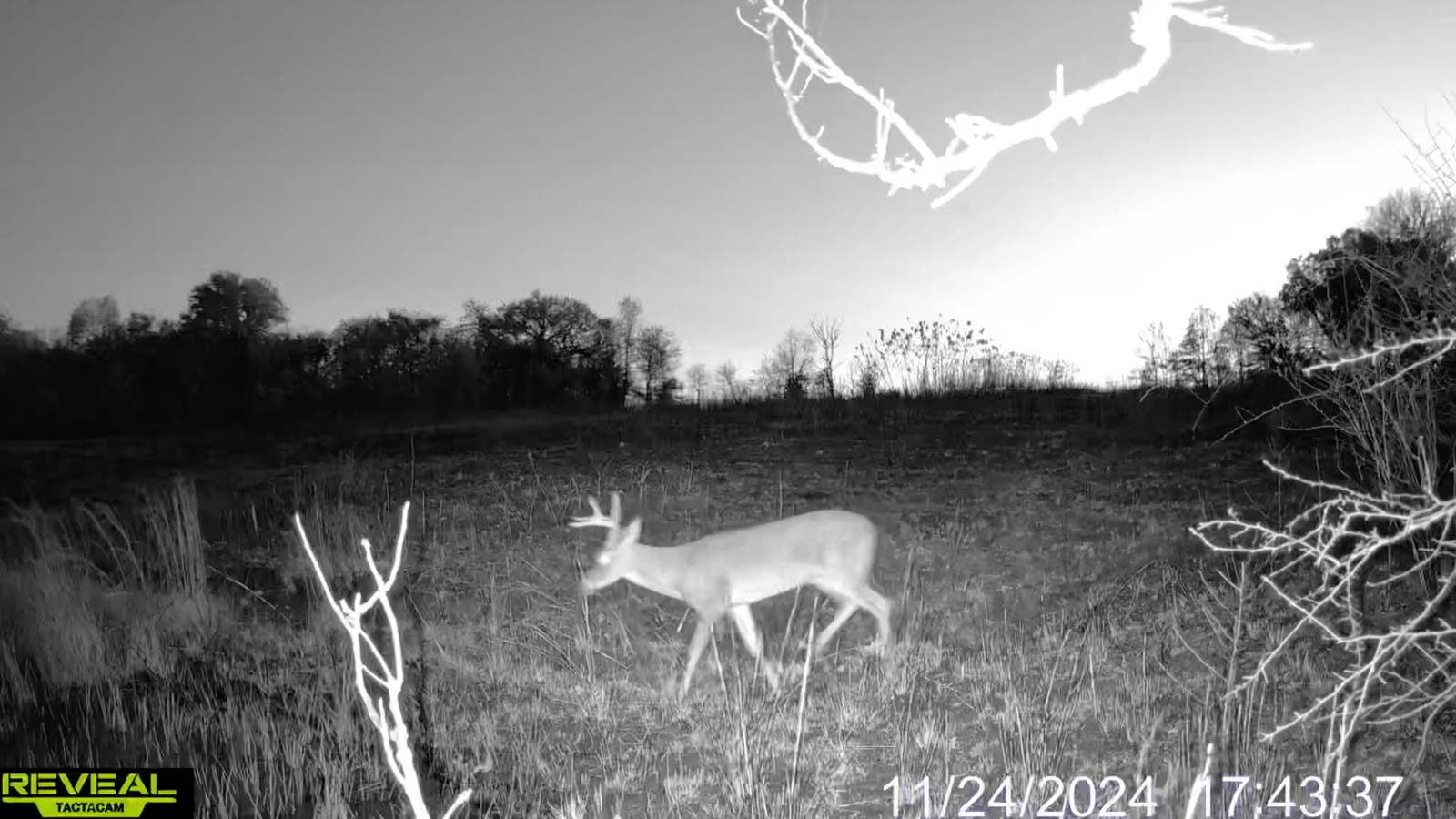
Questions worth asking before you buy
Oklahoma farm and ranch buying FAQs.
How many acres do I need for cattle?
There is no reliable statewide acres-per-head answer. Usable forage, rainfall, animal size, grazing period, water, and management all matter. Have the specific property evaluated and build a conservative plan that includes dry-year options.
Does a pond mean the ranch has enough water?
No. Investigate seasonal reliability, depth, condition, quality, distribution, and intended demand. Consider a backup supply and verify applicable water-use requirements.
Is rural water the same as a livestock water supply?
Not necessarily. Ask the provider about your actual demand, service capacity, permitted use, meter requirements, and costs. A residential connection or nearby main does not establish suitability for your operation.
Do mineral rights automatically come with the land?
No. Surface and mineral ownership can be separated. Confirm what the seller owns and what the contract conveys, and use qualified assistance if mineral ownership is material to the purchase.
Can I rely on an existing fence as the boundary?
Not by itself. Compare fences with survey and title information and investigate uncertainty. A property app, aerial image, or fence line does not establish the legal boundary.
Does buying the land end the current grazing lease?
Do not assume it does. Review written and verbal arrangements with counsel and address possession, notice, termination, or assignment before closing.
Can I build a home, barndominium, or second residence?
That depends on the tract, restrictions, jurisdiction, access, utilities, and wastewater options. Verify the specific plan before treating future construction as an available feature.
Should I buy improved land or a property that needs work?
Compare total cost, timing, and risk. Existing fence, water, and buildings can be valuable when they fit your needs. Unimproved or neglected land may offer flexibility, but only if the work is feasible and the budget is realistic.
Can farm income cover the land payment?
Sometimes, but it should be tested with realistic production, prices, operating costs, and debt terms. Gross sales are not profit. Include poor-year scenarios and avoid relying on unverified lease or program income.
Can I buy a farm or ranch as a first-time landowner?
Yes, but start with a plan matched to your experience, cash, and available time. Local Extension, lenders, contractors, and other specialists can help you evaluate the workload before buying.
What should I send you to start the search?
Your preferred locations, budget, acreage range, intended use, water and improvement needs, and timeline. Tell me whether you need a residence, financing, or income from the property, and send any listings you are considering.
Corbett Campbell · OUR OK Realty
Let’s find land that makes sense for the way you want to use it.
I own land, buy land, and work with buyers and sellers who care about what a property can actually do. My approach is hands-on: look at the land, ask practical questions, and work through the details before making a commitment.
I can help you compare opportunities, organize the research, negotiate, and coordinate the transaction. When a question calls for a surveyor, attorney, lender, grazing specialist, or other professional, we identify that need instead of guessing.
Send me your goals or a property you are considering. We can start with what fits, what needs verification, and the next steps.
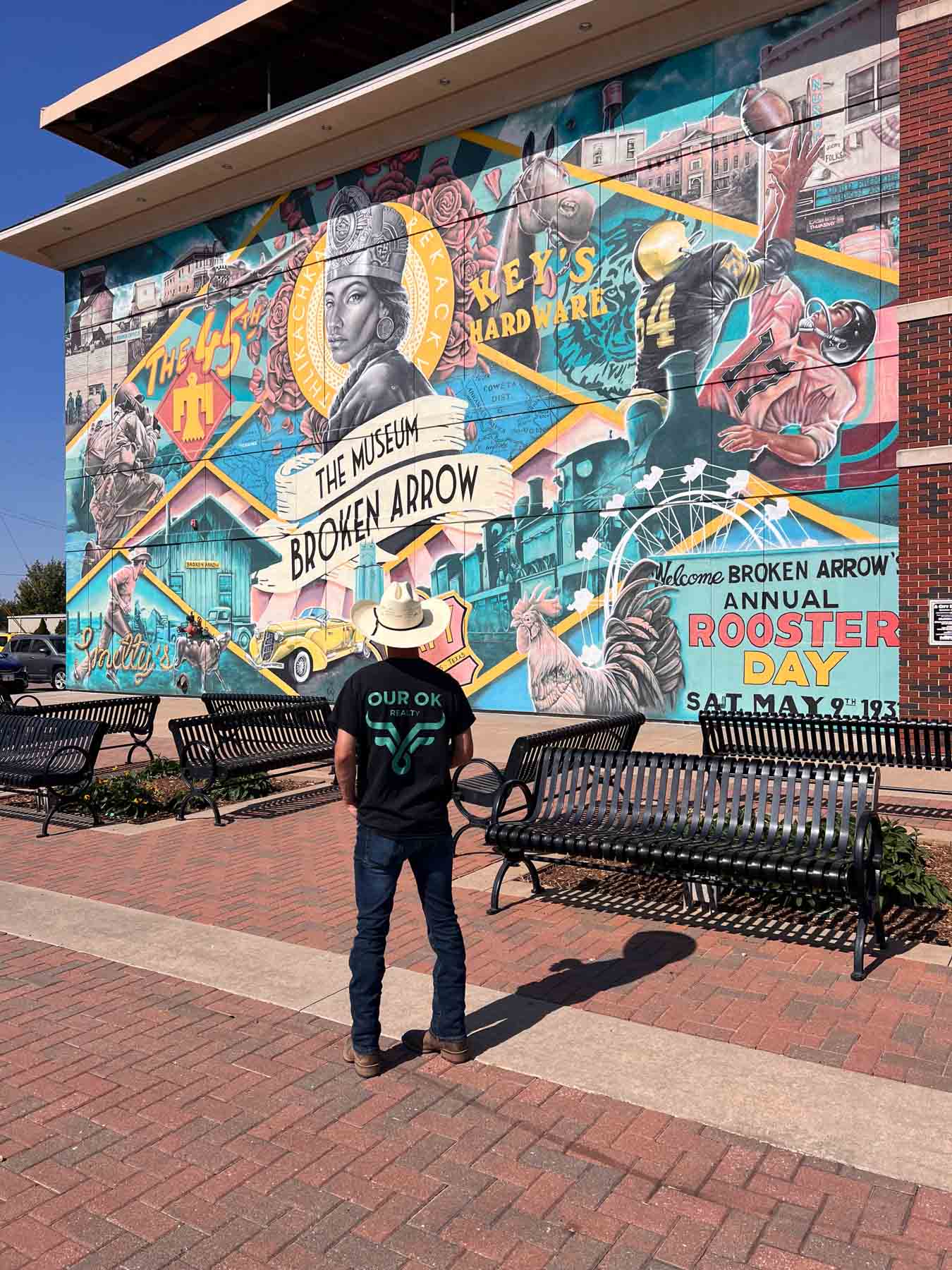
Keep researching
More Oklahoma land-buying guides.
- Buying land in Oklahoma
- Confirming legal access
- Checking rural water availability
- Checking electric availability
- Confirming utilities
- Checking buildability
- Checking septic and sewer
- Checking internet and cell service
- Understanding utility easements
- Checking gas and propane options
- Buying a home
- Explore the areas I serve
Useful primary resources
Research tools for farm and ranch buyers.
- NRCS Web Soil Survey
- OWRB water-use guidance
- OSU stocking-rate guidance
- OSU pond management
- OSU farm enterprise budgets
- FSA farm ownership financing
- FSA Conservation Reserve Program
- FEMA flood map search
Resources reviewed October 15, 2026. This guide provides general buying information; property-specific legal, tax, engineering, agricultural, environmental, and financing questions require the appropriate professional review. Photos illustrate the guide and do not establish current listing availability.