
Broken Arrow, Oklahoma · First-home buyer guide
Starter Homes for Sale in Broken Arrow, Oklahoma
Your first home should fit the life you actually live—and leave room for the life you’re building.
Start with the available homes above. Then use this guide to compare Broken Arrow neighborhoods, everyday conveniences, commute routes, parks, future trail connections, and the costs that do not show up in listing photos.
I’m Corbett Campbell with OUR OK Realty. I grew up in the Broken Arrow area, and I help buyers look beyond the finishes to understand the property, the location, and the opportunity.
Local resources reviewed October 13, 2026. Listings, program terms, construction schedules, and school assignments can change.
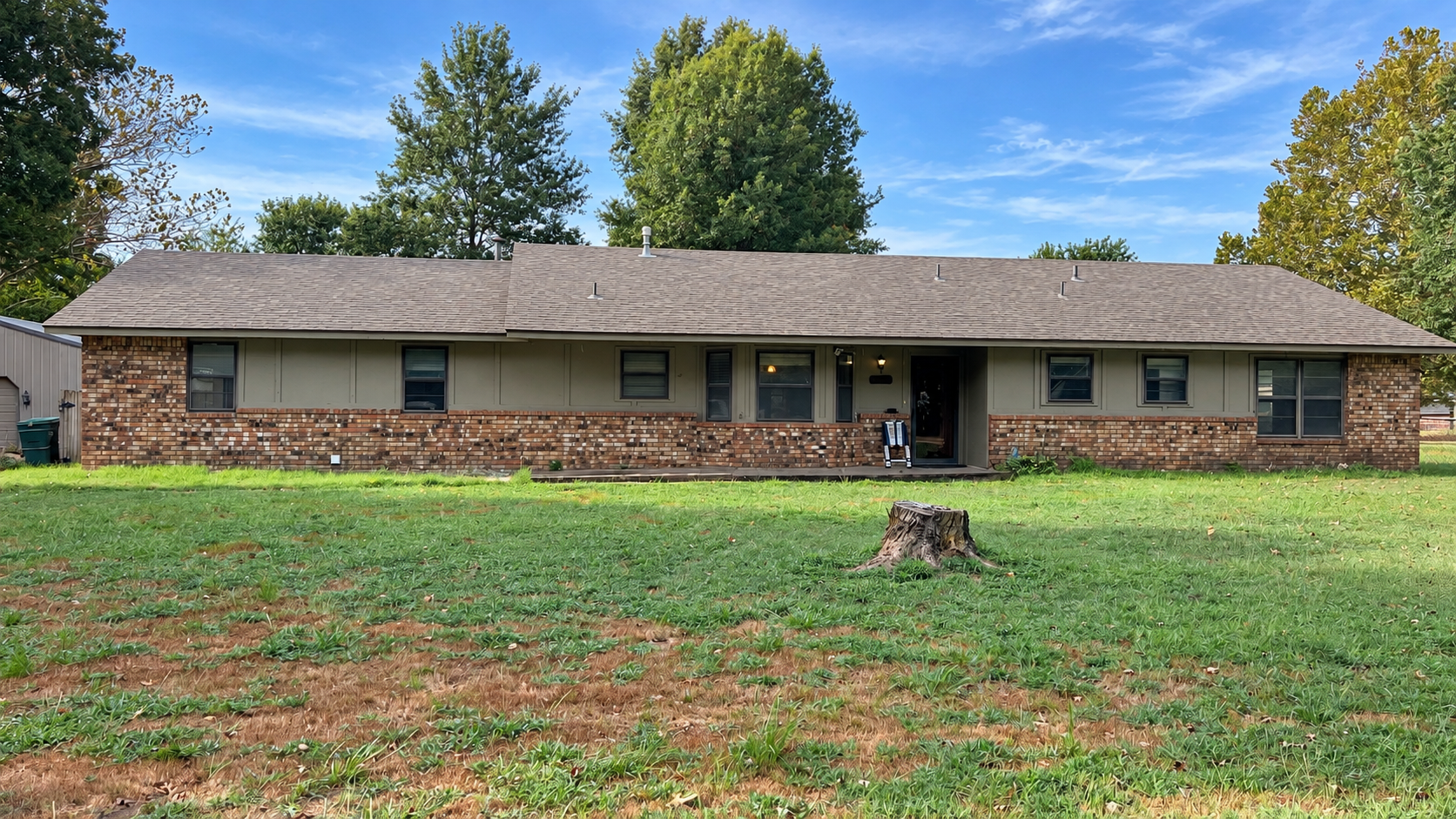
Start with the right definition
A starter home is a comfortable starting point—not a particular price tag.
A useful starter home has a manageable payment, a workable layout, and maintenance you can realistically handle. That might be an established three-bedroom house, a smaller newer home, a patio home, or a property with cosmetic work you can do gradually.
Broken Arrow gives you different ways to approach that search. Central neighborhoods offer established streets near downtown. Other pockets put you closer to major roads, recreation facilities, or newer construction. The right choice starts with your daily routine rather than a neighborhood’s reputation.
Payment first
Set a comfortable total housing budget before choosing a maximum listing price. Taxes, insurance, utilities, dues, and repairs belong in that conversation.
Location in real life
Test the grocery run, work commute, and route to the places you use. A nearby destination is only convenient if getting there works for you.
Condition over cosmetics
Compare the roof, drainage, major systems, and repair estimates before letting fresh paint or dated cabinets make the decision.
Where to begin your search
Broken Arrow neighborhoods and areas to compare.
These are starting points for a search, not a ranking or a promise of available homes in your budget. Prices and condition vary within each area. Search by the actual address, and compare recent sales of similar homes before deciding whether a listing represents value.
Original Town & the Rose District area
Explore it for: proximity to downtown restaurants, local businesses, and the Main Street setting.
Older homes and infill can offer very different ownership experiences on nearby blocks. A modest house near downtown is not automatically inexpensive, and a downtown address does not guarantee an uninterrupted sidewalk route.
Compare carefully: parking, additions, storage, street activity, and the condition of older plumbing and electrical systems. Walk the actual route to Main Street and check crossings rather than judging distance on a map.
Country Aire & nearby west-side streets
Explore it for: an established neighborhood search with access to the Kenosha/Aspen area for everyday errands.
Use Country Aire Park at 100 N. Fir Avenue as one geographic reference, then compare individual streets and routes from each house.
Compare carefully: updated systems versus cosmetic remodeling, traffic exposure, and covenants. The Country Aire homeowners association identifies phases I–VI; confirm the documents and obligations that apply to the specific property.
Vandever neighborhoods & New Orleans Square
Explore it for: established residential streets with shopping and services around Elm Place and New Orleans Street.
New Orleans Square is a useful errands anchor. Vandever Park is another reference point when comparing nearby homes.
Compare carefully: the exact subdivision, not just “Vandever” in a listing. Vandever Trails has its own association; do not assume similarly named neighborhoods share its rules. Test major-road crossings and the route from the driveway to your daily destinations.
Leisure Park & surrounding residential streets
Explore it for: a park-centered search in established portions of Broken Arrow.
Leisure Park at 801 W. Charleston Street gives you a concrete place to start mapping nearby listings. Compare the route to the park, your grocery store, and your preferred commute corridor.
Compare carefully: drainage, garage space, previous renovations, and sidewalk continuity. Two homes with similar square footage can feel very different when one has a more usable layout or fewer immediate repairs.
Wolf Creek & nearby southwest neighborhoods
Explore it for: homes near the Wolf Creek Park area and routes serving the southwest side of town.
Wolf Creek Park at 2501 W. Fulton Street is one recreation reference. Use actual drive routes to compare access to shopping and the Creek Turnpike.
Compare carefully: arterial-road noise, driveway access, recurring dues, and the difference between being near a trail and having a usable entrance to it. Check any relevant trail closure before relying on that connection.
North Broken Arrow, Nienhuis & the Battle Creek area
Explore it for: routes toward the BA Expressway and recreation around Nienhuis Park Community Center.
Battle Creek adds another location to compare, especially when golf is a personal priority. Neither a neighborhood name nor golf-course proximity makes a home a starter-budget fit.
Compare carefully: total payment, association documents, course-related activity, and whether any advertised amenities require separate fees. Compare nearby alternatives rather than paying a premium for a feature you will rarely use.
South Broken Arrow & the Ray Harral area
Explore it for: access to southern recreation destinations, including Ray Harral Nature Park and Indian Springs Sports Complex.
Search the surrounding homes by budget and condition. A location near a large park may be appealing without being within practical walking distance.
Compare carefully: drive time to work, the route to groceries, yard upkeep, and access to the turnpike. Public sports facilities and private club amenities are different things; verify what you can actually use.
East Broken Arrow & newer subdivisions
Explore it for: additional options when newer construction or a different floor plan matters more than downtown proximity.
Compare a builder’s available homes with existing resale homes using the full cost of ownership. Newer does not automatically mean less expensive or free of maintenance.
Compare carefully: commute routes, completed sidewalks, future adjacent construction, lot grading, fencing, window coverings, and HOA obligations. Confirm the city jurisdiction, county, and school assignment for the address rather than relying on the mailing address.
My approach: choose two or three areas that fit your routine, then compare actual houses across them. That gives you a better decision than declaring one neighborhood “the best” before you know the payment, condition, or available inventory.
The places between home and work
Compare amenities you will actually use.
Build a short list of recurring destinations: groceries, pharmacy, medical appointments, recreation, and the people or places you visit most. Then test those trips from each finalist.
| Destination | Why it may matter | What to check from the home |
|---|---|---|
| Rose District / Main Street | Downtown dining, businesses, and outings. | Actual walking route, crossings, evening activity, and parking. |
| New Orleans Square | An errands reference at Elm and New Orleans. | Turns at busy intersections and whether trips require a car. |
| Nienhuis recreation area | Community-center activities and nearby recreation. | Program availability, seasonal facilities, fees, and transportation. |
| Ray Harral Nature Park | Nature trails and outdoor time. | Trail surface and grade; a nature trail is not necessarily a step-free route. |
| Neighborhood parks | A nearby place to spend time outdoors. | Entrances, sidewalks, crossings, shade, and the amenities you want. |
Use the city’s park locator to check the individual park rather than assuming every park has the same facilities. The local outdoor recreation directory also provides location references for Vandever, Leisure, and other parks.
Walking, biking & what comes next
What the 2026 bond package means for your home search.
Broken Arrow voters approved a $415 million bond package on April 7, 2026. The city’s project list includes $5 million for trail connectivity and $5 million for sidewalk connectivity.
Those investments are worth following if you want more options for walking or biking. They are not a promise that a particular street will receive a path, a protected bike lane, or a connection by the time you move in.
Approved funding
Future connections
Look for a published project map and schedule before treating an improvement as part of a home’s everyday convenience. Approval, design, construction, and opening are separate milestones.
Existing route
Liberty Parkway Trail
The city lists a 9.5-mile trail. A September 24, 2026 update described retaining-wall repairs between Aspen and Elm. Check the trail page and current notices before planning a through trip.
Separate project
1st Place connections
The same September update described pedestrian-bridge work associated with the 1st Place Waterline and Trail Project. That progress report is not confirmation that the route is open, or that it is funded by the new bond package.
Take a five-point route test.
- Is there a continuous sidewalk or shared-use path from the house?
- Where do you cross the busiest road, and is that crossing practical for you?
- Is the trail entrance accessible, or is there a fence, ditch, or missing connection?
- Do grades, curb ramps, lighting, and pavement condition fit your needs?
- Is the route open today, with a usable alternative during construction?
Check the city’s traffic and construction notices. Buy based on what works today; treat a future improvement as an additional possibility, not guaranteed appreciation.
Accessibility in everyday terms
Test the commute, the crossing, and the front door.
Driving & recurring trips
The BA Expressway/Highway 51, US-169, and Creek Turnpike are useful reference corridors. Your actual commute depends on the route from the driveway, the interchange, congestion, and your destination.
Drive the route at the time you expect to use it. If the turnpike is part of your routine, include tolls in your budget. Check grocery and medical trips too; work is only one part of your week.
Transit availability
MetroLink’s Broken Arrow Transit service is an on-demand service within a defined zone, with published weekday hours of 7 a.m.–6 p.m.
Confirm both ends of your trip are covered, along with current booking rules and accessible-vehicle arrangements. Do not assume every Broken Arrow address has coverage or that the service replaces a car for evening and weekend trips.
Physical access to the home
A one-story house is not automatically accessible. Check the garage entry, exterior steps, threshold heights, doorway widths, bathroom clearances, and driveway slope against your specific needs.
If changes are necessary, get a qualified assessment and cost estimate before relying on a future ramp, bathroom remodel, or widened doorway.
School assignment
A Broken Arrow mailing address does not establish a particular school assignment. Use the address and the district’s official enrollment and boundary resources, then confirm the current school year directly.
Evaluate programs, transportation, and daily logistics that matter to you. A listing description or an old map should not be your final source.
Afford the home after closing, too
Compare the total monthly cost—not just the asking price.
A lower-priced home can cost more to own if it needs an immediate roof, has high insurance costs, or adds a difficult commute. Set a comfortable payment with a lender, then keep a separate repair reserve.
| Expense | What to request | Common comparison mistake |
|---|---|---|
| Principal & interest | A loan estimate using the property price and your actual financing assumptions. | Comparing advertisements with different down payments, points, or loan terms. |
| Property taxes | An address-specific estimate that accounts for your purchase and circumstances. | Assuming the seller’s tax bill will be yours. |
| Homeowners insurance | A quote for the specific home, roof, and coverage, including wind/hail deductibles. | Relying only on a generic website payment estimate. |
| Mortgage insurance & HOA | Applicable mortgage insurance, dues, and any known assessments. | Leaving recurring charges out of the payment comparison. |
| Utilities & maintenance | Available utility history, system ages, and a realistic upkeep allowance. | Spending every available dollar on the loan payment. |
| Cash needed upfront | Closing costs, prepaid items, inspections, moving, and immediate repairs. | Treating the down payment as the entire cash requirement. |
The Consumer Financial Protection Bureau’s Loan Estimate guide explains how to compare lender estimates. Ask for clarification on anything that changes between quotes, especially points, lender credits, cash to close, and temporary payment reductions.
Ask about Oklahoma down-payment assistance.
OHFA’s homebuyer program is one resource to discuss with a participating lender. Its published assistance is 3.5% of the total loan amount, subject to program and borrower requirements.
Read the current repayment terms: OHFA describes the assistance as a repayable second lien, with repayment triggers that can include selling or refinancing. Ask how assistance changes your rate, closing costs, and future obligations before choosing it.
Look past the listing photos
What deserves a closer look before you commit.
An inspection, specialist evaluation, and written repair estimate answer different questions. Use the findings to understand the property and negotiate intelligently. An appraisal does not replace a home inspection.
Roof & insurance
Ask about age, repairs, leaks, and documentation. Get an insurance quote early enough to understand coverage conditions and deductibles before your contractual deadlines.
Drainage & movement
Look at grading, downspouts, standing water, cracks, and doors that do not operate properly. Have concerning findings evaluated; a photo cannot establish the cause or cost.
Heating & cooling
Compare system ages, maintenance records, performance, and replacement estimates when needed. Several aging systems can make a superficially inexpensive home costly.
Plumbing & sewer
Ask about leaks, pipe materials, and drainage history. Discuss whether a sewer scope is appropriate, particularly when condition or service-line history is uncertain.
Electrical & renovations
Have concerns with panels, wiring, or added rooms evaluated. Ask for available permits, contractor records, and details about who completed significant changes.
Lot, restrictions & use
Review boundaries, easements, flood information, HOA documents, and any restrictions affecting your plans. Verify a shop, addition, rental plan, or business use before counting on it.
Choose the work you want to take on
Move-in ready, light fixer, or new construction?
Move-in ready
Useful when your time and repair budget are limited. Still inspect it: attractive finishes do not establish the condition of hidden systems.
Ask: which major components were replaced, when, and with what documentation?
Light cosmetic fixer
Paint, fixtures, and flooring can be updated gradually. Make sure the project is genuinely cosmetic before treating it as an easy opportunity.
Ask: can I live comfortably here while making improvements, and have I priced the work?
New construction
Compare the completed home, lot, warranties, financing terms, and included features. Budget for items such as fencing or blinds if they are excluded.
Ask: what is the final cost, what remains unfinished nearby, and what inspections should I arrange?
For any option, consider your likely ownership timeline. Improvements do not guarantee dollar-for-dollar resale returns, and selling has costs. A practical layout, manageable upkeep, and a location that works for you are useful foundations for the decision.
A real Broken Arrow purchase
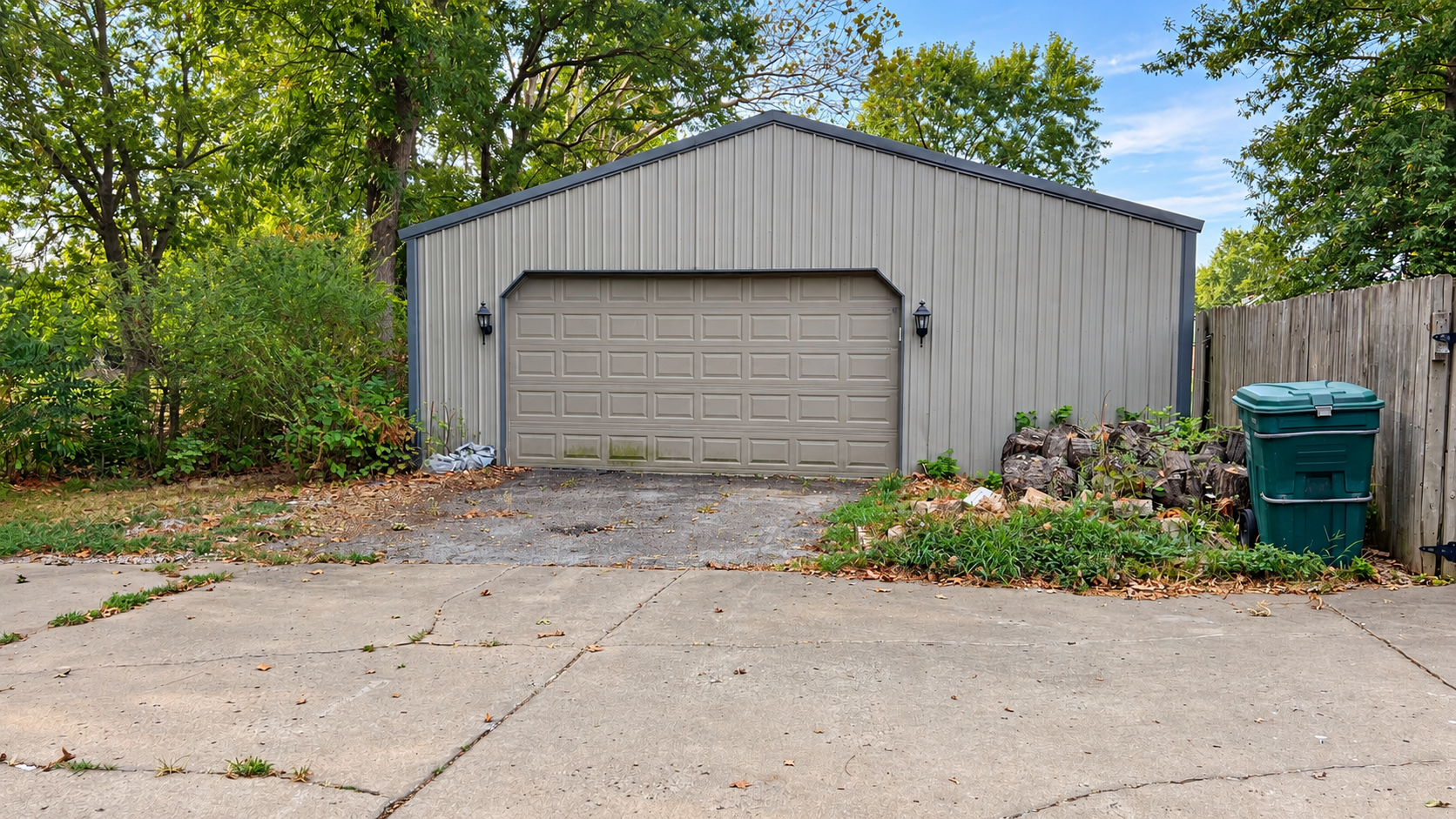
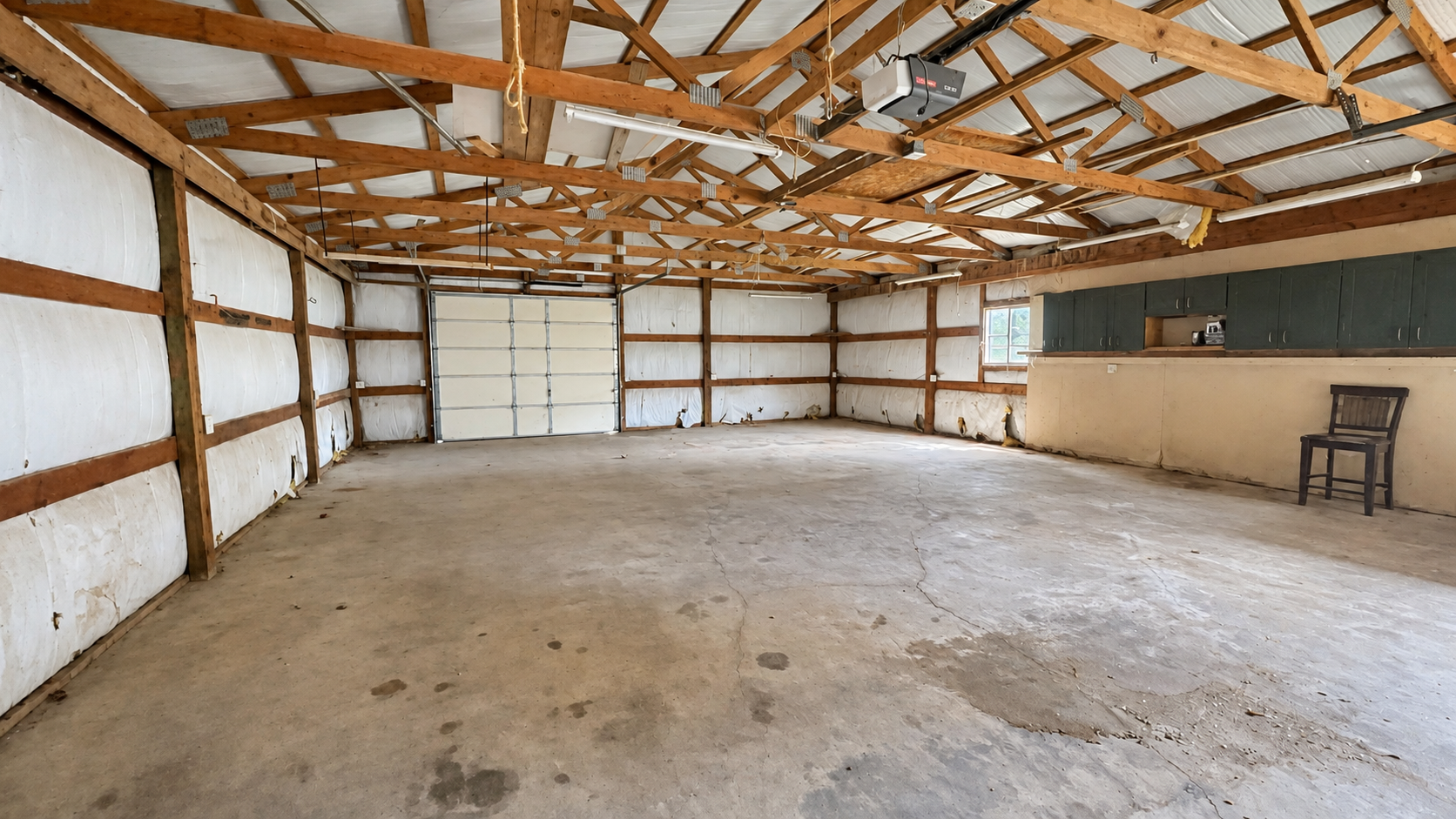
The shop barely appeared in the listing. It mattered to the buyer.
I represented a buyer on a Broken Arrow home initially listed at $282,000. We negotiated a purchase price of $235,000: $47,000 below the asking price.
The property had three bedrooms, two bathrooms, approximately 2,000 square feet, and about an acre. It also needed repairs. The initial marketing included a blurry exterior photo and did little to explain the shop.
The opportunity came from investigating what was there and evaluating the work—not assuming weak photos meant a weak property. This was one transaction; the asking-price reduction is not an appraisal discount or a promise of results for another buyer.
Make each showing count
A practical plan from search to closing.
- Set the budget. Discuss financing, cash to close, insurance, and repair reserves before making the search too broad.
- Choose your priorities. Separate essentials from preferences: payment, commute, physical access, bedrooms, parking, yard, or project tolerance.
- Compare a focused shortlist. Use the listings above to compare condition, location, layout, and total cost. Days on market and price reductions are questions to investigate, not proof of a bargain.
- Visit and document. Take notes on each home immediately. Check routes and surroundings at different times when practical.
- Evaluate the offer. Review comparable sales, property condition, financing, contingencies, and deadlines before negotiating.
- Complete due diligence. Coordinate inspections, specialist follow-up, insurance, title review, and lender requirements. Resolve material questions before relevant deadlines.
- Prepare for ownership. Review closing figures, arrange utilities, complete the final walkthrough, and prioritize maintenance after moving in.
Save these six questions for every showing.
What is the complete monthly cost? What needs attention in the first year? Does the layout work? Can I comfortably make my recurring trips? What restrictions affect my plans? What would make this house harder for me to sell later?
Questions worth asking
Broken Arrow starter-home FAQs.
What price range counts as a starter home in Broken Arrow?
There is no official starter-home price bracket. Begin with your comfortable total payment and available cash, then compare current inventory. A search filter alone cannot tell you whether a home is affordable after insurance, taxes, and repairs.
Which Broken Arrow neighborhood should I start with?
Start with your recurring destinations and maintenance preferences. Compare a few actual listings in areas such as Country Aire, Vandever, the Rose District surroundings, or other locations that fit your route and budget. There is no single neighborhood that works best for every buyer.
Can I find a home near downtown that needs updates?
Search current inventory around Original Town and the Rose District, but do not assume an older home will be inexpensive. Compare condition, lot, parking, renovations, and recent similar sales. Price the necessary work before deciding the opportunity is worthwhile.
Will the new bond package add a bike path near my house?
The approved package includes trail and sidewalk connectivity funding. That does not establish a route or completion date for an individual address. Look for a city project map and current schedule, and verify existing access separately.
Should I buy a house with an older roof?
Evaluate the roof’s condition, an insurance quote, and potential replacement costs before deciding. Age is one factor, but coverage terms, damage, remaining service life, financing, and your cash reserves also matter.
Are builder incentives always a better deal?
Compare the entire transaction. A credit or temporary payment reduction may be useful, but the home price, permanent payment, lender terms, included features, and cash to close all affect value. Request estimates that let you compare the alternatives fairly.
Can I negotiate on a home under $300,000?
Yes, negotiation is possible at different price points, but results depend on the listing, competing interest, condition, comparable sales, and seller priorities. My local example above shows one result; it does not establish an expected discount.
Can you help if I am still deciding whether to buy?
Yes. We can start with your priorities, preferred areas, and the questions holding you back. A useful first conversation can help you decide what to research next, even before you are ready to tour homes.

Corbett Campbell · OUR OK Realty
Let’s find the right starting point in Broken Arrow.
I have lived in the Broken Arrow area my entire life. My involvement with the Broken Arrow Chamber, Rotary, and local planning conversations keeps me connected to the community I serve.
For your home search, that means taking time to understand your goals, compare locations, investigate the details, and communicate clearly. I want you to know why a home fits—not just whether you can make an offer.
Tell me your comfortable budget, ideal timing, commute destination, and the features you need. We can build a focused shortlist and work through the tradeoffs together.
Keep exploring
More Broken Arrow real estate resources.
Homes & buying guides
Land & commercial property
Check the details at the source
Useful local resources.
Use these resources to confirm details for an individual property. This guide combines local experience with the linked public information; it does not establish availability, school assignment, loan eligibility, or project completion for any address.
- 2026 bond projects
- Traffic and construction notices
- City park locator
- Liberty Parkway Trail
- MetroLink service information
- Broken Arrow school boundary resources
- OHFA homebuyer assistance
- Understanding a Loan Estimate
Research reviewed October 13, 2026. Confirm current information with the responsible agency, district, lender, or service provider.